How to Prune Cocoplum?
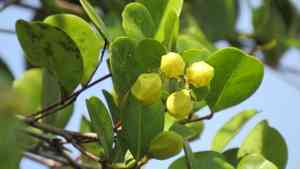
This perennial woody plant, whether a shrub or a small tree, is recognized for its lustrous foliage and palatable fruit. To ensure peak vitality, cocoplum thrives with judicious thinning to improve airflow and light exposure. Eliminate any deceased or frail branches in early spring, prior to the emergence of new shoots. Thoughtful trimming also manages its dimensions and fosters a denser growth habit. Refrain from severe cutting, as this could diminish fruit yield. Consistent pruning preserves cocoplum's inherent form and encourages lush leaves and abundant fruit development.
What Are the Benefits of Pruning Cocoplum?
What Are the Benefits of Pruning Cocoplum?
Trimming cocoplum promotes a more plentiful harvest and robust development. Strategic cutting back keeps cocoplum neatly formed, enhancing overall health and visual appeal.
What Is the Best Time for Pruning Cocoplum?
What Is the Best Time for Pruning Cocoplum?
Early spring is considered ideal for pruning cocoplum, as it coincides with the period just before the plant's active growth phase begins. During this time, cocoplum is emerging from its winter dormancy, which minimizes stress and allows for strong recovery and growth. Pruning in early spring encourages healthy development while reducing the risk of disease and pest infestation that might occur with late-season pruning. Furthermore, it aids in shaping the mature plant, stimulating new growth, and boosting fruit production. It's best to prune after the last frost but before cocoplum forms new buds, ensuring the plant's energy is directed towards healing and new growth, rather than supporting branches that will be removed.
What Tools Do I Need to Prune Cocoplum?
Hand Pruners
Perfect for making precise cuts on small branches and twigs of cocoplum, helping maintain its form and encourage healthy development.
Loppers
Excellent for cutting through thicker branches that hand pruners cannot manage, enabling gardeners to shape cocoplum and control its dimensions effectively.
Pruning Saw
Crucial for removing any larger branches from cocoplum that loppers cannot safely or cleanly cut through.
Hedge Shears
Useful for shaping cocoplum when it is grown as a hedge or for creating formal designs, allowing for even and quick trimming of foliage.
Gloves
To safeguard the gardener's hands from thorns and rough branches while pruning cocoplum.
Pruning Sealer
To apply to large cuts on cocoplum for protection against pests and diseases after pruning.
How to Prune Cocoplum
Step1: Tool Sanitization
Sanitize your tools. Clean your pruning shears with a solution of 1 part bleach to 9 parts water to prevent the spread of disease.
Step2: Damaged Branch Identification
Identify damaged parts of cocoplum. Look for branches that are broken, split, or otherwise physically damaged. These are always the first to be removed.
Step3: Angled Cutting Technique
Make angled cuts to remove the damaged parts. Cut at a 45-degree angle about 1/4 inch above a bud facing the outside of the plant. This encourages water to run off the cut and promotes healthy outward growth.
Step4: Old Wood Detection
Locate old wood on cocoplum. This is typically characterized by a darker color, rough texture, or lack of new growth at the tips. Pruning this old wood rejuvenates the plant.
Step5: Old Wood Pruning
Prune the old wood at its point of origin or to a strong outward-facing bud, ensuring cuts are smooth to facilitate rapid healing.
Step6: Disease Inspection
Inspect cocoplum for any signs of diseased branches, such as discoloration, unusual growths, or a sticky substance on the bark. Confirm the disease with a reputable horticultural source if necessary.
Step7: Diseased Branch Removal
Prune diseased branches well below the affected area. If the entire branch is diseased, remove it entirely from the plant to prevent further contamination.
Step8: Weak Shoot Identification
Examine cocoplum for weak shoots, which are often slender, grow inwards, or fail to produce foliage and blooms. These compete with stronger branches for nutrients and sunlight.
Step9: Weak Shoot Removal
Snip weak shoots at their base if they don't contribute to the desired shape or health of the plant. This directs energy to the development of healthier, more vigorous parts of cocoplum.
Step10: Thinning for Air and Light
Thin dense areas to improve air circulation and light penetration. Make selective cuts to open up the plant's canopy, taking care not to remove more than one-third of the plant's growth.
Step11: Plant Shaping
Shape cocoplum if desired, by pruning longer branches to maintain a balanced, pleasing aesthetic. Use hand pruners for finer shaping and loppers for thicker branches.
Step12: Pruning Debris Disposal
Collect and dispose of all pruned material, especially if it includes diseased wood, to prevent any pathogens from spreading in your garden.
Post-Pruning Care for Cocoplum
Post-Pruning Care for Cocoplum
Immediately after pruning cocoplum, water thoroughly to reduce stress. Ensure cocoplum receives dappled sunlight, avoiding harsh direct sun. Maintain humidity around cocoplum, but not overly damp conditions. Adjust temperatures to a moderate level, mimicking cocoplum's natural tropical environment. Apply a balanced fertilizer to provide essential nutrients for recovery. Monitor cocoplum for wilted leaves or unusual discoloration as signs of distress. If infection signs appear, treat cocoplum with an appropriate fungicide or insecticide. Regularly inspect pruned areas for healing progress.
Common Pruning Mistakes with Cocoplum
Avoid Over-Pruning cocoplum
Excessive pruning, which can lead to stress and stunted growth in cocoplum.
Use Clean, Sharp Tools on cocoplum
Employing dull or unclean pruning tools, potentially causing damage and introducing diseases to cocoplum.
Understand cocoplum's Growth Before Pruning
Trimming without understanding the growth pattern of cocoplum, resulting in excessive removal of new growth which can harbor flowers and fruit.
Common Pruning Tips for Cocoplum
Make Clean Cuts with Sharp Shears on cocoplum
Use sharp, clean pruning shears to make precise cuts on cocoplum, which help prevent disease and encourage quicker healing.
Prioritize Dead Branches in cocoplum Pruning
When pruning cocoplum, focus on removing dead or diseased branches first to maintain plant health and vigor.
Maintain cocoplum Size Wisely with Moderate Trimming
Trim cocoplum's branches to shape the plant and maintain its desired size, but avoid heavy cutting back of more than one-third of the plant in a single season.



