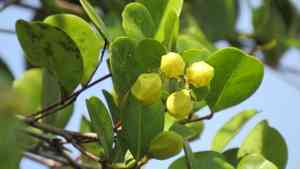
Cocoplum (Chrysobalanus icaco)
Also known as: Icaco, Coco plum
Cocoplum (Chrysobalanus icaco), a plant native to South Florida, produces several edible parts:
1. **Fruits**: The plum-like fruits can be enjoyed fresh or used to prepare jams, jellies, and desserts due to their mildly sweet taste.
2. **Flowers**: Small white flowers can be turned into jelly, adding a unique flavor to your culinary creations.
3. **Seeds**: Once the hard shells are removed, the seeds can be roasted and eaten or incorporated into various recipes as a crunchy element.
In This Article
Attributes of Cocoplum
Lifespan
Perennial
Plant Type
Shrub
Plant Height
3.5 m to 11 m
Spread
2 m
Leaf Color
Green Red
Flower Size
2.5 cm
Flower Color
White Green Yellow
Images of Cocoplum
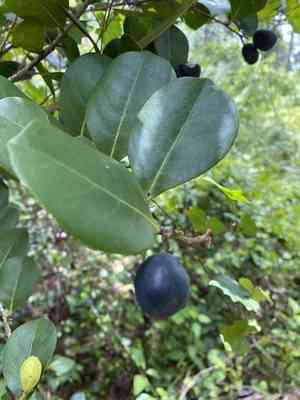
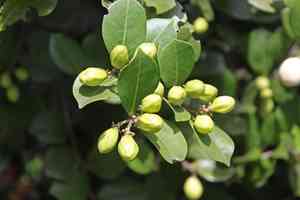

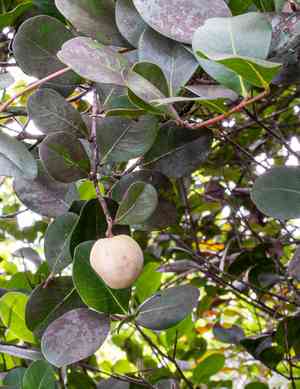
Quickly Identify Cocoplum
1
Identifying Chrysobalanus icaco involves looking for its leathery, oval leaves with a glossy surface, small white or pink flowers, and plum-like fruits that turn dark purple to black when ripe.
Scientific Classification of Cocoplum
Phylum
Vascular plants
Class
Dicotyledons
Order
Malpighiales
Family
Cocoa-plum
Genus
Coco plums
Species
Cocoplum
Planting and Growing of Cocoplum
Care Difficulty
Easy
Watering Schedule
Every 2 days
Sunlight Requirements
Full sun
Sunshine Duration
6-12 hours
Ideal Temperature
68-86℉
Soil Type
Potting Mix, Peat Mix
Soil pH
6.5-7.5
Fertilizer Type
Balanced
Pruning Season
Spring, Summer
Pruning Area
Branches, Leaves
Pruning Frequency
2 times a year
Repotting Season
Spring
Pot Type
Plastic, Ceramic
 How to Water Cocoplum?
Chrysobalanus icaco, also known as the cocoplum, prefers to be watered moderately. The goal is to keep the soil consistently moist but not waterlogged, so around 500 ml per watering is optimal. Ensure the water reaches the root zone while allowing excess to drain away to prevent rot.
What are the symptoms of an underwatered Cocoplum?
›
What should I do if my Cocoplum is not getting enough water?
›
What are the symptoms of an overwatered Cocoplum?
›
How to save an overwatered Cocoplum?
›
 What Are the Sunlight Requirements for Cocoplum?
Chrysobalanus icaco ideally grows in full sun to partial sun conditions, requiring about 5 to 8 hours of sunlight daily. This exposure supports robust growth and maximizes fruit yield, ensuring the plant’s vitality and resilience against environmental stresses.
More About Sunlight Requirements Techniques→
What type of light does Chrysobalanus icaco thrive in?
›
How can you optimize sunlight exposure for Chrysobalanus icaco?
›
Why is ideal lighting crucial for Chrysobalanus icaco?
›
 What Is the Ideal Temperature Range for Cocoplum?
The ideal temperature range for the growth of Chrysobalanus icaco is between 68°F and 86°F. This range allows for optimal metabolic processes within the plant, supporting its growth, fruiting, and survival while preventing stress-induced issues.
 What Soil is Best for Cocoplum?
Chrysobalanus icaco thrives in well-draining soils that prevent waterlogging. This quality ensures the roots get enough oxygen and reduces the risk of root rot, encouraging healthy growth. A nutrient-rich soil supports Chrysobalanus icaco by providing essential minerals needed for robust foliage and fruit production. Fertile soil enhances overall plant health and resilience. This plant benefits from soil that retains moderate moisture. Adequate water availability without being excessively wet encourages sustained growth and development during dry periods.
 How to Fertilize Cocoplum?
For Chrysobalanus icaco, it's essential to use a balanced formulation. Use 1/2 to 1 teaspoon of liquid fertilizer per gallon of water when administering liquid fertilizer. For slow-release granules, around 1/4 cup per plant should suffice, taking care not to over-fertilize, which can harm the plant.
 How to Prune Cocoplum?
Always aim for clean cuts when pruning to encourage quicker healing and reduce the risk of infection. A jagged or rough cut can leave the plant vulnerable to pests and diseases, so using sharp tools is vital. After pruning, watch the plant for new growth and any signs of stress. Adjust your watering and fertilization schedule if necessary to help the plant recover quickly from the trimming. While it's important to control growth, over-pruning can harm the plant. Limit pruning to no more than one-third of the plant’s total volume in any single session to prevent shocking the plant. Adapt your pruning strategy according to the season. In spring, focus on shaping; in summer, thin out to improve air flow; and in autumn, remove any weak growth to prepare the plant for the colder months.
More About Pruning Techniques→
 How to Propagate Cocoplum plant?
1
Collect fresh seeds from mature Chrysobalanus icaco fruits. Clean the seeds by removing any fruit residue and allow them to dry for a few days to prevent mold growth during germination.
2
Select healthy, semi-hardwood cuttings from new growth. Cut a 4-6 inch section, removing the lower leaves to reduce moisture loss, and dip the cut end in rooting hormone to encourage root development.
3
For seeds, sow them in a well-draining seedling mix, covering lightly with soil. Cuttings should be inserted into a potting mix that retains moisture. Water gently to keep the soil evenly moist but not waterlogged.
 How to Repot Cocoplum plant?
1
Chrysobalanus icaco shows the need for repotting when its roots start peeking out of the drainage holes, indicating limited space for growth. Discoloration of leaves and a noticeable decrease in growth rate are also telltale signs. Performing the task in early spring or late summer when the plant is not active can ensure minimal stress and quicker recovery.
2
Selecting the correct pot for Chrysobalanus icaco involves opting for one that is slightly larger than the existing one, ideally 1-2 inches larger in diameter. The pot should have ample drainage holes to prevent root rot, ensuring adequate air circulation for healthy root development. A clay pot can be a good choice as it aids in moisture management, preventing overwatering issues.
3
For optimal growth, Chrysobalanus icaco thrives in a well-draining loamy soil mix enriched with organic matter. This type of soil facilitates adequate water retention while ensuring necessary drainage, preventing waterlogging. It also provides essential nutrients, promoting healthy growth and a sturdy root system.
Toxicity
Ingestion
WARNING
The judgment on toxicity and danger is for reference only. We DO NOT GUARANTEE any accuracy of such judgment. Therefore, you SHALL NOT rely on such judgment. It is IMPORTANT TO SEEK PROFESSIONAL ADVICE in advance when necessary.
Learn More About Cocoplum Diseases
Anthracnose
Bacterial Leaf Spot
Bacterial Soft Rot
Black Spot
Chemical Injury
Crown Gall
Damping-off
Drought Stress
Fusarium Wilt
Gray Mold
Leaf Curl
Leaf Spot
Mosaic
Nutrient Deficiency
Nutrient Toxicity
Powdery Mildew
Root Rot
Root-knot Nematode
Rusts
Sooty Mold
Spider Mites
Temperature Stress
Thrips Damage
White Mold



