How to Overwinter Cocoplum
1
Cocoplum is susceptible to frost and needs particular attention in winter to endure low temperatures.
2
Apply a mulch layer of at least 5-10 cm (2-4 inches) to safeguard Cocoplum's root system.
3
The indoor setting for Cocoplum ought to be kept at a temperature range of 21-24°C (70-75°F).
What is Cocoplum and Why is Overwintering Important?
What is Cocoplum and Why is Overwintering Important?
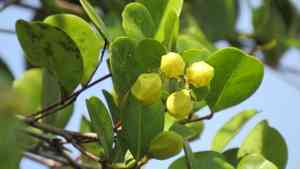
Cocoplum (Chrysobalanus icaco) is an evergreen shrub indigenous to the coastal areas of Florida, the Caribbean, and Central and South America. Renowned for its appealing glossy foliage and edible fruits, Cocoplum flourishes in warm climates but is susceptible to frost. Protecting Cocoplum during winter is vital for gardeners residing in regions with cold winters, as the plant cannot endure freezing temperatures. Proper cold-season care ensures Cocoplum survives the chilly months and re-emerges healthy and vibrant in spring.
Preparing Cocoplum for the Winter
Cleaning and Pruning
Before winter arrives, clean your Cocoplum by removing any fallen leaves, old mulch, and debris from around the plant's base. This helps prevent mold, fungal growth, and pests. Pruning is also crucial: trim back any dead or damaged branches to reduce the plant's energy use and encourage healthy growth in spring. Be sure to use clean, sharp pruning shears for precise cuts and to avoid harming the plant.
Inspecting for Pests and Diseases
Thoroughly examine your Cocoplum for indications of pests and diseases before winter. Look for symptoms such as discolored leaves, chewed foliage, or unusual spots. Address any issues promptly using suitable organic or chemical treatments. Tackling these problems early helps ensure the plant enters winter in optimal health, increasing its chances of surviving cold weather.
How to Protect Cocoplum from Frost?
Choosing the Right Mulch
Mulching is a critical step in safeguarding Cocoplum from frost. Apply a thick layer of organic mulch, such as straw, wood chips, or leaves, around the plant's base. The mulch layer should be at least 5-10 cm (2-4 inches) deep to insulate the roots and maintain soil moisture. This barrier helps regulate soil temperature and prevents rapid freezing and thawing cycles that can harm the plant.
Using Frost Blankets and Covers
Frost blankets and covers offer an additional layer of defense against cold temperatures. Covering your Cocoplum with frost blankets or horticultural fleece can help retain heat and shield the plant from freezing winds. Secure the covers to the ground to ensure they don't blow away, and remove them during the daytime when temperatures rise above freezing to prevent overheating.
Positioning for Optimal Shelter
If feasible, move potted Cocoplum plants to a protected location, such as a garage, shed, or greenhouse, where they will be safe from the cold. For Cocoplum planted in the ground, select a planting spot with some natural protection, such as near a wall or fence that can block cold winds. This strategic placement can help reduce the plant's exposure to harsh winter conditions.
Indoor Care for Cocoplum
Creating the Ideal Indoor Environment
When bringing Cocoplum indoors for the winter, it's essential to provide an environment that mimics its natural habitat. Maintain a consistent temperature between 21-24°C (70-75°F) and avoid placing the plant near drafts or heating vents. Ensure good air circulation to prevent fungal issues, but avoid cold drafts that could harm the plant.
Monitoring Watering and Humidity
Indoor conditions can lead to dry soil and low humidity, which can stress your Cocoplum. Water the plant regularly, keeping the soil consistently moist but not waterlogged. Use a humidity tray or a room humidifier to maintain air moisture levels around the plant, ideally between 50-60% relative humidity. Regular misting can also help maintain adequate humidity.
Ensuring Adequate Light
Cocoplum requires bright, indirect sunlight to thrive indoors. Place the plant near a south-facing window where it will receive ample light. If natural light is insufficient, consider using grow lights to provide the necessary light spectrum and duration. Aim for at least 6-8 hours of light per day to keep the plant healthy.
Signs of Winter Stress in Cocoplum
Identifying Leaf Discoloration
One of the initial indicators of winter stress in Cocoplum is leaf discoloration. Leaves may turn yellow, brown, or develop dark spots. Discoloration often points to a problem with temperature, light, or water. Address the issue promptly by adjusting care routines to restore the plant's health.
Checking for Root Damage
Root damage due to frost or waterlogged soil can be detrimental to Cocoplum. Signs of root damage include poor growth, wilting, and an overall decline in plant vigor. If you suspect root problems, carefully inspect the roots and prune any rotten or damaged sections. Repot the plant in fresh, well-draining soil if necessary.
Addressing Wilting and Drooping
Wilting and drooping can occur if Cocoplum is exposed to cold drafts or insufficient watering. Ensure the plant is not placed in drafty areas and that it receives consistent, appropriate watering. If wilting persists, check for pests or diseases and provide gentle support by staking if needed.



