How to Propagate Buttonsage?
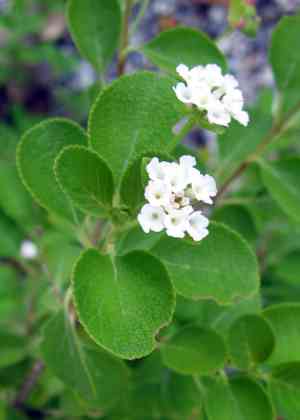
Buttonsage, a perennial plant that flowers, flourishes in temperate environments and is recognized for its hardiness and vivid blossoms. It propagates most efficiently via stem sections, which ought to be harvested from robust, non-blooming stalks to ensure optimal root formation. When preparing these sections, employ a keen, disinfected implement to achieve precise incisions. Subsequently, these should be situated in a growing substrate that drains effectively, maintained in a damp but not saturated state to foster root growth. Steady hydration and warmth will aid in the successful establishment of young plants, enabling cultivators to achieve early triumphs in multiplying this impressive variety.
Optimal Time for Buttonsage Propagation
Propagation Method
Cutting
Propagation Period
Spring,Summer
Tools for Buttonsage Propagation
Sharp Pruning Shears
These are vital for obtaining clean, precise cuttings from buttonsage. Sharp blades ensure smooth cuts, minimizing plant stress and promoting faster healing and rooting.
Rooting Hormone
This product is utilized to boost root development from buttonsage cuttings. Dipping the cut ends into the hormone significantly improves the formation of healthy roots, leading to more successful propagation.
Sterile Potting Mix
A clean, pathogen-free, well-draining potting mix provides buttonsage cuttings with the best environment for root growth. Its sterility prevents disease transmission, which is crucial for new plants.
Propagation Tray
This item holds buttonsage cuttings securely and maintains the necessary humidity and temperature for rooting. Shallow, wide trays are especially useful for managing multiple cuttings efficiently.
Plastic Covers
These covers fit over propagation trays to maintain high humidity, essential for rooting buttonsage cuttings. They also help retain heat, further aiding effective propagation.
Heat Mats
For buttonsage, maintaining an ideal temperature at the root zone is key for successful root development. Heat mats offer a consistent heat source, vital in cooler conditions or uncontrolled environments.
How to Propagate Buttonsage?
Propagation Difficulty
Easy
Caring for Newly Propagated Buttonsage
Caring for Newly Propagated Buttonsage
After propagation, gradually introduce young buttonsage plants to less humid conditions by removing the cover for increasingly longer durations. Consistent watering is necessary, but avoid waterlogging. Position buttonsage in bright, indirect light. As buttonsage establishes, begin feeding with a balanced, diluted fertilizer every 4-6 weeks during the growing season. Monitor for pests or diseases and treat as needed to ensure healthy growth.
Common Errors to Avoid When Propagating Buttonsage
Overwatering
Excessive watering can cause root rot and fungal issues in buttonsage. Its preference for well-drained soil means soggy conditions impede root development and overall plant health.
Too much shade
Placing buttonsage in overly shaded areas can hinder its growth and flowering. Buttonsage thrives in full sun, and insufficient light can result in leggy plants and poorer blooms.
Excessive fertilization
Applying too much fertilizer can harm buttonsage by causing salt buildup in the soil and potentially burning the roots, which diminishes the plant's overall health and ability to propagate successfully.
Tips For Propagating Buttonsage
Cuttings in well-draining soil
Propagate buttonsage using cuttings placed in well-draining soil. This method enhances root growth and drainage, crucial for the plant's overall health and development.
Mild humidity
Maintaining mild humidity levels when propagating buttonsage supports healthy leaf and stem growth without the excess moisture that promotes fungal diseases.
Regular light feeding
Provide buttonsage with light, regular feeding during the initial stages of propagation. This encourages stronger root systems and robust plant growth without the risks associated with over-fertilization.



