Enhancing Your Garden Design with the Buttonsage Plant: A Landscaping Guide
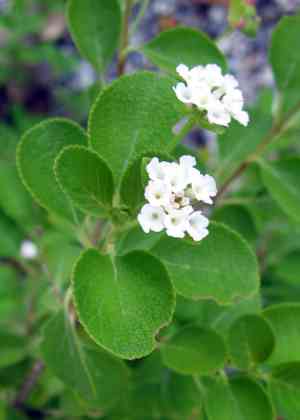
1
Buttonsage tolerates dry conditions well, making it perfect for water-wise gardens.
2
Its bright blooms offer year-round visual appeal.
3
Buttonsage helps the environment by drawing in helpful insects and animals.
Introducing Buttonsage for Landscape Use
Understanding Buttonsage's fundamental characteristics
Before exploring how Buttonsage can improve your outdoor space, it's vital to grasp what distinguishes this plant. Buttonsage is a resilient shrub recognized for its small, fragrant leaves and vibrant flower clusters. It flourishes in warm climates and resists drought, making it a preferred choice for gardeners seeking low-effort options. Furthermore, Buttonsage adapts to various soil types, boosting its versatility in landscape design.
Reasons for Buttonsage's popularity in garden design
Buttonsage is a favored option in landscaping for numerous reasons. Its minimal upkeep and ability to thrive in challenging conditions make it an excellent selection for busy gardeners. Additionally, its extended flowering period ensures your garden displays vivid, colorful blooms for most of the year. The plant's compact size and bushy habit make it perfect for borders, ground cover, and even container planting, adding to its adaptability and usefulness in diverse landscape schemes.
Visual Advantages of Buttonsage in Your Garden
Color and texture contributions of Buttonsage to the landscape
Buttonsage is celebrated for the aesthetic appeal it brings to gardens. Its flowers range from white to lavender, and its green, velvety leaves add textural depth to the landscape. This blend of colors and textures can enhance various garden styles, from tropical to Mediterranean themes. Whether used as a focal point or as part of the background greenery, Buttonsage offers a striking visual contrast that can elevate your garden's overall beauty.
Seasonal changes and their aesthetic impact
Another benefit of incorporating Buttonsage into your landscaping is its seasonal transformations. As seasons shift, so do the hues of Buttonsage's flowers, creating a dynamic visual display throughout the year. During flowering periods, the plant is covered with flower clusters that attract butterflies and bees, adding movement and vitality to your garden. Even during dormant phases, Buttonsage's evergreen foliage ensures your garden retains some greenery, preventing the barren appearance some gardens experience off-season.
Sustainable Practices with Buttonsage
Buttonsage's drought tolerance and minimal water requirements
A primary reason gardeners are drawn to Buttonsage is its exceptional drought resistance. This plant needs minimal watering once established, making it ideal for areas prone to water scarcity. Its robust root system allows it to access deep soil moisture, reducing the need for frequent irrigation. Integrating Buttonsage into your landscape can significantly decrease water consumption, making your garden more sustainable and easier to maintain.
Buttonsage's role in fostering an eco-friendly garden
Beyond its drought tolerance, Buttonsage plays a crucial role in promoting an eco-friendly garden. Its flowers attract various pollinators, including bees, butterflies, and hummingbirds, which are vital for your garden ecosystem's health. Additionally, the plant provides a habitat for beneficial insects that naturally help control pest populations. By choosing Buttonsage, you contribute to your garden's biodiversity and overall health, allowing it to flourish with minimal chemical intervention.
Pairing Buttonsage with Other Plants
Companion plants for Buttonsage in landscape design
Creating a harmonious garden involves pairing Buttonsage with complementary plants. Its adaptable nature allows it to coexist beautifully with various other plants. Consider combining it with ornamental grasses, succulents, or other drought-tolerant species to create layers of texture and color. Flowering plants like lantanas, pentas, and salvias can enhance your landscape's visual appeal, offering a mix of heights and blooms that provide year-round interest.
Arranging plants for balanced garden aesthetics
Balance in garden design is essential for creating an attractive and functional space. Begin by using Buttonsage as a border plant or ground cover, setting the stage for taller plants behind it. If using it in pots or planters, position them strategically around seating areas or entrances to create inviting spots. Be mindful of spacing to ensure each plant has ample room to grow, preventing competition for resources. Utilizing Buttonsage as part of a well-conceived arrangement can lead to a balanced, aesthetically pleasing garden that thrives season after season.
Maintenance Advice for Buttonsage in Landscapes
Key care practices for health and vigor
Maintaining Buttonsage's health and vibrancy in your garden involves a few essential practices. Ensure it receives ample sunlight, as this plant thrives best in full sun. Although drought-tolerant, occasional watering during extended dry periods will keep it looking its best. Pruning is another critical aspect of Buttonsage's care; regular trimming helps maintain its shape and encourages more prolific blooming. Deadhead spent flowers to promote new blooms and manage the plant's spread if necessary.
Seasonal maintenance routines
Establishing a seasonal maintenance routine for Buttonsage will keep your landscape looking fantastic throughout the year. In spring, consider applying a slow-release fertilizer to boost growth before the blooming season. Summer months may require more frequent checks for pests, as warm weather can attract unwanted insects. Fall is an ideal time for more extensive pruning to prepare the plant for winter. While Buttonsage is hardy, a light mulch can protect its roots during unexpected cold snaps. Following these seasonal tips ensures Buttonsage continues to thrive and enhance your landscape for years to come.



