The Buttonsage Plant Advantage: Maximizing Home and Office Appeal and Wellness
1
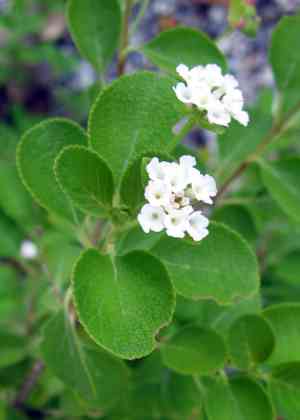
Buttonsage is recognized for its exceptional capacity to draw in pollinators.
2
This species readily adjusts to diverse soil compositions and weather patterns.
3
It offers considerable ecological advantages, such as preventing soil degradation.
Why is Buttonsage Beneficial for Pollinators?
Attracting Butterflies and Bees
A key advantage of Buttonsage is its capacity to draw in butterflies, bees, and other vital pollinators. The plant produces numerous small, vibrant blossoms that are highly appealing to these creatures. The nectar and pollen from these flowers serve as essential food sources, particularly during the flowering period.
Supporting Pollinator Populations
By cultivating Buttonsage, gardeners and landscapers can significantly aid in the stability and increase of pollinator numbers. This not only enhances the visual appeal of the landscape but also fosters biodiversity by sustaining the life cycles of various pollinator species.
How Does Buttonsage Benefit the Environment?
Erosion Control
Buttonsage possesses a robust root system that helps bind the soil, making it an excellent choice for preventing erosion. Whether planted on inclines or in areas prone to water runoff, this plant can help stabilize the ground and deter erosion, offering an eco-friendly landscape solution.
Improving Soil Quality
Beyond preventing soil erosion, the root system of Buttonsage also contributes to enhancing soil quality. The plant's roots improve soil structure by creating channels that boost water penetration and aeration. This can lead to healthier soil capable of supporting a wider array of plant species.
What Are the Landscaping Benefits of Buttonsage?
Versatility in Garden Design
Buttonsage is highly adaptable in garden design due to its flexibility and attractive appearance. The plant can flourish in various soil types, including sandy, loamy, and even rocky soils. It also tolerates diverse climate conditions, from sunny spots to partial shade, making it an excellent option for varied landscaping projects.
Low Maintenance
One of the most appealing features of Buttonsage for gardeners is its minimal maintenance requirements. Once established, the plant is drought-tolerant and needs little watering. It also exhibits natural resistance to many pests and diseases, reducing the need for chemical interventions and making it a sustainable choice for environmentally conscious gardeners.
Can Buttonsage Boost Biodiversity?
Supporting Native Fauna
By offering food and shelter, Buttonsage supports a range of indigenous wildlife, including birds, insects, and small mammals. The flowers provide nectar to pollinators, while the dense foliage offers cover and nesting locations. This contributes to a balanced and thriving ecosystem.
Encouraging Local Flora Diversity
Cultivating Buttonsage can also promote local plant diversity. Its presence can facilitate the growth of other native plants by enhancing soil quality and creating a more favorable microenvironment. This biodiversity is vital for establishing resilient ecosystems capable of withstanding environmental pressures.
How Is Buttonsage Used in Rehabilitation Projects?
Restoring Degraded Lands
Given its strong root system and ability to thrive in poor soil conditions, Buttonsage is frequently employed in land restoration initiatives. It can reclaim damaged lands by stabilizing the soil, preventing further erosion, and improving soil fertility. This makes it a valuable plant for ecological recovery efforts.
Urban Green Spaces
Additionally, Buttonsage is often utilized in urban green areas to enhance ecological value. The plant's adaptability to challenging growing conditions makes it ideal for city landscaping, where it can provide green cover, improve air quality, and offer aesthetic appeal. Its role in urban environments underscores its importance for both ecological and human well-being.



