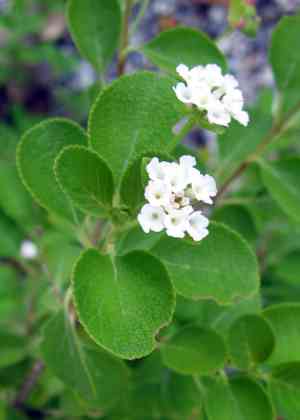
Buttonsage (Lantana involucrata)
Also known as: Buttonsage, Wild Sage
Lantana involucrata, often referred to as buttonsage, belongs to the verbena family. This flowering plant thrives in the American tropics and is commonly found in well-drained regions. Additionally, it can be seen on the Galapagos Islands and in Bermuda.
In This Article
Attributes of Buttonsage
Lifespan
Perennial
Plant Type
Herb
Plant Height
30 cm to 91 cm
Spread
0.5 to 1.5 meters
Leaf Color
Green
Flower Size
1 to 2 cm
Flower Color
Purple, White, occasionally Pink
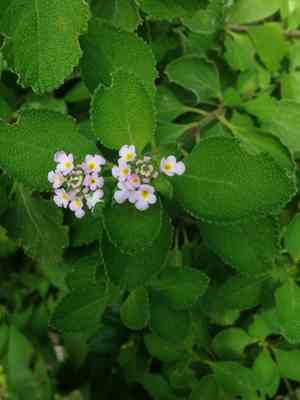
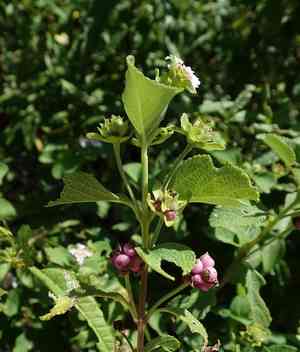
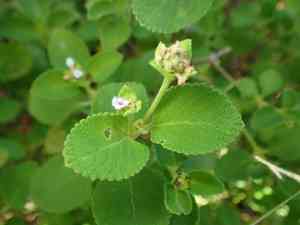
Images of Buttonsage
Quickly Identify Buttonsage
1
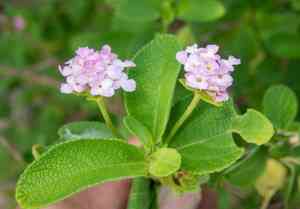
Identify this plant by its small, ovate leaves with toothed margins and its clusters of tubular flowers that can be purple, white, or occasionally pink.
Scientific Classification of Buttonsage
Phylum
Vascular plants
Class
Dicotyledons
Order
Lamiales
Family
Verbena
Genus
Shrub verbenas
Species
Buttonsage
Planting and Growing of Buttonsage
Care Difficulty
Easy
Watering Schedule
Every 3 days
Sunlight Requirements
Full sun
Sunshine Duration
6-10 hours
Ideal Temperature
65-85℉
Soil Type
Potting Mix, Peat Mix
Soil pH
6.5-7.5
Fertilizer Type
Balanced
Pruning Season
Spring, Summer
Pruning Area
Branches, Leaves
Pruning Frequency
2 times a year
Repotting Season
Spring
Pot Type
Plastic, Ceramic
 How to Water Buttonsage?
For Lantana involucrata, it is recommended to water approximately 500 milliliters each time. The goal is to thoroughly moisten the root zone but ensure that there's no standing water left. Wait until the top inch of soil dries out before the next watering.
What are the symptoms of an underwatered Buttonsage?
›
What should I do if my Buttonsage is not getting enough water?
›
What are the symptoms of an overwatered Buttonsage?
›
How to save an overwatered Buttonsage?
›
 What Are the Sunlight Requirements for Buttonsage?
Lantana involucrata thrives under full sun conditions, benefiting from sustained exposure. The ideal light fosters vigorous growth, vibrant blooms, and robust foliage, enhancing its ornamental and ecological value.
What is the ideal light condition for Lantana involucrata?
›
How can I ensure ideal lighting for Lantana involucrata?
›
What are the benefits of providing Lantana involucrata with ideal lighting?
›
 What Is the Ideal Temperature Range for Buttonsage?
The ideal temperature range for cultivating Lantana involucrata is between 65°F to 85°F. These temperatures offer the optimal conditions for growth and ensure the plant maintains its vibrant, healthy appearance. Within this range, Lantana involucrata can successfully complete its growth cycles and maximize its ornamental value.
 What Soil is Best for Buttonsage?
Lantana involucrata thrives in well-drained soil, which prevents root rot and ensures healthy growth. Excellent drainage allows the roots to breathe and absorb nutrients effectively. This plant benefits from a soil that provides a balanced range of nutrients. A nutrient-rich environment supports vibrant foliage and abundant flowering, crucial for an attractive garden display. Incorporating moderate organic matter into the soil enriches its texture and fertility. It helps retain moisture without waterlogging and introduces beneficial microorganisms for healthier plant development.
 How to Fertilize Buttonsage?
When fertilizing Lantana involucrata, apply a balanced liquid fertilizer diluted to half strength. For mature plants, use about 250ml of the solution per application. Avoid excessive amounts to prevent root damage.
 How to Prune Buttonsage?
Lantana plants can cause skin irritation for some people due to their slightly thorny stems. It’s prudent to wear gloves and long sleeves to protect your skin from potential irritation during pruning. Be mindful not to remove more than one-third of the plant at once. Over-pruning can stress the plant, reduce flowering, and slow its recovery. Always aim to prune progressively and gently.
More About Pruning Techniques→
 How to Propagate Buttonsage plant?
1
Harvest seeds from mature Lantana involucrata fruits, ensuring they are healthy and disease-free. Clean them carefully by removing any pulp and dry them before sowing, which enhances germination rates.
2
Select a healthy, non-flowering stem from the parent plant. Cut a section about 4-6 inches long with at least two nodes, removing the lower leaves to reduce water loss.
3
Plant the seeds or cuttings in a well-draining medium. For seeds, cover lightly with soil, and for cuttings, insert the cut end into the medium ensuring it is stable yet not too deep to prevent rot.
 How to Repot Buttonsage plant?
1
Repot your Lantana involucrata when you notice roots growing out of the drainage holes or when the plant's growth has noticeably slowed. Other signs include water pooling on the surface without soaking in and the soil looking compacted. These are indicators that it's time to move your plant to a new home.
2
Choose a pot that's about 2 inches larger in diameter than the current one. Ensure it has good drainage holes to prevent waterlogging, as Lantana involucrata prefers not to sit in overly wet conditions. This helps promote healthy root growth and avoids root rot, which is a common problem with improper pot selection.
3
Opt for a well-draining potting mix that contains sand, perlite, or pumice. This type of soil prevents water from stagnating and provides the aeration roots need to thrive. Proper soil choice supports vigorous growth and helps maintain the plant's vibrant health.
Toxicity
Ingestion of plant parts
WARNING
The judgment on toxicity and danger is for reference only. We DO NOT GUARANTEE any accuracy of such judgment. Therefore, you SHALL NOT rely on such judgment. It is IMPORTANT TO SEEK PROFESSIONAL ADVICE in advance when necessary.
Learn More About Buttonsage Diseases
Anthracnose
Bacterial Leaf Spot
Bacterial Wilt
Chemical Injury
Damping-off
Downy Mildew
Drought Stress
Fusarium Wilt
Gray Mold
Leaf Curl
Leaf Spot
Mosaic
Nutrient Deficiency
Nutrient Toxicity
Powdery Mildew
Root Rot
Root-knot Nematode
Rusts
Sooty Mold
Spider Mites
Temperature Stress
Thrips Damage
White Mold



