How to Propagate Virgin’s bower?
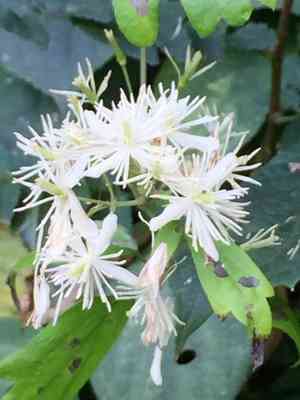
Clematis virginiana can be successfully multiplied using the cutting technique. To boost the likelihood of root development, opt for semi-hardwood sections harvested from robust, established specimens during their period of vigorous expansion. Sever a piece that includes multiple nodes, apply a rooting stimulant, and then embed it in a potting blend that drains efficiently. Ensure steady hydration and warmth to encourage proper rooting, while preventing overly saturated conditions that could lead to decay.
What Is the Best Time To Propagate Virginâs Bower?
Propagation Type
Cutting
Propagation Season
Spring,Summer
What Tools Are Used in Virginâs Bower Propagation?
Sharp Pruning Shears
These cutting tools are vital for obtaining clean, precise sections from virginâs bower. A keen edge ensures a smooth incision, minimizing harm to the parent plant and boosting the likelihood of successful rooting.
Rooting Hormone Powder
This product aids in speeding up root formation on virginâs bower cuttings. By dipping the severed end of the stem into the powder, it stimulates quicker root development, which is crucial for the successful establishment of new plants.
Sterile Potting Mix
A well-draining and pathogen-free potting medium offers an optimal environment for the rooting of virginâs bower cuttings. It helps prevent disease and supports robust root growth without the threat of soil-borne illnesses.
Humidity Dome or Plastic Bags
These items help maintain the necessary moisture levels around virginâs bower cuttings, which keeps them hydrated and promotes rooting. Such a controlled setting helps prevent the cuttings from drying out during the initial stages of root development.
Heat Mat
For virginâs bower, providing consistent warmth to the base can significantly improve the rooting process, especially in cooler conditions. A heat mat assists in keeping the soil temperature stable, encouraging faster and more efficient root growth.
How to Propagate Virginâs Bower?
Propagation Type
Moderately Difficult
How to Care for Your Newly Propagated Virginâs Bower?
How to Care for Your Newly Propagated Virginâs Bower?
Once virginâs bower cuttings have rooted and exhibit new growth, gradually introduce them to less humid conditions by removing the plastic cover for increasing durations daily. After the plants adapt to the normal environment, transfer them to their permanent spot, ensuring they are placed in partial shade to full sun with moist, well-drained soil. Consistent watering is essential, especially during dry spells. Support is crucial for climbing varieties, so provide a suitable structure for the vines to ascend as they mature.
Common Mistakes to Avoid When Propagating Virginâs Bower
Neglecting humidity requirements
Ignoring the need for a moist environment can cause virginâs bower cuttings to dehydrate, lowering the chances of successful rooting.
Improper cutting technique
Severing virginâs bower stems incorrectly or with dull instruments can harm the plant tissue, making it susceptible to diseases and impeding root development.
Overwatering
Excessive watering of virginâs bower can lead to root rot, particularly in the early stages of propagation when new roots are delicate and prone to fungal infections.
Undervalued cleanliness
Failing to sanitize tools or containers can introduce pathogens to virginâs bower cuttings or seedlings, potentially resulting in disease and failed propagation.
Misjudging rooting medium
Using an unsuitable rooting medium might hinder virginâs bower's root growth due to poor drainage or insufficient aeration.
Overlooking pests
Neglecting to inspect virginâs bower for pests can severely impact the health of the propagules, as pests can rapidly infest vulnerable young plants.
Tips For Propagating Virginâs Bower
Provide high humidity
Maintain elevated humidity around virginâs bower cuttings using a humidity dome or regular misting, which is vital for encouraging root formation.
Use sharp tools
Employ sharp, clean instruments to take cuttings from virginâs bower to ensure precise cuts that heal quickly and are less susceptible to infection.
Adequate watering
Water virginâs bower's propagation medium sufficiently to keep it moist but not waterlogged, balancing moisture levels to support root growth without causing decay.
Sterilize equipment
Sanitize all tools and containers before propagating virginâs bower to minimize the risk of disease transmission.
Choose right medium
Select a light, well-draining, and sterile propagation medium for virginâs bower to facilitate root development and provide a healthy beginning.
Pest monitoring
Regularly check virginâs bower propagules for any signs of pests and take immediate action if any are detected to safeguard young plants.



