The Virgin’s bower Plant Advantage: Maximizing Home and Office Appeal and Wellness
1
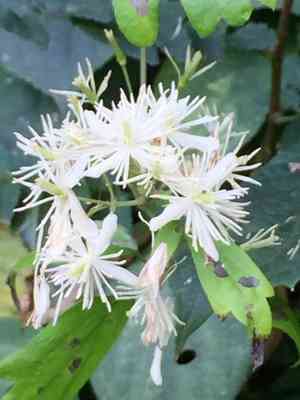
This botanical specimen is recognized for its attractive, ascending tendrils and fragile white blossoms.
2
It draws in advantageous insects, thereby enriching garden ecological variety.
3
The flora can serve as an organic screen, offering seclusion and shadow.
What Makes Virgin's Bower Special?
Visual Charm
A key characteristic of Virgin's Bower is its visual appeal. This plant produces clusters of striking white blossoms that appear from late summer to early autumn. These flowers not only beautify any garden but also release a subtle scent that can enhance your outdoor space. Its abundant green leaves and extensive climbing ability can create a stunning, dynamic vertical garden.
Ecological Contributions
Beyond its visual charm, Virgin's Bower plays a vital role in fostering ecological well-being. The plant attracts various beneficial insects, including pollinators like bees and butterflies. By inviting these essential insects into your garden, Virgin's Bower helps boost biodiversity and supports the overall health of your garden ecosystem. This symbiotic relationship between the plant and pollinators ensures a flourishing and balanced natural environment.
How Can Virgin's Bower Improve Your Garden?
Natural Barrier and Privacy Screen
If privacy is a concern, Virgin's Bower can serve as an effective natural barrier. Its rapidly growing vines can cover fences, trellises, and arbors, providing an attractive and functional screen that creates a sense of seclusion. Whether you wish to shield a patio, pool area, or simply reduce exposure from the street, Virgin's Bower can meet your privacy needs while enhancing the aesthetic appeal of your space.
Soil Protection and Erosion Control
The extensive root systems of Virgin's Bower play a significant role in protecting soil and controlling erosion. When planted strategically on slopes or loose soil areas, the roots help hold the soil in place, thereby reducing the risk of erosion. This feature is particularly beneficial for gardens located in hilly areas or regions prone to heavy rain.
Why Should You Consider Virgin's Bower for Wildlife Support?
Establishing Habitat for Small Creatures
The dense foliage and sprawling vines of Virgin's Bower provide an excellent habitat for small creatures. Birds, beneficial insects, and even small mammals can find shelter and nesting spots within its growth. By incorporating Virgin's Bower into your garden, you're supporting local wildlife and contributing to the health of your local ecosystem.
Enhancing Food Sources
Many of the insects attracted by Virgin's Bower are crucial food sources for birds and other animals. By increasing the availability of these insects, you help sustain a more robust and diverse wildlife population. The presence of a variety of insects can also enhance the health of other plants in your garden, as natural pest control dynamics come into play.
How to Care for Virgin's Bower in Your Garden?
Ideal Growing Conditions
Virgin's Bower thrives in well-drained soil and prefers locations with partial to full sunlight. While it can adapt to various soil types, ensuring the soil is not overly compacted will help the plant flourish. Regular watering during dry spells can keep the plant healthy and vibrant.
Pruning and Maintenance
Pruning is an essential part of maintaining the health and shape of Virgin's Bower. Regular trimming not only encourages new growth but also prevents the plant from becoming too unruly. Focus on removing dead or damaged vines and shaping the plant as needed to fit your garden design. Feeding the plant with organic compost or a balanced fertilizer during the growing season can also support its vigor.



