How to Overwinter Virgin’s bower
1
Virginâs bower tolerates cold and endures low temperatures if cared for correctly.
2
Trimming and applying mulch are crucial actions to get Virginâs bower ready for winter.
3
Overwintering indoors or outdoors can both work well, based on your local weather.
Why Virginâs bower is Frost Hardy
Why Virginâs bower is Frost Hardy
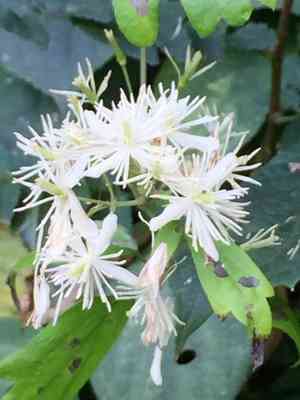
The Virginâs bower, known scientifically as Clematis apiifolia, is an incredibly resilient plant, well-suited to withstand cold temperatures. This outdoor perennial vine is celebrated for its delicate, star-shaped blossoms and striking climbing foliage. Its frost-hardiness makes it a fantastic choice for gardeners looking to enjoy beautiful blooms year after year. But what exactly gives the Virginâs bower its hardy reputation?
Preparing Virginâs bower for Winter
Pruning Tips for Overwintering
Trimming your Virginâs bower before winter helps to reduce stress and prevents the plant from wasting energy on damaged or dead growth. The best time to prune is in late fall, after the plant has finished growing for the season. Remove dead and weak stems, cutting them back to healthy tissue. For more vigorous growth in spring, prune the entire plant down to 30-45 cm (12-18 inches) above the ground.
Soil Preparation and Mulching
Soil preparation is key to overwintering success. First, ensure the soil is well-draining to prevent water-logged roots that can freeze and damage the plant. Applying a thick layer of mulch, around 5-7.5 cm (2-3 inches), can insulate the roots and maintain a steady temperature. Straw, bark chips, or even shredded leaves work well as mulching materials.
Watering Schedule Before Frost
Virginâs bower should be well-hydrated before the first frost. During the fall, continue to water the plant regularly, ensuring the soil is moist but not soggy. As temperatures drop, gradually reduce watering. A deep watering before the ground freezes solid helps provide the roots with enough moisture to last through winter.
Indoor vs Outdoor Overwintering for Virginâs bower
Benefits of Indoor Overwintering
If your winter temperatures are harsh, consider indoor overwintering for your Virginâs bower. Bringing the plant indoors offers complete protection from extreme weather. Choose a cool, well-ventilated room with plenty of indirect light. Ensure the plant is in a large pot, ideally the same one it was growing in outdoors, to avoid transplant shock.
Best Practices for Outdoor Overwintering
For those in milder climates, outdoor overwintering is an excellent option. In addition to pruning and mulching, consider using frost cloths or burlap to cover the plant during particularly cold nights. Ensure the covering is breathable to prevent fungus or mold. Stake the plant securely to withstand strong winter winds.
Common Concerns When Overwintering Virginâs bower
Dealing with Pests and Diseases
Winter does not necessarily mean an absence of pests or diseases. Regularly inspect your Virginâs bower for signs of infestation, like unusual spots on the leaves or stems. Use an organic pesticide or soapy water to treat minor issues. Consider a systemic pesticide for severe infestations, but only as a last resort.
Addressing Frost Damage
Even frost-hardy plants like Virginâs bower can suffer frost damage. If you notice blackened or withered leaves, prune the damaged parts immediately. Mulching and covering the plant can help prevent further damage. In early spring, assess the plant for any remaining signs of frost damage and prune as necessary to encourage new growth.
Reviving Virginâs bower in Spring
Gradual Transition to Outdoor Conditions
After the last frost has passed, gradually reintroduce your Virginâs bower to outdoor conditions. Start by placing it outside for a few hours each day, gradually increasing the time over a week. This helps the plant acclimate to temperature changes and reduces the risk of shock.
Spring Fertilization and Care
Spring is the perfect time to give your Virginâs bower a nutrient boost. Apply a balanced, slow-release fertilizer to encourage healthy growth. Continue to water regularly, ensuring the soil is moist but well-drained. Monitor for any pests or diseases and address them promptly.



