Enhancing Your Garden Design with the Virgin’s bower Plant: A Landscaping Guide
1
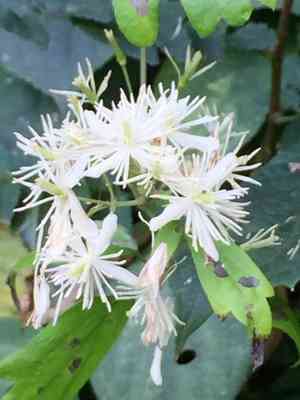
Clematis vitalba enhances your garden's appeal across all seasons.
2
Positioning Clematis vitalba close to buildings offers both natural cooling and visual charm.
3
Diligent care guarantees Clematis vitalba stays a magnificent focal point in your outdoor space.
An Introduction to Clematis in Garden Design
Understanding the aesthetic appeal of Clematis
The captivating charm of Clematis lies in its delicate blossoms and abundant foliage, making it a favorite among garden enthusiasts. Its climbing habit allows it to gracefully drape over arbors and trellises, adding a touch of elegance and romance to any landscape. With its ability to thrive in various conditions, Clematis offers versatility, making it suitable for both formal and casual garden designs.
The role of Clematis in seasonal landscape variation
Clematis shines in different ways throughout the year, providing a dynamic element to your garden. In spring and summer, it bursts into bloom with fragrant flowers that attract pollinators like bees and butterflies. As autumn approaches, its foliage may offer a subtle change in color, adding another layer of interest. Even in winter, the vines can create a beautiful structural element in a dormant garden.
Immediate visual impacts versus maturity growth
When first planted, Clematis can immediately elevate the visual appeal of your garden with its fresh, vibrant appearance. However, the true magic unfolds as the plant matures, covering trellises, fences, and walls with a lush, green tapestry of leaves and blossoms. Patience is rewarded as Clematis reaches its full potential, transforming spaces into verdant havens.
Optimal Placement for Clematis in Your Garden
Choosing the right location in your garden
Selecting the optimal spot for Clematis is crucial to maximizing its beauty and health. Ensure the site receives adequate sunlight, as Clematis typically thrives in full to partial sun. The soil should be well-draining, with enough space for the plant to spread and grow. Consider areas where Clematis can climb, such as beside a trellis, fence, or pergola, which will support its natural growing habits and enhance the structural aesthetics of your garden.
Benefits of planting Clematis near structures or walkways
Planting Clematis near structures like pergolas or arbors can provide not only visual appeal but also functional benefits. The plant can offer a natural canopy, creating shaded areas perfect for relaxation in hot weather. Near walkways, Clematis can form a charming corridor of greenery and blooms, making a stroll through your garden a delightful experience. Additionally, its climbing nature can help soften the appearance of hardscaping elements, blending natural and built environments seamlessly.
Complementing Clematis with Other Plants
Best companion plants for Clematis in a landscape
To create a harmonious garden, pair Clematis with plants that complement its growth habit and aesthetic. Consider companions like ornamental grasses, which provide texture contrast, or flowering shrubs that bloom in different seasons to ensure continuous interest. Groundcovers and perennials that thrive in similar soil and light conditions can also enhance the overall appearance, creating a cohesive and vibrant garden display.
How to achieve color harmony with Clematis
Clematis can be the star of your garden, but achieving color harmony is essential for a pleasing landscape. If Clematis has white or light-colored flowers, choose companion plants with blooms in complementary hues, such as soft pinks, blues, or purples. For varieties with bold, vibrant flowers, consider more subdued companions to avoid visual competition. The key is to balance color, texture, and form to create a visually appealing and cohesive design.
Seasonal planting considerations
When planning your garden with Clematis, it's essential to consider seasonal aspects. Plan for continuous bloom by pairing Clematis with early spring bulbs, summer perennials, and late-blooming annuals. This approach ensures that your garden remains vibrant and interesting throughout the seasons. Additionally, take note of the hardiness zones for both Clematis and its companions to ensure they thrive and withstand your local climate conditions.
Maintaining Aesthetic Balance with Clematis
Understanding growth patterns of Clematis
A crucial aspect of maintaining a beautiful garden with Clematis is understanding its growth patterns. Clematis is a vigorous climber that can quickly cover structures if not kept in check. Its roots prefer cool, moist conditions, so mulching can help retain soil moisture. By understanding how Clematis grows, you can better plan your garden and ensure the plant remains healthy and attractive year-round.
Practical tips for pruning and maintenance
Regular pruning is essential to keep Clematis looking its best and to prevent it from becoming unruly. Prune in late winter or early spring before new growth begins. Remove any dead or damaged stems, and thin out crowded areas to promote air circulation. Additionally, training new growth onto supports will help maintain the desired shape and coverage. Fertilize in spring with a balanced fertilizer to encourage robust growth and flowering.
Dealing with potential pests and diseases
While Clematis is generally resilient, it can be susceptible to pests and diseases. Keep an eye out for issues such as aphids, powdery mildew, or wilt. Promptly removing affected parts and using appropriate treatments, such as insecticidal soap or fungicides, can manage these problems effectively. Regularly inspecting your plants and maintaining good garden hygiene will prevent infestations and ensure Clematis remains a healthy focal point in your landscape.
Inspirational Designs Featuring Clematis
Showcasing successful landscape projects with Clematis
Seeing Clematis in action can provide inspiration for your garden. Many successful landscape projects highlight how Clematis can transform spaces. For instance, using Clematis to cover unsightly fences or walls can instantly beautify an area. Showcasing examples from garden tours or landscape design magazines can spark ideas on how to incorporate Clematis effectively in your own outdoor space.
Creative ideas for incorporating Clematis into various themes
Whether your garden follows a rustic cottage theme, a modern minimalist design, or a classic English garden style, Clematis can be a versatile addition. For a cottage garden, allow Clematis to weave through rose bushes and ramble over rustic arbors. In a modern garden, use it on sleek metal trellises to add softness and natural beauty. The adaptability of Clematis makes it a valuable plant for creative and thematic landscape designs.



