How to Propagate Spiny thrift?
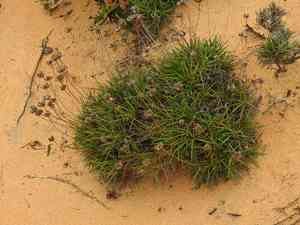
Originating from littoral regions, spiny thrift is most effectively multiplied via separation, a technique designed to preserve its distinct characteristics. Delicately divide the root mass during its vigorous growth phase to guarantee successful integration. Handle the fragile root structures with care and promptly re-establish the divisions to lessen shock. Place the nascent plants in substrate that drains efficiently and supply a moderate amount of water to foster root expansion, following methods advocated by botanical specialists for peak outcomes.
Optimal Period for Spiny Thrift Propagation
Propagation Method
Division
Propagation Season
Spring,Autumn
Tools Required for Spiny Thrift Propagation
Sharp Knife or Garden Shears
This implement is vital for making clean cuts through the root system of spiny thrift. A keen edge minimizes root damage, encouraging faster recovery and lowering disease risk. It's essential for precise root ball separation, enabling effective plant division.
Spade or Garden Fork
Utilized for digging around spiny thrift to extract it from the soil without harming its root structure. A spade or fork with sharp, robust tines is especially beneficial for loosening soil and removing the plant with sufficient root mass intact, crucial for successful division propagation.
Watering Can with Fine Rose
Post-division, it's important to water spiny thrift gently yet thoroughly to help lessen transplant shock. A watering can with a fine rose attachment delivers a soft, even spray that moistens the soil without disturbing newly planted divisions.
Rooting Hormone (optional)
Though not mandatory, applying rooting hormone to the cut surfaces of spiny thrift's roots can boost root development and foster stronger new plants. This can be particularly helpful in promoting vigorous growth in the new divisions.
Potting Mix or Garden Soil
Appropriate soil is essential after division to support spiny thrift's growth. A well-draining, nutrient-rich potting mix offers an ideal environment for root establishment and growth. If replanting directly in the garden, enriching the soil with compost can be advantageous.
Label and Marker
Labeling each new spiny thrift division with its planting date and any specific care instructions is important for monitoring its progress and maintaining proper care routines. This ensures each division receives the attention it needs to flourish.
How to Propagate Spiny Thrift?
Propagation Type
Easy
How to Care for Your Newly Propagated Spiny Thrift?
How to Care for Your Newly Propagated Spiny Thrift?
Spiny thrift thrives in well-drained, sandy or rocky soils and can endure dry conditions once established. Avoid excessive watering to prevent root rot. Provide occasional feeding with a balanced, slow-release fertilizer. Removing spent flowers can encourage more blooms and maintain plant vitality.
Common Errors to Avoid When Propagating Spiny Thrift
Overwatering
Excessive watering can cause root rot in spiny thrift, which is particularly sensitive to too much moisture around its roots. This condition can impede root development and reduce the plant's ability to absorb nutrients, ultimately compromising its health and growth.
Deep planting
Planting spiny thrift's cuttings or seeds too deeply can prevent them from getting enough light, which is vital for germination and initial growth. This error can significantly lower the success rate of propagation.
Using poor draining soil
Spiny thrift requires soil that drains well to thrive. Using compacted or clay-heavy soil can lead to water retention, thereby encouraging fungal diseases and negatively impacting root health.
Advice for Propagating Spiny Thrift
Use sand-enhanced soil
Adding sand to the soil mixture can improve drainage and aeration, creating the perfect soil conditions for spiny thrift to establish its root system effectively.
Moderate watering
Maintaining balanced soil moisture is crucial for spiny thrift. It's important to water just enough to keep the soil slightly moist but not saturated, to support healthy root growth without risking root rot.
Provision of light
Ensuring spiny thrift receives ample light, especially during its early growth stages, is essential for successful propagation. Adequate light supports photosynthesis and stimulates healthy development.



