The Spiny thrift Plant Advantage: Maximizing Home and Office Appeal and Wellness
1
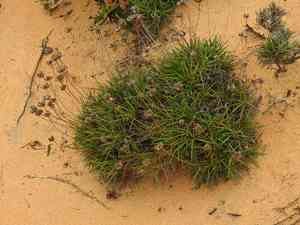
Spiny thrift is a robust, arid-tolerant plant perfect for dry regions.
2
Spiny thrift's appealing pink blooms enhance the visual charm of gardens.
3
Incorporating Spiny thrift into landscaping lowers water usage and upkeep expenses.
Benefits of Spiny Thrift in Your Garden
Visual Appeal
A primary reason to select Spiny thrift for your garden is its charming appearance. The plant showcases attractive pink blossoms that bloom vividly, adding a burst of color to any landscape. Its evergreen leaves provide year-round visual interest, making it a versatile option for various garden designs, from rockeries to seaside areas.
Aridity Tolerance
Spiny thrift is well-known for its ability to withstand dry conditions, making it an excellent choice for areas with limited water. This perennial plant flourishes in arid climates, offering a sustainable solution for gardeners focused on water conservation. Its deep root system helps it survive extended periods without rain, ensuring your garden stays vibrant and healthy even during droughts.
Ecological Advantages of Spiny Thrift
Decrease Water Usage
A significant advantage of integrating Spiny thrift into your garden is the notable reduction in water consumption. Traditional lawns and many garden plants demand frequent irrigation, which can strain local water sources, especially in dry regions. Spiny thrift, however, requires minimal watering once established. By choosing Spiny thrift, you contribute to water saving efforts, helping to preserve this vital resource.
Prevent Soil Loss
Spiny thrift plays a vital role in preventing erosion, particularly in areas susceptible to soil degradation. Its extensive root system anchors the soil, preventing erosion caused by wind and water. Planting Spiny thrift on slopes or in areas with loose soil can help maintain soil integrity, lowering the risk of landslides and degradation.
Integrating Spiny Thrift into Your Landscape
Optimal Growth Conditions
To maximize Spiny thrift's benefits, it's crucial to plant it in conditions suitable for its growth. This plant thrives in well-drained soil and prefers full sun to partial shade. While it tolerates poor soil, adding organic matter can enhance its growth and flower production. Ensure the planting site is free from heavy clay soils that retain excessive moisture, as Spiny thrift prefers drier conditions.
Garden Design Concepts
Spiny thrift is a flexible addition to various garden styles. For a coastal garden, it pairs well with other salt-tolerant plants like lavender and sea holly. In a rock garden, its compact growth habit complements rocks and gravel beautifully. Grouping Spiny thrift with other drought-resistant species can create a sustainable and low-maintenance garden that is both practical and visually appealing.
Spiny Thrift Care Guidelines
Minimal Irrigation
One of Spiny thrift's distinct benefits is its low water requirement. Once established, it typically needs watering only during extended dry periods. Overwatering can be harmful, so it's essential to ensure the soil is well-drained. During the first year, regular watering helps the plant develop a strong root system, but afterward, it can generally rely on natural rainfall.
Trimming and Fertilizing
To keep Spiny thrift looking its best, occasional trimming is recommended to remove spent flowers and foliage. This encourages new growth and maintains the plant's aesthetic appeal. Apply a balanced fertilizer in early spring to promote healthy growth, but be cautious of over-fertilizing, as this can lead to excessive foliage at the expense of flowers.
Common Issues and Solutions
Pests and Diseases
Spiny thrift is relatively resistant to pests and diseases, making it a robust choice for low-maintenance gardening. However, occasional problems such as aphids or root rot can occur. Regularly inspect the plant for signs of infestation and use organic pest control methods to address any issues. Ensuring proper drainage minimizes the risk of root rot.
Climate Adaptability
While Spiny thrift thrives in dry conditions, it can also adapt to various climates. In colder regions, it may benefit from some winter protection, such as a layer of mulch, to insulate its roots against frost. Conversely, in very hot climates, providing some afternoon shade can prevent leaf scorching and help the plant thrive.



