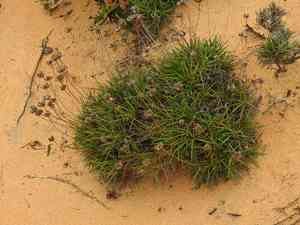
Spiny thrift (Armeria pungens)
Also known as: Sea Thrift, Coastal Thrift
Spiny Thrift, sometimes confused with Allium species due to its spherical purple blooms, is a rare shrub known commonly as the Sea Rose. Its Latin name, Armeria pungens, highlights its spiny stems. This coastal plant is vital for the Spanish Marbled White butterfly (Melanargia ines).
In This Article
Attributes of Spiny thrift
Lifespan
Perennial
Plant Type
Herb
Plant Height
80 cm
Spread
20-30 cm (8-12 inches)
Leaf Color
Green Blue
Flower Size
2 cm to 4 cm
Flower Color
Pink Purple
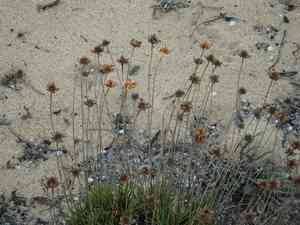
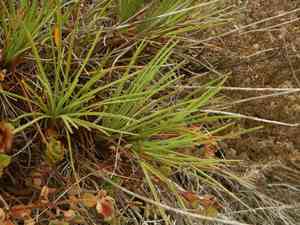
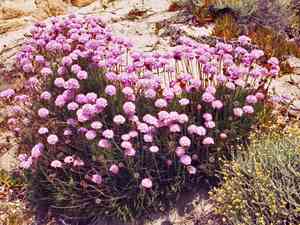
Images of Spiny thrift
Quickly Identify Spiny thrift
1
Look for its characteristic grass-like leaves and round flower heads on long, thin stems. The plant typically grows in clumps and can withstand salty air and dry conditions.
Scientific Classification of Spiny thrift
Phylum
Vascular plants
Class
Dicotyledons
Order
Caryophyllales
Family
Leadwort
Genus
Thrifts
Species
Spiny thrift
Planting and Growing of Spiny thrift
Care Difficulty
Easy
Watering Schedule
Every 2 days
Sunlight Requirements
Full sun
Sunshine Duration
6-10 hours
Ideal Temperature
65-75℉
Soil Type
Potting Mix, Peat Mix
Soil pH
6.5-7.5
Fertilizer Type
Balanced
Pruning Season
Spring, Summer
Pruning Area
Branches, Leaves
Pruning Frequency
2 times a year
Repotting Season
Spring
Pot Type
Plastic, Ceramic
 How to Water Spiny thrift?
Armeria pungens doesn't need too much water. Typically, watering it with about 300ml each session is ideal. The soil should be moist but not soggy, ensuring that excess water can drain efficiently. The plant prefers its soil to dry slightly between watering sessions, reflecting its natural habitat conditions.
What are the symptoms of an underwatered Spiny thrift?
›
What should I do if my Spiny thrift is not getting enough water?
›
What are the symptoms of an overwatered Spiny thrift?
›
How to save an overwatered Spiny thrift?
›
 What Are the Sunlight Requirements for Spiny thrift?
This plant can flourish in full sun to partial sun environments, where it benefits from robust flowering and compact, healthy growth patterns, ensuring a vibrant display.
More About Sunlight Requirements Techniques→
What is the best light condition for Armeria pungens?
›
How to ensure Armeria pungens gets sufficient sunlight?
›
What are the benefits of ideal sunlight for Armeria pungens?
›
 What Is the Ideal Temperature Range for Spiny thrift?
The ideal temperature range for growing Armeria pungens is between 65°F and 75°F. This moderate temperature range ensures optimal growth as the plant thrives in stable conditions similar to its natural habitat. Such temperatures support efficient photosynthesis and metabolism, which are crucial for healthy flowering and foliage development.
 What Soil is Best for Spiny thrift?
Armeria pungens thrives in well-drained soils, preventing root rot and other moisture-related issues. This soil type allows excess water to drain efficiently, ensuring the roots get the right balance of moisture and air. Well-drained soils are especially crucial in areas with high rainfall. This plant is adapted to grow in nutrient-poor conditions. Providing a nutrient-rich soil can lead to excessive leaf growth with reduced flowering. A lean soil ensures that Armeria pungens maintains its compact, striking form, with abundant blooms. Armeria pungens prefers a pH between 6.5 and 7.5, helping to facilitate nutrient uptake and optimal growth. This pH range supports healthy plant structure and vibrant flowers, key to maintaining its ornamental appeal.
 How to Fertilize Spiny thrift?
When fertilizing Armeria pungens, use a balanced liquid fertilizer diluted to half-strength during its growing season. For slow-release fertilizers, ensure the granules are spread evenly around the base of the plant, using approximately one tablespoon per square foot of soil. The goal is to provide the plant with consistent nutrients without overwhelming it.
 How to Prune Spiny thrift?
The best time to prune Armeria pungens is right after it finishes blooming in spring and once more in late summer. Begin by removing any dead or discolored leaves to maintain plant health. Use sharp, clean pruning shears to trim the flower stalks down to the base. This encourages the plant to focus its energy on new growth. Also, thin out the center if it's becoming too dense to improve air circulation.
More About Pruning Techniques→
 How to Propagate Spiny thrift plant?
1
Start by collecting seeds from mature Armeria pungens plants. Sow the seeds in trays filled with seed-starting mix. Place the trays in a warm location with indirect sunlight and keep the soil moist. Germination usually occurs in 2-3 weeks.
2
Take 4-6 inch cuttings from healthy, disease-free plants. Remove the lower leaves and dip the cut end in rooting hormone. Plant the cuttings in a well-draining potting mix and cover with a plastic bag to maintain humidity.
3
Carefully dig up an established Armeria pungens clump. Gently separate the roots into smaller sections, ensuring each section has healthy roots and shoots. Replant the divisions immediately at the same soil depth as the original plant.
 How to Repot Spiny thrift plant?
1
Repotting is necessary when the plant's roots begin to overflow the pot or if soil compaction is noticeable, leading to poor drainage. Ideally, repot in early spring when the plant is gearing up for growth. Ensure the growing conditions are stable to minimize stress.
2
Select a pot that is just one size larger than the current container. Having proper drainage holes is crucial, as it prevents waterlogging which can lead to root rot. A slightly larger pot encourages moderate growth without overwhelming the roots.
3
Opt for a soil mix that enhances drainage, such as a sandy blend. This prevents water retention which is detrimental to Armeria pungens. A well-aerated mix supports healthy root development and mimics their natural coastal environment.



