How to Prune Spiny thrift?
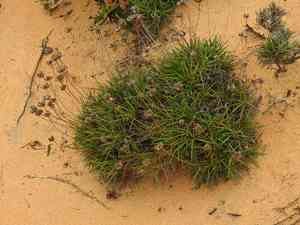
This hardy perennial, recognized for its clustered habit and pointed leaves, flourishes with little upkeep. Trim withered or spent flower stems to stimulate fresh development, concentrating solely on eliminating faded blooms and impaired foliage. Optimal pruning occurs in late winter or early spring to uphold the plant's dense form. Consistent trimming deters excessive density, fosters air movement, and boosts blooming, guaranteeing spiny thrift's lively contribution to the garden.
Advantages of Trimming Spiny Thrift
Advantages of Trimming Spiny Thrift
Trimming spiny thrift promotes robust development and helps maintain its dense shape. By eliminating dead or overgrown stems, spiny thrift can allocate more energy to healthy shoots, improving its overall form and visual appeal.
Optimal Time for Trimming Spiny Thrift
Optimal Time for Trimming Spiny Thrift
Trimming spiny thrift in late winter or early spring is ideal as this period aligns with the plant's dormant phase, preceding its active growth. During dormancy, the plant conserves energy and experiences less stress when pruned. Trimming before new growth begins ensures energy is directed into producing healthy new shoots, resulting in a more structured and vigorous plant during the growing season. Additionally, removing dead or damaged parts of spiny thrift at this time helps prevent diseases and pests attracted to decaying plant material. By pruning before the flowering season, the plant can also dedicate more resources to producing blossoms, enhancing its ornamental value.
Tools Required for Trimming Spiny Thrift
Hand Pruners
Perfect for cutting back faded flowers and slender stems of spiny thrift. The bypass type is preferred for making clean cuts without crushing the plant's delicate tissue.
Shears
Utilize shears for shaping and trimming spiny thrift's mounded foliage, especially to maintain a dense, compact form and encourage bushier growth.
Gloves
Hand protection is crucial when trimming spiny thrift due to its spiny nature. Gloves prevent thorns from causing injury.
How to Trim Spiny Thrift
Sanitize Tools
Before beginning, ensure all cutting implements are clean and disinfected to prevent disease transmission to spiny thrift.
Remove Diseased
Carefully inspect spiny thrift for diseased leaves. Use precise pruning shears to snip these leaves at the base, avoiding damage to healthy sections.
Remove Withered
Identify withered leaves, which are typically dry and brown. Gently cut these leaves off spiny thrift at the base without pulling, to avoid causing stress or injury.
Dispose Of Waste
Dispose of the diseased and withered leaves removed from spiny thrift responsibly, ideally by burning or bagging them rather than composting, to prevent disease spread.
Clean Up
After trimming spiny thrift, clear the area of any fallen debris. Sanitize the tools again to keep them ready for future use.
Common Trimming Errors with Spiny Thrift
Overpruning
Removing too much foliage at once from spiny thrift, which can stress the plant and reduce its vigor.
Cutting Into Old Wood
Pruning into the thick, older wood can harm spiny thrift, as it may not readily produce new growth from these parts.
Neglecting Deadheading
Failing to remove spent flowers regularly can lead to a decrease in blooming for spiny thrift.
Improper Tool Use
Using dull or unclean pruning tools can damage spiny thrift's stems, leading to disease entry and poor healing.
Incorrect Cut Angles
Making cuts at improper angles can result in water pooling on the cut surface of spiny thrift, increasing the risk of disease.
General Trimming Advice for Spiny Thrift
Selective Pruning
Focus on thinning out crowded areas to improve air circulation and light penetration for spiny thrift.
Phased Pruning
Prune gradually over a period of time instead of all at once to maintain the health and structure of spiny thrift.
Deadheading
Regularly remove spent blooms to encourage more flowering and prevent self-seeding for spiny thrift.
Clean Tools
Always use sharp, clean pruning tools to make clean cuts and prevent disease for spiny thrift.
Protective Growth
During pruning, leave enough foliage to protect the plant from harsh conditions and support photosynthesis in spiny thrift.
Cut Healing
Make cuts at an angle so water runs off and away from the center of spiny thrift for better healing and reduced disease risk.



