Enhancing Your Garden Design with the Spiny thrift Plant: A Landscaping Guide
1
Spiny thrift offers both visual charm and functional advantages in garden design.
2
Incorporating Spiny thrift into diverse garden environments can boost aesthetic appeal and ecological variety.
3
Year-round maintenance is crucial for preserving the vitality and attractiveness of Spiny thrift.
Introducing Spiny Thrift to Your Landscape
Appreciating Spiny Thrift's Distinctive Charm
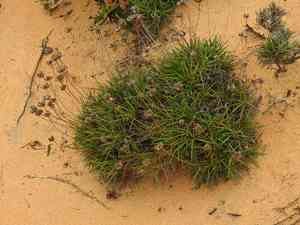
Spiny thrift offers a unique aesthetic with its vibrant hues and prickly texture, making it a focal point in any garden. Its singular characteristics distinguish it from other flora, providing an engaging visual element that can break monotony and add allure to your outdoor space.
Spiny Thrift's Role in Contemporary Garden Designs
Modern landscape designs frequently prioritize sustainability, ease of care, and visual appeal. Spiny thrift perfectly aligns with these principles by offering drought resistance and attractive looks without demanding extensive upkeep. It's ideal for rock gardens, container arrangements, or as a border plant, seamlessly integrating with current garden aesthetics.
Optimal Placement of Spiny Thrift in Garden Layouts
Showcasing Spiny Thrift in Your Front Yard
For a strong initial impression, position Spiny thrift along walkways or near the entry. Its striking appearance will capture attention and create a welcoming atmosphere for guests. Grouped together or paired with complementary plants, Spiny thrift can serve as an elegant foreground that enhances the overall landscape design.
Incorporating Spiny Thrift into Backyard Environments
In your backyard, consider utilizing Spiny thrift as part of rockeries or within mixed borders. Its adaptable nature means it can stand alone in pots or as a mass planting to create vivid patches of color. This versatility not only boosts visual appeal but also generates diverse textural contrasts with other garden elements.
Companion Plants for Spiny Thrift
Selecting Plants that Complement Spiny Thrift's Look
Pairing Spiny thrift with plants exhibiting different growth habits and textures can elevate your garden's visual appeal. Plants such as grasses, small shrubs, or even other perennials with varied leaf shapes and colors can forge a harmonious yet dynamic garden scene. Consider using plants with silver foliage or subdued flowers to make Spiny thrift's vibrant colors stand out.
Understanding the Ecological Advantages of Compatible Plant Pairings
Integrating Spiny thrift with other suitable plants not only enhances beauty but also fosters biodiversity. Companion plants can help attract beneficial insects, improve soil health, and establish a balanced ecosystem. This interconnected planting strategy ensures a flourishing garden that is resilient to pests and diseases.
Seasonal Care Guidelines for Spiny Thrift in Your Garden
Spring and Summer Maintenance for Spiny Thrift
During the active growth periods of spring and summer, Spiny thrift requires consistent watering and occasional fertilization to support its development. Ensure it receives ample sunlight and protect it from pests. Removing spent flowers can encourage more blooms and keep the plant looking neat. Also, check soil drainage to prevent waterlogging.
Autumn and Winter Strategies for Spiny Thrift's Well-being
As temperatures decrease in autumn and winter, Spiny thrift needs less water. Reduce irrigation but ensure the soil doesn't become completely dry. Mulching can help insulate roots from extreme cold. Remove any damaged foliage and prepare the plant by ensuring it is healthy to endure the dormant season.
Utilizing Spiny Thrift for Environmentally Friendly Landscaping
Advantages of Employing Spiny Thrift in Sustainable Landscapes
Spiny thrift is recognized for its low water requirements and minimal maintenance needs, making it an excellent choice for sustainable landscaping. Its drought tolerance reduces the need for frequent irrigation, conserving water and lowering gardening expenses. Furthermore, Spiny thrift's resistance to various pests and diseases means fewer chemical treatments are necessary.
Practices for Maintaining an Eco-Conscious Garden with Spiny Thrift
To maintain an eco-friendly garden with Spiny thrift, adopt sustainable practices such as composting organic matter to enrich the soil, using rainwater harvesting systems for irrigation, and opting for natural pest control methods. Encourage pollinators by providing a diverse range of plants and reduce lawn space to minimize water usage and mowing.



