How to Transplant Spiny thrift?
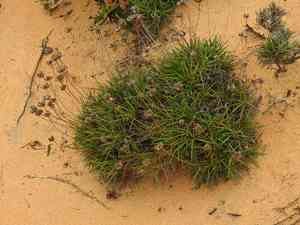
Relocate spiny thrift during late spring to early summer to ensure the best root development. Select a location that receives ample sunlight and has soil that drains effectively. Exercise caution to protect fragile roots throughout the procedure.
What Preparations are Needed Before Transplanting Spiny Thrift?
What is the Ideal Time for Transplanting Spiny Thrift?
Choose the period of rejuvenation, typically from late spring to early summer, for relocating spiny thrift. This timeframe provides the plant with mild temperatures and extended daylight, creating perfect conditions for root development and growth. Moving spiny thrift during this window promotes robust development before the peak summer heat, ensuring better adaptation to its new spot and increased resilience. Additionally, natural spring rainfall can help the newly transplanted spiny thrift stay well-hydrated, reducing the need for extra watering. By selecting this optimal time for transplanting, you are sure to achieve success with your spiny thrift.
How Much Space Should You Leave Between Spiny Thrift Plants?
When planting spiny thrift, ensure each specimen has ample room to thrive. A spacing of 6-12 inches (15-30 cm) between individual plants will be perfectly adequate!
What is the Best Soil Mix for Spiny Thrift Transplanting?
For the healthiest spiny thrift, prepare your garden with soil that drains well. A sandy or loamy base enriched with a balanced, slow-release fertilizer will create optimal conditions for growth.
Where Should You Relocate Your Spiny Thrift?
Spiny thrift loves soaking up the sun! Select a transplanting location where they will receive full sunlight for most of the day to ensure their vigorous growth.
What Equipments Should You Prepare Before Transplantation Spiny Thrift?
Gardening Gloves
To safeguard your hands while handling soil and plants.
Spade or Shovel
For excavating the plant and preparing a new planting site.
Watering Can or Hose
To hydrate the plant before and after its relocation.
Garden Fork
To loosen the earth surrounding the plant's root system.
Pruning Shears
For trimming any damaged roots or foliage prior to transplanting.
Wheelbarrow or Garden Cart
To transport the plant and soil efficiently.
Measuring Tape
To ensure correct spacing between newly placed plants.
Mulch
To aid in retaining soil moisture and regulating temperature around the plant post-transplant.
How Do You Remove Spiny Thrift from the Soil?
How Do You Remove Spiny Thrift from the Soil?
From Ground: First, moisten the spiny thrift plant to soften the soil, making it easier to manage. Next, use a spade or shovel to dig a trench around the plant, being careful not to cut into the root ball. Gently leverage the spade beneath the root ball to lift the plant.From Pot: Water the spiny thrift thoroughly. Hold the plant's base, tilt the pot sideways, and gently tap the pot's bottom to help loosen the root ball. Carefully slide the plant out, avoiding pulling it by its stems or leaves.From Seedling Tray: Water the soil in the tray to facilitate the removal of the spiny thrift seedlings. Use a fork or a small tool to lift each seedling, taking care not to harm the delicate roots.
Step-by-Step Guide for Transplanting Spiny Thrift
Preparation
Ensure all necessary tools are ready. Water the spiny thrift if it's being moved from the ground or a pot to simplify its removal. For seedlings, confirm the tray's soil is damp before starting the transplanting process. Wear gardening gloves to protect your hands throughout.
Root Ball Care
If transplanting from the ground or a pot, use a spade or shovel to carefully dig around the spiny thrift, making sure to keep a generous amount of soil attached to the root ball. For seedlings, gently separate them if they are too close, being careful to preserve their roots.
Transportation
Move the spiny thrift to its new spot. If the plant is large or heavy, use a wheelbarrow or garden cart to prevent injury to the plant or yourself.
Planting Hole
Dig a hole in the new location that is twice as wide as the root ball and of equal depth. This allows the roots ample space to spread.
Placement
Position the spiny thrift in the center of the hole. The top of the root ball should be level with the surrounding soil surface. Backfill the hole with soil, gently firming it down around the roots.
Watering
After planting, thoroughly water the spiny thrift to settle the soil and eliminate air pockets. Ensure the water reaches the root zone.
Mulching
Apply a layer of mulch around the base of the spiny thrift to help maintain soil moisture and regulate soil temperature.
How Do You Care For Spiny Thrift After Transplanting?
Initial Watering
Water the spiny thrift deeply immediately after transplanting to help settle the soil and hydrate the roots. Continue to water regularly, but be careful not to overwater.
Monitoring
Inspect the plant daily for the first couple of weeks, looking for indications of stress such as wilting or discolored leaves.
Adjustments
If needed, slightly adjust the plant's position to ensure it is upright and securely in place.
Mulch
Maintain a consistent layer of mulch around the plant to help protect it as it adapts to its new environment.
Pruning
Remove any damaged or diseased foliage to help the spiny thrift direct its energy towards establishing new roots.
Troubleshooting Common Issues with Spiny Thrift Transplantation.
What's the best time to transplant spiny thrift?
Ideally, transplant spiny thrift during the mild period of late spring to early summer for optimal establishment.
How far apart should I space spiny thrift during transplanting?
Space spiny thrift approximately 6-12 inches (15-30 cm) apart to ensure they have adequate room to thrive.
Why is my spiny thrift wilting after transplanting?
Wilting may be due to transplant shock. Ensure spiny thrift is adequately watered and initially shielded from intense sunlight.
How deep should I plant spiny thrift's roots?
Plant spiny thrift's roots at the same depth they were in the previous container to avoid burying the crown.
How much should I water spiny thrift post-transplant?
Water generously immediately after transplanting, then maintain moderate moisture until spiny thrift is established.
Should I fertilize spiny thrift right after transplanting?
Wait a few weeks post-transplant before fertilizing to prevent root burn while they are settling in.
Can I transplant spiny thrift when it's flowering?
Transplanting spiny thrift during its flowering period can stress the plant. It's best to wait until the blooms have faded.
Does spiny thrift need full sun after transplanting?
While spiny thrift thrives in full sun, provide some shade after transplanting to reduce stress on the plant.
What soil type is best for transplanting spiny thrift?
Utilize well-draining soil with organic matter to support spiny thrift's growth.
How do I know if spiny thrift needs more water after transplanting?
If the soil feels dry an inch (2.5 cm) below the surface, it's time to water spiny thrift.



