How to Propagate Gray alder?
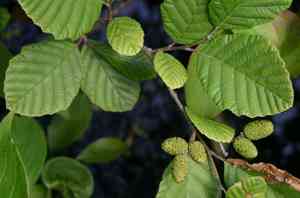
Alnus incana can be propagated via dormant wood cuttings, air layering, and seed dispersal. These techniques are most straightforward during the fall and winter seasons. The ease of propagation differs depending on the chosen method, but indicators of successful propagation include the emergence of new shoots and the development of roots. Essential advice involves employing rooting stimulants and ensuring the growing medium remains damp.
Optimal Time for Gray Alder Propagation
Propagation Method
Cutting
Propagation Period
Autumn,Winter
Tools for Gray Alder Propagation
Pruning shears
Pruning shears are crucial for obtaining cuttings for gray alder propagation. They must be sharp and clean to ensure precise cuts, minimizing damage and preventing pathogen introduction. Their blades can handle the woody stems of gray alder, making them ideal.
Rooting hormone
A rooting hormone is employed to encourage root development from gray alder cuttings. Applying the hormone to the cut stem end can boost rooting success, which is vital for new plant viability.
Planting pots
Planting pots offer an excellent environment for the initial growth phase of gray alder cuttings. They should feature adequate drainage holes to prevent waterlogging, which could otherwise jeopardize the young plants' health.
Sterile potting mix
A sterile potting mix is used to fill pots where gray alder cuttings are planted. Its sterility minimizes disease-causing organisms, promoting a healthy start for the cuttings.
Plastic bags or covers
Plastic bags or covers create a mini-greenhouse effect around the pots, maintaining high humidity levels beneficial for gray alder cuttings. This humidity helps prevent cuttings from drying out before they can root.
Heating mat
For gray alder cuttings, a heating mat can be placed beneath the pots to maintain a consistent and suitable soil temperature, which is essential for stimulating root growth and ensuring propagation success.
Caring for Your Newly Propagated Gray Alder
Caring for Your Newly Propagated Gray Alder
Once gray alder cuttings have rooted and established, transfer them to individual pots with standard potting soil and gradually introduce them to outdoor conditions if outdoor planting is intended. Water regularly to keep the soil consistently moist during establishment. Gray alder thrives in damp areas, so choose an appropriate outdoor site. Mulch around the base to retain moisture and provide nutrients as the plants mature.
Common Errors to Avoid When Propagating Gray Alder
Overwatering
Excessive watering can lead to root rot and fungal infections in gray alder, which prefers moist but well-drained soil.
Using non-viable cuttings
Employing unhealthy or overly mature cuttings may prevent rooting, wasting effort and resources on unsuitable gray alder propagation material.
Ignoring pH levels
Disregarding soil pH levels can be harmful as gray alder prefers slightly acidic to neutral soils for optimal growth, impacting nutrient absorption.
Neglecting humidity
Failing to maintain proper humidity levels can cause gray alder cuttings to dry out before rooting, especially crucial for cutting propagation.
Inadequate sunlight
Too much shade can result in leggy growth and weak establishment, while excessive direct sunlight can stress gray alder cuttings, hindering rooting and growth.
Tips for Propagating Gray Alder
Use semi-hardwood cuttings
Taking semi-hardwood cuttings, which are partially mature, ensures a good balance of growth potential and structural integrity for gray alder.
Prepare soil appropriately
Ensuring the soil is well-draining and has the correct pH level supports healthy root development of gray alder.
Maintain ideal humidity
Using propagation tents or placing gray alder cuttings in humid environments helps prevent desiccation, increasing successful root development chances.
Provide indirect light
Ensuring gray alder cuttings receive indirect but bright light promotes healthy growth without the stress of direct sunlight.
Monitor water levels
Keeping the soil consistently moist, but not waterlogged, aids the rooting process of gray alder without causing rot or other water-related issues.



