The Gray alder Plant Advantage: Maximizing Home and Office Appeal and Wellness
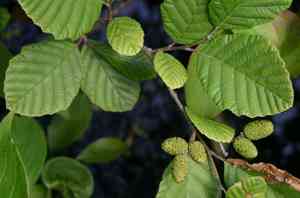
1
Gray alder significantly enhances soil quality through its capacity to fix nitrogen.
2
This species offers crucial living space and sustenance for local fauna.
3
It is a resilient plant capable of flourishing across diverse settings.
How Does Gray alder Improve Soil Health?
Nitrogen Fixation
Gray alder is well-known for its ability to fix nitrogen. It forms a cooperative relationship with nitrogen-fixing bacteria in the soil, converting atmospheric nitrogen into a usable form for plants. This process enriches the soil, boosting its fertility and encouraging the growth of nearby vegetation. As a natural fertilizer, Gray alder supports sustainable agriculture and lessens the need for chemical fertilizers.
Erosion Control
Gray alder plays a crucial role in preventing soil erosion. Its strong root system stabilizes the soil, decreasing the risk of landslides and erosion. This is especially beneficial in areas prone to heavy rainfall or on slopes where soil erosion is a significant concern. By planting Gray alder, landowners can safeguard their soil and maintain the integrity of their land.
What Are the Ecological Benefits of Gray alder?
Habitat for Wildlife
Gray alder offers vital habitat and food for various wildlife species. Birds, insects, and small mammals find refuge and nourishment within its branches and leaves. The plant's blossoms attract pollinators like bees and butterflies, which are essential for maintaining biodiversity. By supporting a diverse range of wildlife, Gray alder contributes to a balanced and healthy ecosystem.
Biodiversity Enhancement
Introducing Gray alder can boost biodiversity in an area. Its presence promotes the growth of other plant species by improving soil quality and creating a welcoming environment for other flora and fauna. This fosters a more diverse and resilient ecosystem, better equipped to withstand environmental shifts and challenges.
How Can Gray alder Enhance Landscape Aesthetics?
Ornamental Value
Gray alder is not only practical but also visually appealing. Its attractive foliage and seasonal changes add visual interest to any landscape. In spring and summer, its leaves provide a lush, green backdrop, while in autumn, they turn a striking yellow. This seasonal variation can enhance the beauty of gardens, parks, and natural spaces.
Planting Flexibility
Gray alder is highly adaptable and can thrive in various environmental conditions, from wet, marshy areas to drier upland regions. This versatility makes it an excellent choice for diverse landscape projects, whether for urban parks, residential gardens, or large-scale reforestation efforts. Its ability to grow in varied environments ensures its suitability for multiple landscaping purposes.
Can Gray alder Contribute to Climate Resilience?
Carbon Sequestration
Like many trees, Gray alder contributes to carbon sequestration. It absorbs carbon dioxide from the atmosphere and stores it in its biomass, helping to mitigate the effects of climate change. By planting Gray alder, communities can contribute to global efforts to reduce atmospheric carbon and combat climate change.
Flood Mitigation
Gray alder can also aid in flood mitigation. Its extensive root system allows the soil to absorb more water, reducing runoff and the likelihood of flooding. This is particularly valuable in urban areas where impermeable surfaces can lead to flooding and water management challenges. Incorporating Gray alder into urban green spaces can improve water management and enhance community resilience to extreme weather events.



