Optimal Fertilizer for Growing Gray alder: What You Need to Know
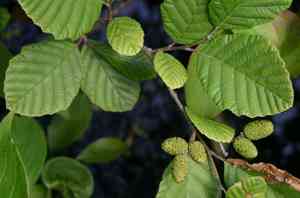
1
Nourishing Gray alder in early spring promotes robust development throughout the warmer periods.
2
A well-rounded nutrient blend, particularly one rich in nitrogen, can boost foliage and stalk formation.
3
Excessive fertilization may cause nutritional disparities and potentially damage the plant, thus adhering to suggested amounts is crucial.
Grasping the Nutritional Requirements of Gray Alder
Pinpoint Essential Nutrients for Gray Alder Vitality
The Gray alder flourishes when it obtains the correct balance of nutrients, especially nitrogen (N), phosphorus (P), and potassium (K). Nitrogen is vital for foliage development and overall vigor, phosphorus aids root growth and blooming, while potassium assists with water absorption and disease resistance. These primary nutrients, along with secondary elements like calcium, magnesium, and sulfur, ensure your Gray alder remains strong and healthy.
The Influence of Soil Quality on Nutrient Uptake
Soil condition significantly affects a plant’s capacity to absorb nutrients. For Gray alder, well-draining soil rich in organic material is ideal. Soil pH should be slightly acidic to neutral, approximately 5.5 to 7.0. Soil testing can guide you in adjusting pH levels and supplementing nutrients as necessary. Proper soil aeration also promotes root development and enhances nutrient absorption.
Selecting the Appropriate Fertilizer for Gray Alder
Comparing Natural vs. Synthetic Fertilizers
When choosing a fertilizer for Gray alder, you can opt for either organic or synthetic choices. Organic fertilizers, such as compost and manure, release nutrients gradually and enhance soil structure over time. They are eco-friendly but might take longer to show results. Synthetic fertilizers, conversely, deliver nutrients rapidly and are precisely formulated, offering immediate benefits but without the long-term soil improvements. Consider your gardening objectives and environmental impact when making your decision.
Understanding Application Frequency and Dosage for Fertilizing
The frequency and amount of fertilizer application can determine the health of your Gray alder. Generally, fertilizing once in early spring is sufficient for the entire growing season. Use a balanced formula like 10-10-10 (N-P-K) at a rate of about 450 grams (1 pound) per tree or per square meter (1.1 pounds per 10 square feet). Always adhere to the manufacturer’s instructions to prevent over-fertilizing, which can cause burn or nutrient imbalances.
Optimal Practices for Fertilizing Gray Alder
Step-by-Step Guide to Fertilizer Application
To fertilize your Gray alder, follow these steps:Begin by watering the soil around the tree's base to help dissolve and distribute the fertilizer.Measure the recommended amount of fertilizer.Evenly spread the fertilizer around the tree's drip line, which is directly beneath the outer edge of the tree’s canopy.Lightly rake the soil to incorporate the fertilizer.Water the soil again to help activate the fertilizer and prevent it from being blown away.
Seasonal Fertilization: When to Nourish Your Gray Alder
The best time to fertilize your Gray alder is in early spring. This timing aligns with the tree's active growth period, allowing the tree to utilize the nutrients effectively for leaf and stem development. Avoid fertilizing in late autumn or winter as this can stimulate new growth that may not endure the cold. Spring fertilization supports vigorous growth and prepares the tree for the upcoming hot summer months.
Monitoring Gray Alder Health Post-Fertilization
Indicators of Adequate Nutrition in Gray Alder
A properly fertilized Gray alder displays several signs of good health: vibrant green foliage, consistent new growth, and a sturdy structure. You might also observe increased resistance to pests and diseases. Regularly observing these indicators helps you determine if your fertilization plan is effective.
Addressing Common Problems: Excessive Fertilization and Deficiencies
Over-fertilization can result in yellowing leaves, brown leaf tips, and stunted growth. To correct this, flush the soil with ample water to remove excess salts. Nutrient deficiencies often manifest as poor growth or discolored leaves. For instance, a nitrogen deficiency shows as weak growth and pale leaves, while a potassium deficiency may cause leaf edges to turn yellow. Resolve deficiencies by adjusting your fertilizer regimen or enhancing your soil health with organic matter.



