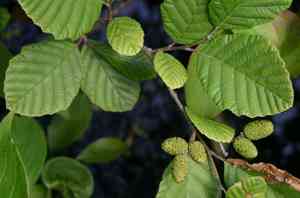
Gray alder (Alnus incana)
Also known as: Hoary-leaved alder, White alder, Tag alder, European white alder
The alder tree, specifically the gray alder, is a deciduous perennial known for its fruiting cones that release winged seeds dispersed by the wind. This tree is environmentally beneficial due to its root nodules housing nitrogen-fixing bacteria, which enhance soil fertility. The gray alder is a fast-growing species with a relatively short life span, resembling a large shrub.
In This Article
Attributes of Gray alder
Lifespan
Perennial
Plant Type
Tree
Plant Height
12 m to 18 m
Spread
12 m
Leaf Color
Green
Flower Size
4.5 cm to 9 cm
Flower Color
Yellow Brown Green
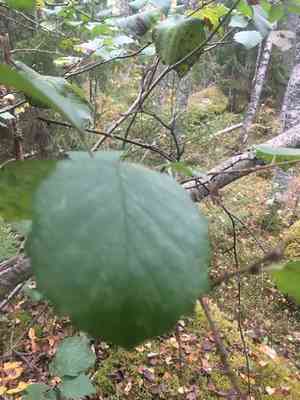
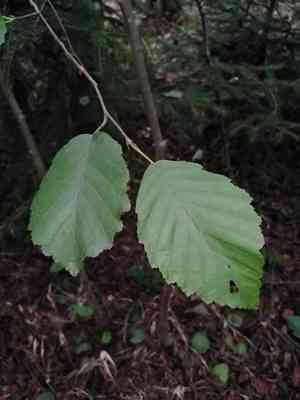
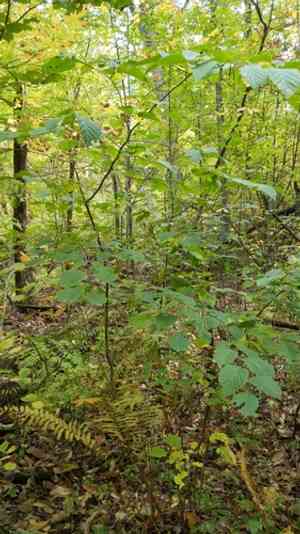
Images of Gray alder
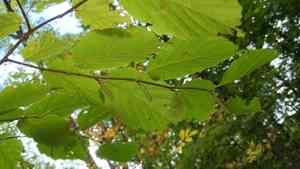
Quickly Identify Gray alder
1
Gray Alder can be identified by its smooth, gray bark which may become fissured with age. The leaves are ovate with serrated edges, and the male catkins are long and pendulous, while the female catkins are short and woody.
Scientific Classification of Gray alder
Phylum
Vascular plants
Class
Dicotyledons
Order
Fagales
Family
Birch
Genus
Alders
Species
Gray alder
Planting and Growing of Gray alder
Care Difficulty
Easy
Watering Schedule
Every 3 days
Sunlight Requirements
Full sun
Sunshine Duration
6-12 hours
Ideal Temperature
60-70℉
Soil Type
Potting Mix, Peat Mix
Soil pH
5.5-7.5
Fertilizer Type
Balanced
Pruning Season
Spring, Summer
Pruning Area
Branches, Leaves
Pruning Frequency
2 times a year
Repotting Season
Spring
Pot Type
Plastic, Ceramic
 How to Water Gray alder?
Alnus incana prefers a moist environment, so ensure the soil remains consistently damp but not waterlogged. When watering, aim for around 500 ml per session, checking the soil to a depth of two inches to ensure it's moist but not soggy.
What are the symptoms of an underwatered Gray alder?
›
What should I do if my Gray alder is not getting enough water?
›
What are the symptoms of an overwatered Gray alder?
›
How to save an overwatered Gray alder?
›
 What Are the Sunlight Requirements for Gray alder?
Alnus incana thrives in full sun to partial sun, receiving 6 to 8 hours of direct sunlight daily. Adequate sunlight ensures robust growth, vibrant leaves, and a healthy canopy formation.
More About Sunlight Requirements Techniques→
Ideal Light Amount
›
How to Achieve Ideal Lighting
›
Benefits of Ideal Light
›
 What Is the Ideal Temperature Range for Gray alder?
The ideal temperature range for cultivating Alnus incana is between 60°F and 70°F. This range supports optimal growth and ensures the plant's physiological functions are not compromised.
 What Soil is Best for Gray alder?
Alnus incana thrives best in soils that retain moisture well without becoming waterlogged. These conditions mimic its natural habitat near wet areas, offering the roots consistent hydration and nutrient availability. Soils rich in organic matter suit Alnus incana because they supply essential nutrients needed for vigorous growth. The nitrogen-fixing ability of this plant further enhances the soil's fertility over time. While preferring moist soils, Alnus incana requires good drainage to prevent root rot. The combination of moisture and aeration creates an optimal environment, fostering robust root development.
More About Soil→
 How to Fertilize Gray alder?
When fertilizing Alnus incana, it's essential to apply a balanced nutrient mix. Use approximately 200 grams of granular fertilizer per square meter during the growing season. Ensure the soil is moist before applying liquid fertilizers to avoid root burn.
More About Fertilizing Techniques→
 How to Prune Gray alder?
Begin by examining the tree to identify any dead, damaged, or diseased branches. These should be the first to go, as removing them promotes health and prevents the spread of disease. When pruning, aim to maintain the tree's natural shape by selectively trimming back overgrown branches. This helps keep the tree aesthetically pleasing while encouraging robust growth. Make your cuts at a 45-degree angle just above a node or bud. This technique helps in channeling water away from the cut, reducing the risk of rot and promoting quicker healing.
More About Pruning Techniques→
 How to Propagate Gray alder plant?
1
For seed propagation, collect seeds from mature Alnus incana catkins in the autumn. Store them in a cool, dry place until you are ready to plant them in early spring.
2
Sow seeds in seed trays filled with well-draining soil in early spring. Lightly cover them with soil and mist with water to keep the soil moist. Place the trays in a location with bright, indirect sunlight.
3
For cutting propagation, take healthy cuttings from a mature Alnus incana in early spring. Ensure each cutting is about 6 inches long, with a couple of leaves for optimal root development.
 How to Repot Gray alder plant?
1
Repot Alnus incana when roots overfill the pot or growth slows significantly. Resilient to stress, this tree signals a need for more space by roots emerging from drainage holes or a noticeable slowdown in growth. Optimal repotting times are early spring or autumn to align with its natural growth cycle.
2
Select a pot that's one size larger than the current one to allow room for root expansion. Ensure it has ample drainage holes to prevent waterlogging, which can lead to root rot. A slightly heavier pot can help anchor this plant, providing stability during its growth spurts.
3
Opt for a well-draining, loamy soil to support Alnus incana's roots, ensuring a balance of moisture retention and drainage. This type of soil provides the roots with adequate aeration, which is crucial for healthy growth, preventing root rot, and supporting nutrient uptake.



