Enhancing Your Garden Design with the Starleaf begonia Plant: A Landscaping Guide
1
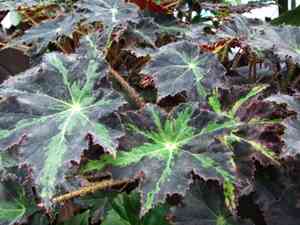
The Starleaf begonia is recognized for its unique foliage, making it a prominent feature in any garden setting.
2
Thoughtful placement of Starleaf begonia can establish impressive visual anchors within your garden design.
3
Effective companion planting alongside Starleaf begonia can enhance the development and vitality of nearby flora.
Appreciating the Aesthetic Qualities of Starleaf Begonia
Discovering the Distinctive Leaf Shape of Starleaf Begonia
Starleaf begonia showcases a unique leaf structure that instantly enhances your garden's visual appeal. Its star-shaped foliage is not only striking but also comes in various green hues, often with intricate vein patterns. This unusual form makes Starleaf begonia a delightful addition, as the textures create depth and complexity in your landscape. The leaves can vary in size, adding a dynamic element whether planted in groups or as individual specimens. This adaptability allows Starleaf begonia to blend well with other plants, improving your garden's overall beauty.
Color Scheme: How Starleaf Begonia Enhances Your Garden
The color range of Starleaf begonia offers a refreshing green that can vary from bright, vivid tones to more subdued shades. These colors can complement a wide array of other plants, making Starleaf begonia a versatile choice for various garden designs. Whether you're aiming for a tranquil, single-color theme or a bold, contrasting arrangement, Starleaf begonia can fit perfectly. The subtle color variations in the leaves also provide a natural gradient effect, boosting visual interest and making your garden more attractive.
Seasonal Transformations: Adjusting Hues and Textures
Starleaf begonia adapts well to seasonal changes, which is a valuable characteristic for any garden plant. During spring and summer, the leaves might display more vibrant colors and lush textures, while in autumn, they can take on a richer, deeper green. This flexibility ensures that Starleaf begonia consistently contributes to the garden's aesthetic, regardless of the season. This dynamic quality keeps your garden looking fresh and engaging throughout the year, helping to maintain visual interest through the changing seasons.
Strategic Positioning of Starleaf Begonia in Your Garden
Creating Visual Highlights with Starleaf Begonia
One of the best ways to use Starleaf begonia in your garden is by making it a focal point. Thanks to its distinctive leaves and visual charm, Starleaf begonia can attract attention and serve as a stunning centerpiece. Place it in areas where it can be easily seen, such as near entrances, garden paths, or patios. By doing so, you create visually captivating points of interest that elevate your landscape's design. The unique structure of Starleaf begonia ensures that it stands out, making it a conversation starter and an eye-catching feature.
Achieving Garden Balance with Starleaf Begonia
Achieving a balanced garden layout often involves combining various plants to create harmony, and Starleaf begonia can play a crucial role in this. Its medium size and vibrant leaves can act as a link between larger shrubs and smaller ground cover plants. This intermediate position helps create a sense of flow and continuity in your garden. By using Starleaf begonia as a transitional element, you ensure that your garden has a cohesive look, with no abrupt changes in plant heights or textures. The result is a well-balanced and harmonized landscape.
Shade and Light: Locating the Optimal Spot for Starleaf Begonia
Starleaf begonia thrives best in partial to full shade conditions, making it ideal for those challenging spots in your garden that don't receive ample sunlight. When planting Starleaf begonia, consider placing it under taller trees or in the shadow of larger structures where it can receive filtered sunlight. This placement not only ensures healthy growth but also adds layers to your garden's vertical space. It's important to monitor the amount of light Starleaf begonia receives, as too much direct sunlight can scorch its leaves, while too little light can hinder its development.
Companion Planting with Starleaf Begonia
Ideal Companion Plants for Starleaf Begonia in a Landscape
Starleaf begonia pairs well with a variety of plants, making it easy to integrate into your garden's design. Consider pairing it with ferns, hostas, or astilbes, which thrive in similar light conditions. These plants can complement Starleaf begonia's leaf texture and color, creating a lush and layered appearance. Additionally, combining Starleaf begonia with flowering plants like impatiens or begonias can add bursts of color, enhancing the overall visual appeal of your garden. The key is to select plants that have similar water and light requirements to ensure harmonious growth.
Benefiting Other Plants: The Role of Starleaf Begonia
Starleaf begonia can also play a supportive role in your garden by helping to retain soil moisture and reduce weed growth around its base. Its broad leaves provide shade to the soil, thereby decreasing evaporation and keeping the root zone cool and moist. This, in turn, benefits the roots of nearby plants by maintaining a more stable environment. Moreover, Starleaf begonia's dense foliage can act as a natural mulch, suppressing weed growth and reducing the competition for nutrients. By strategically planting Starleaf begonia, you can create a healthier and more productive garden ecosystem.
Preventing Plant Conflicts: What to Avoid Planting Near Starleaf Begonia
While Starleaf begonia is quite adaptable, it's essential to avoid planting it near certain aggressive species that can outcompete it for resources. For example, invasive ground covers or overly vigorous climbers can overshadow Starleaf begonia, depriving it of necessary nutrients, water, and light. Additionally, avoid planting Starleaf begonia next to plants with vastly different water needs, as this can complicate irrigation efforts. Identifying and steering clear of these potential clashes will help maintain a balanced and thriving garden, allowing Starleaf begonia and its companion plants to flourish harmoniously.
Seasonal Care Advice for Starleaf Begonia in Landscaping
Spring and Summer Care for Optimal Development
To ensure Starleaf begonia thrives during the spring and summer months, focus on consistent watering and regular feeding. These seasons are when Starleaf begonia experiences its most vigorous growth, so maintaining consistent soil moisture is crucial. Fertilize with a balanced, slow-release fertilizer to support healthy leaf development and overall vitality. Keep an eye out for pests or diseases, and take immediate action if any issues arise. Regularly prune any damaged or yellowing leaves to encourage new growth and maintain the plant's aesthetic appeal.
Autumn and Winter Strategies to Safeguard Starleaf Begonia
As autumn arrives, begin to prepare Starleaf begonia for the colder months by reducing the frequency of watering to prevent root rot in damp soil conditions. Applying a layer of mulch around the base can help insulate the roots from extreme temperature fluctuations. In areas with harsh winters, consider moving Starleaf begonia into pots and placing them in a sheltered location or bringing them indoors if possible. Protecting Starleaf begonia from frost and cold winds is essential to ensure it survives and continues to beautify your garden when spring returns.



