How to Transplant Starleaf begonia?
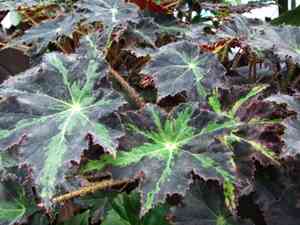
Transplanting starleaf begonia is beneficial during the period of revitalization, usually spring, to facilitate strong root development. Select a spot offering filtered light and effective water runoff. Carefully managing the root mass guarantees a seamless adjustment.
What Preparations are Necessary Before Relocating Starleaf Begonia?
When is the Best Time for Moving Starleaf Begonia?
The ideal period for relocating starleaf begonia is during the spring season. This timing allows starleaf begonia to establish its root system prior to the summer heat, encouraging vigorous growth. Embrace this nurturing phase â it provides a strong foundation for vitality!
How Much Distance Should You Maintain Between Starleaf Begonia Plants?
Good news! Extensive space isn't required. Aim to position starleaf begonia at least 1-2 feet (30-60 cm) apart. This ensures ample room for growth and flourishing without competition for resources. So, grab your measuring tape and begin planning your garden layout.
What is the Optimal Soil Blend for Starleaf Begonia Relocation?
Regarding soil, starleaf begonia prefers it rich and well-drained. We suggest utilizing a sandy loam soil, enriched with organic matter. A foundational fertilizer rich in phosphorus, such as bone meal, will aid in developing strong roots. It's a simple additional step that will guarantee healthy plants.
Where Should You Move Your Starleaf Begonia?
Location is crucial! Starleaf begonia thrives in partial shade. A spot that receives gentle morning sun but is protected from harsh afternoon rays would be perfect. Remember: not too much sun, just enough. Safeguard your starleaf begonia from scorching and maximize its vibrant hues!
What Equipment Should You Prepare Before Transplanting Starleaf Begonia?
Gardening Gloves
To safeguard your hands while handling soil and starleaf begonia.
Shovel or Spade
Utilized for excavating the hole for your starleaf begonia in its new spot and for extracting it from its original location.
Garden Trowel
Useful for making minor adjustments to the planting hole or managing young plants.
Watering Can
Enables you to hydrate the plant before and after relocation.
Gardening Fork
Assists in loosening the soil around the plant during transplanting.
Pruning Shears
Essential for trimming off any dead or diseased branches, if present.
Compost
To provide your starleaf begonia with a favorable start in its new location, consider incorporating compost into the planting hole. This will enhance soil structure and fertility.
How Do You Extract Starleaf Begonia from the Soil?
How Do You Extract Starleaf Begonia from the Soil?
From Ground: The initial step is to water your starleaf begonia plant to moisten the soil. Next, using your shovel or spade, dig a wide trench around the plant, ensuring the plant's root ball remains intact. Carefully work the spade beneath the root ball to lift the plant from its current position. Remember, gentleness and patience are paramount during this process.From Pot: Begin by watering your potted starleaf begonia plant. Run a trowel along the inside edges of the pot to separate the plant from the container. Invert the pot and gently tap it so the plant, along with its root ball, slides out.From Seedling Tray: Water the seedlings, then carefully lift them out using a small trowel or your fingers. Ensure you handle each seedling by its leaves, not the stem, and try to retain as much soil around the roots as possible.
Step-by-Step Guide for Relocating Starleaf Begonia
Preparation
Start by preparing a hole for your starleaf begonia plant in its new spot. The hole should be twice as wide and as deep as the plant's root ball. Additionally, if needed, add compost to the hole, as it can aid in the plant's growth.
Insertion
Carefully place your starleaf begonia plant into the hole. Be sure to position the plant so its base is at the same level as the surrounding ground to ensure uniform growth.
Backfilling
Once your starleaf begonia is in position, fill the hole with soil, pressing down gently to remove any air pockets.
Watering
After you've finished planting, thoroughly water your starleaf begonia. This helps the soil settle around the root ball.
How Do You Care For Starleaf Begonia After Relocation?
Watering
Continue to water your starleaf begonia consistently as it adapts to its new environment. Be cautious not to overwater, as this can lead to root rot.
Pruning
After transplanting, your starleaf begonia might require some pruning to remove damaged or diseased branches. This helps the plant direct its energy towards producing new, healthy growth.
Insect and Disease Control
Monitor for any pests or signs of illness. If observed, take immediate appropriate action to prevent its spread.
Pampering
Beyond the above, show some affection to your starleaf begonia, communicate with it, and nurture it. Plants respond positively to good energy. Trust me, I'm a gardener.
Troubleshooting Common Issues with Starleaf Begonia Relocation.
During which season should I move my starleaf begonia?
The optimal time to relocate your starleaf begonia is during the mild seasons, which occur between late winter and early summer.
What's the ideal spacing to maintain between starleaf begonia during relocation?
For optimal development, maintain a distance of approximately 1-2 feet (30-60 cm) between each starleaf begonia when transplanting.
Why is my newly relocated starleaf begonia wilting?
Wilting can be attributed to stress from transplanting. Ensure you water the starleaf begonia thoroughly immediately after moving it and maintain consistent moisture levels thereafter.
Is it important to trim starleaf begonia before relocating?
Yes, pruning helps redirect starleaf begonia's energy towards root development. Remove damaged or excessively large leaves, but donât overdo it.
Why are the leaves on my recently moved starleaf begonia turning yellow?
Yellowing leaves can indicate water stress. Starleaf begonia prefers well-drained soil, so avoid overwatering. Always allow the top inch of soil to dry out before watering again.
Should I fertilize starleaf begonia immediately after relocating?
Avoid fertilizing immediately after transplanting as it might overwhelm the starleaf begonia. Wait until you observe new growth appearing before commencing regular feeding.
What size container should I use when relocating starleaf begonia?
Select a container that is approximately twice the size of the current root ball. This provides the starleaf begonia with room to grow without becoming pot-bound.
How deep should I plant starleaf begonia when relocating?
Dig a hole that is twice as wide and equal in depth to starleaf begonia's original pot. This allows roots to easily spread out and grow.
How should I care for starleaf begonia post-relocation?
Keep the newly transplanted starleaf begonia in a slightly shaded area and avoid direct intense sunlight for the first few weeks to prevent transplant shock.
Do I need to water starleaf begonia immediately after relocating?
Yes, water the starleaf begonia thoroughly right after transplanting. Ensure the water drains out properly to prevent water-logging.



