The Starleaf begonia Plant Advantage: Maximizing Home and Office Appeal and Wellness
1
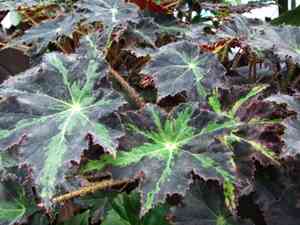
Recognized for its impressive leaves, the Starleaf begonia can beautify any interior or exterior area.
2
This plant is quite simple to care for, making it an excellent option for both new and seasoned plant enthusiasts.
3
Starleaf begonia possesses air-cleansing properties, enhancing the general air quality within your residence.
Key Advantages of Starleaf Begonia
Visual Charm
Starleaf begonia is celebrated for its distinctively shaped leaves, resembling stars, which impart a unique visual appeal to any setting. Its vibrant green foliage can serve as a central feature in your living area or a verdant complement to your patio garden. The unusual leaf pattern and coloration can enhance various interior designs and outdoor landscaping themes.
Effortless Care
A prominent characteristic of Starleaf begonia is its undemanding nature. This plant flourishes in diverse conditions, making it suitable for both indoor and outdoor environments. It requires moderate watering and can adjust to different light levels, though it prefers indirect sunlight. This ease of care makes Starleaf begonia an excellent option for those who may lack gardening expertise or time for intensive plant maintenance.
How Starleaf Begonia Enhances Indoor Air Quality
Natural Air Purifier
Beyond its visual appeal, Starleaf begonia functions as a natural air purifier. Plants are recognized for their capacity to absorb pollutants through their leaves, and Starleaf begonia is no exception. It aids in eliminating toxins like formaldehyde and benzene from the air, contributing to a healthier and cleaner living space. Integrating Starleaf begonia into your home decor can therefore support improved respiratory health for you and your household.
Humidity Control
Starleaf begonia is also beneficial for regulating indoor humidity levels. Plants release moisture into the atmosphere through a process known as transpiration. By introducing Starleaf begonia to your home, you can naturally elevate humidity, which can be especially helpful in arid climates or during winter months when indoor air can become excessively dry. This can assist in reducing instances of dry skin, respiratory issues, and other health concerns linked to low humidity.
Why Starleaf Begonia is Perfect for Indoor and Outdoor Decor
Adaptability
Starleaf begonia's versatility is another reason for its popularity among plant enthusiasts. It can be cultivated in pots, hanging baskets, or directly in the ground in appropriate climates. Its adaptability makes it a flexible choice for various decor styles and garden layouts. Whether you favor a minimalist indoor setup or a lush, tropical outdoor garden, Starleaf begonia can seamlessly integrate into your aesthetic vision.
Cultivating a Peaceful Environment
Plants generally have been shown to have a calming effect on individuals, and Starleaf begonia is no different. Its presence can foster a serene and tranquil atmosphere, helping to alleviate stress and enhance mood. The sight of its vibrant leaves can be an excellent way to boost mental well-being, making it a fantastic addition to home offices, living rooms, or any space where you seek calm.
Why Starleaf Begonia is a Sustainable Option
Environmental Impact
Opting for Starleaf begonia is a step towards a more sustainable lifestyle. Cultivating plants such as Starleaf begonia can contribute to reducing your carbon footprint. Plants absorb carbon dioxide and release oxygen, playing a crucial role in combating climate change. By growing Starleaf begonia, you are not only beautifying your surroundings but also supporting environmental conservation efforts.
Propagation and Growth
Starleaf begonia also offers the advantage of easy propagation. This means you can grow multiple plants from a single parent plant, making it a cost-effective and sustainable choice. By propagating Starleaf begonia, you can expand your green space without needing to purchase additional plants, further contributing to environmental conservation by lessening the demand for commercially grown plants.



