How to Prune Starleaf begonia?
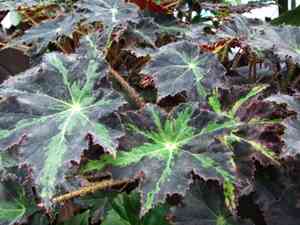
A perennial tropical plant, starleaf begonia exhibits remarkable foliage featuring star-like leaves. To achieve peak development, eliminate faded blossoms and any withered or compromised leaves by severing them near the primary stalk. The most suitable period for pruning is in spring, which fosters a denser form. Light trimming can persist through summer and autumn. This practice improves air movement, lowers the likelihood of illness, and stimulates robust development. Guarantee hygiene by sanitizing instruments to avert the dissemination of pathogens.
Advantages of Trimming Starleaf Begonia
Advantages of Trimming Starleaf Begonia
Trimming starleaf begonia is crucial for encouraging flowering, fostering a robust growth pattern, and maintaining its desired shape. Strategic cuts improve air circulation and light exposure, vital for plant vigor and bloom production, while also deterring potential pest and disease infestations.
Optimal Period for Trimming Starleaf Begonia
Optimal Period for Trimming Starleaf Begonia
Trimming in the Spring benefits starleaf begonia by preparing it for vigorous growth, clearing away dead or damaged foliage from winter. This aligns with its natural growth cycle when the plant's energy is directed towards new development. Early Summer trimming helps maintain form and promotes a bushier habit by thinning out excessive growth, which enhances air circulation and light penetration, leading to a healthier plant. Early Fall trimming is ideal as it allows starleaf begonia to recover before dormancy, but it should be completed well before frost to prevent new growth susceptible to cold damage. Trimming during these seasons avoids disrupting the plantâs flowering period and ensures it has time to heal and strengthen before potentially stressful winter conditions.
Necessary Tools for Trimming Starleaf Begonia
Precision Pruners/Scissors
Given starleaf begonia's delicate nature and relatively small leaves, precision pruners or fine-tipped scissors enable accurate cuts without harming surrounding foliage. These tools allow gardeners to target specific areas for trimming, such as removing dead leaves or shaping the plant without causing undue stress to starleaf begonia.
Bypass Pruners
For thicker stems on starleaf begonia, bypass pruners are a suitable option. They deliver a clean cut essential for the plant's health, minimizing disease risk. Bypass pruners operate like scissors, with two curved blades that slide past each other, reducing damage to plant tissues. This makes them perfect for precise cuts on starleaf begonia.
Micro-Tip Snips
For routine maintenance and trimming of starleaf begonia, micro-tip snips can be quite convenient. Their small, sharp blades are ideal for reaching into dense foliage without harming other parts of the plant. This tool also aids in deadheading and removing any unwanted growth to preserve the aesthetic appeal of starleaf begonia.
Tool Disinfectant
To prevent the spread of disease and pests while trimming starleaf begonia, it is vital to disinfect pruning tools before and after use. A simple solution like alcohol or diluted bleach can be used to sterilize the tools, ensuring the health and longevity of starleaf begonia.
How to Trim Starleaf Begonia
Sanitize Tools
Ensure all trimming tools are disinfected before beginning to prevent the spread of plant diseases to starleaf begonia. Use a solution of 1 part bleach to 9 parts water to clean the blades.
Remove Diseased Leaves
Carefully inspect starleaf begonia for any signs of diseased leaves, which may exhibit spots, discoloration, or deformities. Gently trim these leaves at their base where they connect to the stem, using sharp, clean shears.
Eliminate Withered Leaves
Identify withered or dead leaves on starleaf begonia. These are typically dry, brown, and may be crumpled. Cut these leaves at the base to encourage healthy growth and airflow within the plant.
Trim Withered Flowers
Locate withered flowers on starleaf begonia and trim them at the nearest healthy leaf, node, or stem junction. This deadheading process promotes new blooms and maintains the plant's appearance.
Shape Plant
After removing unwanted parts, assess the overall shape of starleaf begonia and make additional selective cuts to create a balanced, aesthetically pleasing form. Avoid excessive trimming, which can stress the plant.
Common Trimming Errors with Starleaf Begonia
Excessive Trimming
Removing too much foliage at once can stress starleaf begonia, leading to fewer leaves and blooms. It's important not to remove more than one-third of the plant at any given time.
Cutting Healthy Growth
Sometimes, gardeners mistakenly cut away healthy leaves and stems, which can limit starleaf begonia's growth and flowering potential. Focus on removing only the dead or damaged parts.
Using Dull Tools
Dull trimming tools can cause jagged cuts that make starleaf begonia more vulnerable to disease. Sharp, clean tools create a precise cut that heals more quickly.
Ignoring Plant Shape
Trimming without considering the natural shape of starleaf begonia can result in an unbalanced and unattractive appearance. Aim to maintain its natural form for aesthetic and health reasons.
Trimming Too Often
Frequent trimming is unnecessary and can be harmful. Starleaf begonia typically requires trimming only when it's essential to shape or remove unhealthy growth.
General Trimming Advice for Starleaf Begonia
Sterilize Tools
Always use sterilized trimming tools to prevent the spread of disease to or from starleaf begonia. This can be achieved using bleach, alcohol, or specialized disinfectant.
Trim Selectively
Remove only dead, diseased, or overcrowded stems and leaves to ensure starleaf begonia has good air circulation and light penetration, which are crucial for healthy growth.
Cut At An Angle
Make angled cuts just above a leaf node or bud to encourage new growth. Angled cuts help to prevent water accumulation, which could lead to rot or disease.
Aftercare
After trimming starleaf begonia, provide suitable aftercare, such as watering, to reduce stress and support recovery. A balanced fertilization can also promote new growth.



