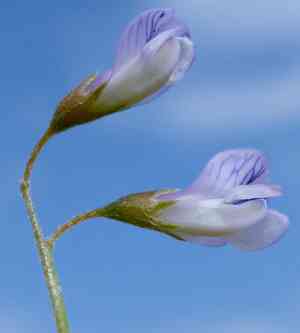
Lentil vetch (Vicia tetrasperma)
Also known as: Smooth tare, Sparrow vetch, Four-seed vetch
Field bindweed (Convolvulus arvensis) is an annual herb with a vining growth habit, notorious for its invasiveness. Originating from Europe, Asia, and northern Africa, it thrives in open fields and disturbed areas. The name "bindweed" reflects its tendency to entwine itself around other plants, showcasing its climbing nature.
In This Article
Attributes of Lentil vetch
Lifespan
Annual
Plant Type
Herb, Vine
Plant Height
60 cm
Spread
Opens, spreads laterally
Leaf Color
Green Blue
Flower Size
3-5 mm
Flower Color
White Purple
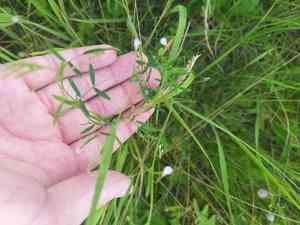
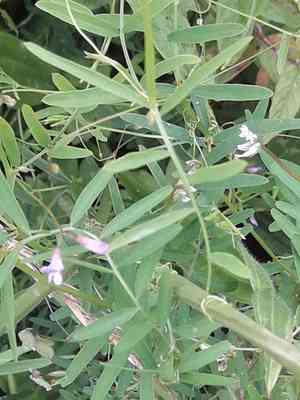
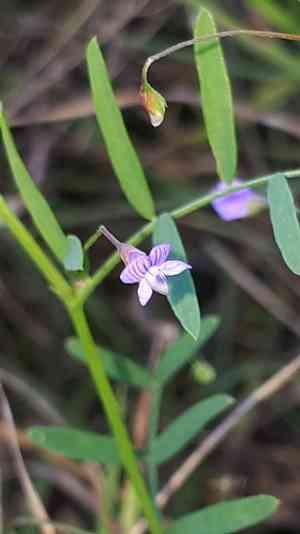
Images of Lentil vetch
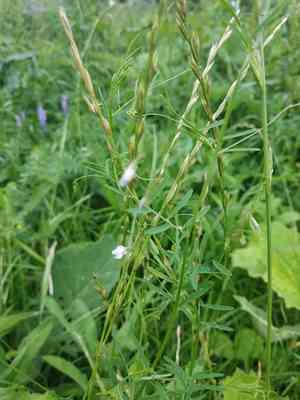
Quickly Identify Lentil vetch
1
The plant can be identified by its smooth, hairless stems and compound leaves with 4-8 leaflets. Its flowers are small, typically pale blue or white, and grow in pairs. The seed pods usually contain four seeds, which is characteristic of the species.
Scientific Classification of Lentil vetch
Phylum
Vascular plants
Class
Dicotyledons
Order
Legumes, milkworts and allies
Family
Legume
Genus
Vetches
Species
Lentil vetch
Planting and Growing of Lentil vetch
Care Difficulty
Easy
Watering Schedule
Every 3 days
Sunlight Requirements
Partial sun
Sunshine Duration
6-10 hours
Ideal Temperature
65-75℉
Soil Type
Potting Mix, Peat Mix
Soil pH
6-8
Fertilizer Type
Balanced
Pruning Season
Spring, Summer
Pruning Area
Branches, Leaves
Pruning Frequency
2 times a year
Repotting Season
Spring
Pot Type
Plastic, Ceramic
 How to Water Lentil vetch?
Each watering session should provide Vicia tetrasperma with about 200 milliliters of water. Ensure the soil is moistened but not waterlogged. The goal is to provide enough hydration to reach the root zone while allowing excess water to drain out. It's crucial to base watering on both the plant's current environment and weather conditions, ensuring the top layer of soil has dried before watering again.
What are the symptoms of an underwatered Lentil vetch?
›
What should I do if my Lentil vetch is not getting enough water?
›
What are the symptoms of an overwatered Lentil vetch?
›
How to save an overwatered Lentil vetch?
›
 What Are the Sunlight Requirements for Lentil vetch?
Vicia tetrasperma prefers partial sun, meaning it thrives in environments where it receives 3-6 hours of sun daily. This lighting helps maintain its vigor, ensuring good growth and health.
More About Sunlight Requirements Techniques→
How much sunlight does Vicia tetrasperma need?
›
How to provide ideal light conditions for Vicia tetrasperma?
›
Benefits of ideal light for Vicia tetrasperma
›
 What Is the Ideal Temperature Range for Lentil vetch?
The ideal temperature range for Vicia tetrasperma is between 65°F and 75°F. This range ensures optimal growth and productivity, allowing the plant to develop healthy foliage and strong root systems. Consistent temperatures within this range also help to avoid stress, which can lead to issues such as stunted growth or reduced flowering.
 What Soil is Best for Lentil vetch?
Vicia tetrasperma thrives in well-drained soil conditions. Adequate drainage prevents waterlogged conditions that can lead to root rot and ensures the roots have enough oxygen. This promotes healthy growth and improves nutrient uptake, resulting in a more robust plant. Rich, fertile soil is ideal for Vicia tetrasperma, as it requires ample nutrients for optimal growth. Incorporating organic matter, such as compost or well-rotted manure, can significantly enhance soil fertility, providing necessary nutrients and improving soil structure. A light soil texture, such as loam or sandy, is favorable for Vicia tetrasperma. Such textures provide ease of root penetration and expansion, facilitating better access to moisture and nutrients, and reducing resistance for growing roots.
 How to Fertilize Lentil vetch?
For Vicia tetrasperma, use liquid fertilizer mixed at half strength, approximately 1 tablespoon per gallon of water. For solid fertilizers, opt for a thin layer, about a quarter-inch, of well-composted organic matter spread evenly across the soil surface.
 How to Prune Lentil vetch?
Begin by examining the plant to determine parts that appear overcrowded or imbalanced. Gradually thin the plant by removing excess growth to improve air circulation and light penetration. Always make cuts at a 45-degree angle 1/4 inch above a leaf node. This technique helps the plant redirect energy to new shoots and ensures rainwater doesn't collect on cut surfaces, reducing the risk of rot.
More About Pruning Techniques→
 How to Propagate Lentil vetch plant?
1
To propagate Vicia tetrasperma, start by acquiring quality seeds from a reputable source. Soak seeds in water for 12 hours to enhance germination rates as this softens the seed coat.
2
Distribute the soaked seeds evenly on the seed tray filled with fine soil mix. Gently press the seeds into the soil surface, ensuring they are covered lightly with soil to protect from drying out.
3
Water the soil gently to keep it consistently moist but not waterlogged. Place the tray in a warm, bright location, avoiding direct sunlight to prevent overheating which can evaporate moisture.
 How to Repot Lentil vetch plant?
1
Vicia tetrasperma shows signs of needing repotting when you observe roots growing out of the drainage holes or when the plant's growth appears stunted. These are clear indicators that the current pot is too small for the plant's root system, and it’s time to move to a larger space. Repotting ensures that the plant can continue to thrive without being root-bound.
2
Select a pot that is 1-2 inches larger in diameter than the current one, with ample drainage holes to prevent waterlogging. A pot made from breathable materials like terracotta is ideal, as it allows excess moisture to evaporate, reducing the risk of root rot and fostering an environment where Vicia tetrasperma can flourish.
3
Opt for a loamy, well-draining soil mix enriched with organic matter. This type of soil ensures that the plant receives adequate nutrients and maintains the right balance of moisture retention and drainage. Such a soil mixture helps avoid water stagnation, which can lead to root ailments.
Learn More About Lentil vetch Diseases
Anthracnose
Bacterial Leaf Spot
Bacterial Wilt
Crown Gall
Cyst Nematode
Damping-off
Downy Mildew
Drought Stress
Fusarium Wilt
Gray Mold
Leaf Curl
Leaf Spot
Mosaic
Nutrient Deficiency
Nutrient Toxicity
Powdery Mildew
Root Rot
Root-knot Nematode
Rusts
Sooty Mold
Spider Mites
Temperature Stress
Thrips Damage
White Mold



