The Lentil vetch Plant Advantage: Maximizing Home and Office Appeal and Wellness
1
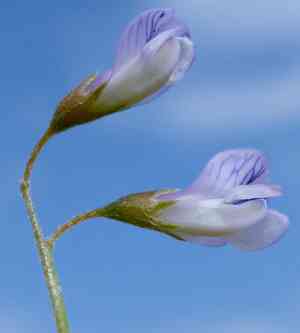
Lentil vetch serves as a beneficial forage crop, supplying vital nourishment to farm animals.
2
Lentil vetch improves ground richness by fixing nitrogen.
3
This plant provides a home for diverse organisms, increasing ecological variety.
What Makes Lentil Vetch Unique?
Nutrient-Rich Forage Plant
A key advantage of Lentil vetch is its function as a highly nutritious forage plant. It supplies vital nutrients for livestock, such as proteins, vitamins, and minerals. This can improve livestock health and output, making it a valuable addition to grazing areas.
Nitrogen Fixation Boosts Soil Fertility
Lentil vetch possesses a remarkable capacity to fix atmospheric nitrogen into the soil. This process enriches the soil with nitrogen, lessening the need for synthetic fertilizers. This not only cuts costs for farmers but also fosters healthier, more sustainable farming methods by preserving soil vitality.
How Does Lentil Vetch Support Biodiversity?
Habitat for Diverse Species
Lentil vetch offers an excellent habitat for various species, including insects, birds, and small mammals. By providing refuge and a food source, it supports the local ecosystem and contributes to increased biodiversity. This, in turn, cultivates a more resilient and balanced environmental system.
Pollinator Attraction
Another significant advantage of Lentil vetch is its ability to draw in pollinators like bees and butterflies. Pollinators are crucial for the reproduction of many plants, including agricultural crops. By bolstering pollinator populations, Lentil vetch indirectly enhances crop yields and the overall productivity of farming landscapes.
How Can Farmers Incorporate Lentil Vetch Into Their Practices?
Crop Rotation and Cover Cropping
Farmers can effectively integrate Lentil vetch into their operations through crop rotation and cover cropping. By planting Lentil vetch between main crops, farmers can decrease soil erosion, suppress weeds, and improve soil structure. This approach not only benefits the soil but also boosts the yields of subsequent crops.
Intercropping Systems
Intercropping Lentil vetch with other crops is another practice offering numerous benefits. This method maximizes land use, enhances crop diversity, and reduces the occurrence of pests and diseases. Additionally, Lentil vetch's nutrient-sharing capability helps improve the growth and health of nearby crops, leading to better overall farm productivity.
What Are the Environmental Benefits of Lentil Vetch?
Reduction of Chemical Fertilizers
Lentil vetch's nitrogen-fixing ability significantly lessens reliance on chemical fertilizers. This reduction has profound environmental advantages, including decreased soil degradation, lower greenhouse gas emissions, and reduced water pollution from fertilizer runoff. Consequently, it promotes sustainable farming practices and a healthier environment.
Carbon Sequestration
Beyond improving soil health, Lentil vetch also contributes to carbon sequestration. By capturing and storing carbon dioxide from the atmosphere, it helps mitigate the impacts of climate change. This ecological service provided by Lentil vetch is vital for maintaining ecological balance and promoting sustainable environmental practices.



