How to Prune Lentil vetch?
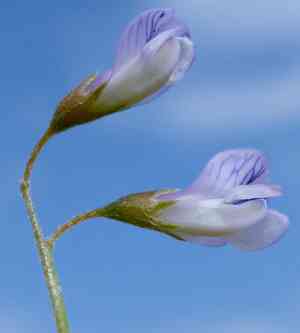
A delicate, ascending yearly plant, lentil vetch thrives with consistent trimming to foster robust development and proper ventilation. The most suitable periods for pruning extend from spring to autumn, aligning with its active growth periods. Essential methods involve shortening elongated tendrils and eliminating deceased or frail stalks to preserve its form and vitality. Pruning additionally aids in controlling potential congestion and bolsters the plant's well-being by diminishing the likelihood of illness, thereby guaranteeing a strong and fruitful plant.
What Are the Benefits of Pruning Lentil Vetch?
What Are the Benefits of Pruning Lentil Vetch?
Trimming lentil vetch promotes robust development by eliminating dead or overgrown sections, thereby improving nutrient distribution. Shaping the plant through strategic cuts maintains its desired form and size, contributing to a neat garden appearance.
What Is the Best Time for Pruning Lentil Vetch?
What Is the Best Time for Pruning Lentil Vetch?
Trimming lentil vetch in early Spring stimulates vigorous growth as the plant emerges from dormancy, preparing for its active period. Early Summer pruning is advantageous for shaping the plant and managing its size, ensuring sunlight and air circulation reach the inner foliage, which is vital for plant health and disease prevention. Light pruning in early Fall should only remove dead or diseased parts, to avoid new growth that could be harmed by impending frosts. These timings align with lentil vetch's natural growth cycle, preventing stress during flowering or fruiting and enhancing overall plant vitality.
What Tools Do I Need to Prune Lentil Vetch?
Bypass Hand Pruners
Perfect for making precise cuts on lentil vetch, bypass hand pruners are accurate and cause minimal harm to the plant's delicate stems.
Gardening Scissors
These are suitable for snipping thin stems and foliage of lentil vetch, allowing gardeners to shape the plant or harvest its parts with precision.
Pruning Shears
For cutting back lentil vetch or severing slightly thicker stems, pruning shears offer a good balance of accuracy and strength.
How to Prune Lentil Vetch
Clean tools
Before beginning the trimming process, ensure cutting tools are clean and sterilized to prevent disease transmission to lentil vetch.
Identify
Thoroughly examine lentil vetch to pinpoint withered leaves for removal. Look for leaves that are brown, dry, and brittle.
Cut withered leaves
Using the sterilized pruning shears, carefully snip the withered leaves at their base, close to the main stem of lentil vetch, being careful not to harm new growth or stems.
Disinfect
After each cut, sanitize the pruning shears to prevent the spread of potential infections to other parts of lentil vetch.
Dispose
Gather and discard withered leaves and any other pruned material away from lentil vetch to prevent the potential spread of diseases or pests.
Common Pruning Mistakes with Lentil Vetch
Over-pruning
Removing too much foliage at once can stress lentil vetch and impede its growth. It is essential to prune only the necessary amount.
Incorrect cuts
Making jagged or torn cuts can damage lentil vetch and increase its susceptibility to disease. Clean, sharp cuts are vital for the plant's health.
Pruning healthy growth
Indiscriminate trimming of healthy stems and leaves can diminish the vigor of lentil vetch. Focus on dead, diseased, or overcrowded sections.
Ignoring plant structure
Disregarding the natural form of lentil vetch can result in an unbalanced shape and reduced productivity.
Pruning without sterilizing
Using unsterilized tools can introduce pathogens to lentil vetch, risking infection.
Common Pruning Tips for Lentil Vetch
Clean tools
Utilize sterilized, sharp pruning shears to make clean cuts and prevent disease spread.
Selective thinning
Remove only the essential stems that are dead, damaged, or diseased to encourage better air circulation and light penetration for lentil vetch.
Maintain plant form
Trim lentil vetch to preserve its natural shape, fostering a stronger, more aesthetically pleasing plant structure.
Support structure
As lentil vetch is a climbing plant, provide a trellis or support system to guide its growth and facilitate easier pruning of unnecessary tendrils.
Regular inspection
Frequently check lentil vetch for dead or unhealthy growth to prune as needed, encouraging more robust and prolific flowering.



