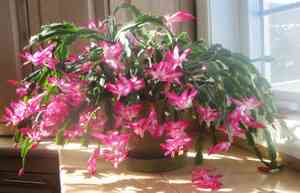
Schlumbergera russelliana (Schlumbergera russelliana)
Also known as: Easter Cactus
Schlumbergera russelliana, a type of cactus species belonging to the family Cactaceae, is native to a compact segment of the coastal mountains in south-eastern Brazil. It thrives in humid forest environments and commonly grows on trees, functioning as an epiphyte. Remarkably, this plant contributes as one of the progenitors of many widely-liked houseplants, often referred to as Christmas cactus or Thanksgiving cactus.
In This Article
Attributes of Schlumbergera russelliana
Lifespan
Perennial
Plant Height
30-45 cm
Spread
30 cm
Leaf Color
Green
Flower Size
1-3 cm
Flower Color
White to pink
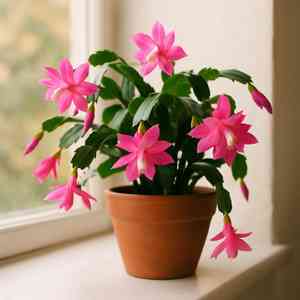
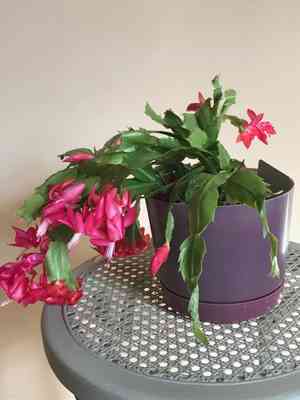
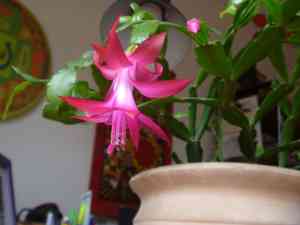
Images of Schlumbergera russelliana
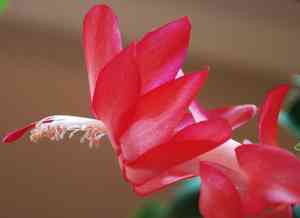
Quickly Identify Schlumbergera russelliana
1
Identified by its corolla of 8-12 pages, sharply pointed teeth and white to pink-colored flowers.
Scientific Classification of Schlumbergera russelliana
Phylum
Magnoliophyta
Class
Magnoliopsida
Order
Caryophyllales
Family
Cactaceae
Genus
Schlumbergera
Species
S. russelliana
Planting and Growing of Schlumbergera russelliana
Care Difficulty
Easy
Watering Schedule
Every 2 days
Sunlight Requirements
Partial sun
Sunshine Duration
4-8 hours
Ideal Temperature
60-70℉
Soil Type
Potting Mix, Peat Mix
Soil pH
6.5-7.5
Fertilizer Type
Balanced
Pruning Season
Spring, Summer
Pruning Area
Branches, Leaves
Pruning Frequency
2 times a year
Repotting Season
Spring
Pot Type
Plastic, Ceramic
 How to Water Schlumbergera russelliana?
The watering amount for Schlumbergera russelliana should be enough to thoroughly soak the soil, but water should not sit at the bottom of the pot. A good rule is about 200 milliliters, allowing the soil to dry slightly between watering sessions. Water until you observe slight drainage from the pot's bottom to ensure the roots receive adequate moisture without waterlogging.
What are the symptoms of an underwatered Schlumbergera russelliana?
›
What should I do if my Schlumbergera russelliana is not getting enough water?
›
What are the symptoms of an overwatered Schlumbergera russelliana?
›
How to save an overwatered Schlumbergera russelliana?
›
 What Are the Sunlight Requirements for Schlumbergera russelliana?
Schlumbergera russelliana prefers partial sun to full shade environments. Ideal lighting fosters healthy growth and beautiful blooming, as it optimizes photosynthesis while preventing the plant from incurring heat-related stress.
What is the ideal lighting condition for Schlumbergera russelliana?
›
How can you achieve the ideal lighting for this plant?
›
What are the benefits of providing ideal lighting?
›
 What Is the Ideal Temperature Range for Schlumbergera russelliana?
The ideal temperature range for Schlumbergera russelliana, commonly known as the Christmas Cactus, is typically between 60°F and 70°F. Within this range, the plant can efficiently handle photosynthesis and resist stress, leading to optimal growth and beautiful flowering.
 What Soil is Best for Schlumbergera russelliana?
Schlumbergera russelliana thrives in well-draining soil that prevents water logging. This characteristic is crucial as it mimics their natural habitat where they attach to trees and rocks rather than grow in soil, ensuring that their roots do not rot. This plant benefits from soil enriched with organic material and natural compost, which provides essential nutrients for healthy growth and flower production. A nutrient-rich medium promotes vibrant and lush foliage. The soil should be lightweight to support proper air circulation around the roots, which is vital for the plant's overall vigor. A light texture prevents compaction and supports healthy root development.
 How to Fertilize Schlumbergera russelliana?
For Schlumbergera russelliana, the amount of fertilizer should be modest. Liquid fertilizers should be diluted to half-strength, applied once a month during the growing season. For slow-release fertilizer, use a balanced formulation, carefully following the package directions to avoid over-fertilization, especially avoiding nitrogen heavy blends.
 How to Prune Schlumbergera russelliana?
Begin by examining your Schlumbergera russelliana for any damaged, discolored, or yellowing segments. These should be your primary targets for removal. Using gentle pressure with your fingers or a pruning tool, pinch off segments just above a joint. This helps maintain the aesthetic shape of the plant and encourages new growth. Trim to maintain the desired shape of the plant, ensuring that air can circulate through branches and that light can penetrate for optimal health and flowering.
 How to Propagate Schlumbergera russelliana plant?
1
Choose a healthy and mature segment with multiple leaves or pads. The segment should be firm and free from any signs of disease or damage, ensuring a strong start for the new plant.
2
Use a sterilized knife or scissors to cut the segment just below the joint. Let the cutting dry and callous over for a couple of days to prevent rotting when planted.
3
Plant the dry, calloused segment into slightly moist cactus or succulent soil. The soil should be well-draining to prevent rot. Keep the segment in a warm spot with indirect light until roots develop.
 How to Repot Schlumbergera russelliana plant?
1
Schlumbergera russelliana, commonly known as the Christmas Cactus, shows signs that it needs repotting when you observe roots poking from drainage holes, slow growth, or that the soil dries out too quickly. Ideally, repot this plant after it has finished its blooming period in late spring or early summer when it enters a more dormant phase, minimizing the stress on the plant.
2
Select a pot that is only slightly larger than the current one since Christmas Cacti prefer to be a bit root-bound. The pot should have adequate drainage holes to prevent waterlogging, which can lead to root rot. Using a pot with terracotta material can help manage moisture levels by facilitating evaporation.
3
Pick a well-draining cactus or succulent mix that contains materials like pine bark, perlite, and some coconut coir. These components ensure proper aeration and drainage, reducing the risk of root rot, and mimicking the plant's natural habitat.



