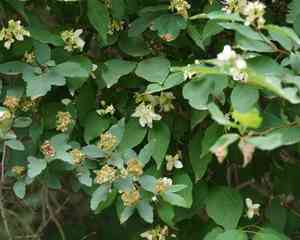
Mock orange (Philadelphus pekinensis)
Also known as: Peking mock-orange
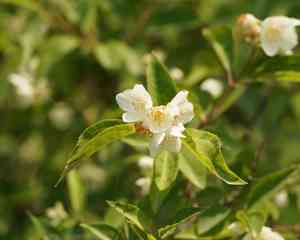
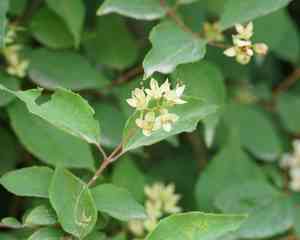
Philadelphus pekinensis, also known as mock orange or 太平花 (tai ping hua), is a deciduous shrub that typically reaches a height of 1 to 2 meters (approximately 3 to 7 feet). Native to northern and western China, as well as Korea, this plant features fragrant flowers about 1 inch in diameter, which bloom in small clusters.
In This Article
Attributes of Mock orange
Lifespan
Perennial
Plant Type
Shrub
Plant Height
1.2 m to 1.8 m
Spread
1.2 m to 1.8 m
Leaf Color
Green
Flower Size
2.5 cm
Flower Color
White
Images of Mock orange
Quickly Identify Mock orange
1
To identify Peking mock-orange, look for a shrub with arching branches and peeling bark. Its white, fragrant flowers appear in clusters during late spring to early summer. The leaves are ovate to lanceolate and have serrated edges.
Scientific Classification of Mock orange
Phylum
Vascular plants
Class
Dicotyledons
Order
Dogwoods, hydrangeas, and allies
Family
Hydrangea
Genus
Mock oranges
Species
Mock orange
Planting and Growing of Mock orange
Care Difficulty
Easy
Watering Schedule
Every 2 days
Sunlight Requirements
Partial sun
Sunshine Duration
4-8 hours
Ideal Temperature
60-75℉
Soil Type
Potting Mix, Peat Mix
Soil pH
6.5-7.5
Fertilizer Type
Balanced
Pruning Season
Spring, Summer
Pruning Area
Branches, Leaves
Pruning Frequency
2 times a year
Repotting Season
Spring
Pot Type
Plastic, Ceramic
 How to Water Mock orange?
For Philadelphus pekinensis, watering should aim to moisten the soil thoroughly, allowing water to reach a depth of 20-25 cm. This deep watering ensures that the roots are adequately hydrated without causing waterlogging. The soil should feel damp but not soaked - a condition where excess water is dripping from the bottom of the pot is to be avoided.
What are the symptoms of an underwatered Mock orange?
›
What should I do if my Mock orange is not getting enough water?
›
What are the symptoms of an overwatered Mock orange?
›
How to save an overwatered Mock orange?
›
 What Are the Sunlight Requirements for Mock orange?
Philadelphus pekinensis prefers partial sun, ideally receiving 4-6 hours of light. This balance ensures robust growth and a healthy, blooming appearance.
What type of sunlight is ideal?
›
How can I achieve the ideal lighting condition?
›
What benefits does ideal lighting provide?
›
 What Is the Ideal Temperature Range for Mock orange?
For optimal growth and health, it is recommended to maintain Philadelphus pekinensis within an ideal temperature range of 60 to 75 degrees Fahrenheit. This range ensures that the plant's physiological processes are not stressed, allowing for proper photosynthesis, nutrient uptake, and overall metabolism.
 What Soil is Best for Mock orange?
Philadelphus pekinensis thrives in well-drained soils where excess water does not linger. Well-drained conditions prevent root rot and other moisture-related issues, encouraging strong root development and vigorous growth. Rich, fertile soil is preferred for optimal growth. Such soils provide the necessary nutrients that support healthy foliage and robust flowering, ensuring that the plant can achieve its full ornamental potential. This plant requires soil that retains moderate moisture without becoming waterlogged. Sufficient moisture supports sustained blooming and helps the plant cope with hot and dry spells.
 How to Fertilize Mock orange?
For Philadelphus pekinensis, it's essential to apply a balanced amount of fertilizer to encourage robust growth. When using liquid fertilizer, dilute it to half the recommended strength to avoid root burn. For solid fertilizers, use around 1/4 cup or 50 grams per application, ensuring it's evenly distributed around the plant's base.
 How to Prune Mock orange?
Philadelphus pekinensis, commonly known as mock orange, thrives best with annual pruning in early spring. Begin by removing any dead or damaged branches to promote healthy growth. Use sharp, sterilized pruning shears to cut back long, overgrown branches. Focus on creating a balanced shape by trimming the branches just above outward-facing buds. This encourages new growth and enhances the plant’s natural arching form, ensuring an abundance of fragrant blooms in the following flowering season.
More About Pruning Techniques→
 How to Propagate Mock orange plant?
1
Choose healthy and vigorous stems from the parent plant for taking cuttings. Ideally, these should be semi-hardwood and at least 4-6 inches long. Trim right below a node and remove the lower leaves to prepare them for planting.
2
Use a well-draining soil mix suitable for cuttings. Mixing equal parts of sand and peat can create an optimal environment for root development, ensuring the cuttings do not rot.
3
Insert the prepared cuttings into the soil up to a depth where at least one node is covered. Firmly press the soil around the base to provide support and water the cuttings thoroughly to settle the soil.
 How to Repot Mock orange plant?
1
Keep an eye for signs like the plant outgrowing its pot or roots coming out of the drainage holes. These signals indicate that the Philadelphus pekinensis is ready for a new, spacious home to continue its healthy growth.
2
Select a pot that is one size larger than the current pot. Ensure it has adequate drainage holes to prevent waterlogging. This ensures the roots have ample space to grow and air circulation is optimal, promoting healthy root development.
3
Opt for a well-draining loamy soil mix. Such soil retains necessary moisture yet allows excess water to drain away, preventing root rot, ensuring balanced nutrition and promoting vigorous growth for your plant.



