How to Prune Mock orange?
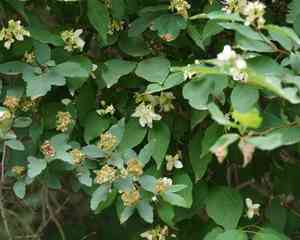
Celebrated for its aromatic white blossoms, mock orange flowers on mature wood. Consequently, trim mock orange during late winter or early spring prior to the emergence of new shoots. Eliminate any deceased, impaired, or excessively dense branches to foster vigorous blooming and improved air movement. Periodically reducing older stalks every few years aids in revitalization. Trimming not only sculpts the shrub but also boosts its general well-being and floral presentation, rendering it crucial for preserving its decorative charm.
What Are the Benefits of Pruning Mock Orange?
What Are the Benefits of Pruning Mock Orange?
Trimming mock orange promotes robust development and helps maintain its desired form. Regular trimming encourages healthier, stronger branches and blossoms, enhancing both the plant's visual appeal and structural soundness.
What Is the Best Time for Pruning Mock Orange?
What Is the Best Time for Pruning Mock Orange?
Pruning mock orange in late winter and early spring is beneficial as it coincides with the plant's dormant phase just before new growth begins. This timing ensures that pruning wounds heal quickly and that the plant's energy is directed towards producing vigorous new growth in spring. Additionally, since mock orange flowers on old wood, pruning after the emergence of new spring growth could lead to a reduction in flowering potential. Pruning within this recommended window helps maintain plant health, shape, and enhances flowering performance for the upcoming season.
What Tools Do I Need to Prune Mock Orange?
Hand Pruners
Perfect for making precise cuts on thinner stems and branches of mock orange. Hand pruners are excellent for removing dead or diseased wood and for shaping the plant during late winter or early spring pruning sessions. Their compact, manageable size allows for accurate cuts that help maintain the health and aesthetic of mock orange.
Loppers
Most suitable for cutting thicker branches, typically up to 2 inches in diameter, which are common in mature specimens of mock orange. The long handles provide leverage to make clean cuts without damaging the plant, essential for promoting healthy growth and flowering.
Pruning Saw
Required for removing larger branches that are more than 2 inches thick. The saw allows for cutting through thicker growth that hand pruners and loppers cannot handle, ensuring that any extensive pruning required for shaping or rejuvenating mock orange is done effectively and safely.
Gardening Gloves
Important for protecting the hands from thorns and rough branches while handling mock orange. Gloves also provide a better grip on tools, enhancing safety and precision during the pruning process.
How to Prune Mock Orange
Identify
Identify and mark the diseased and dead branches on mock orange, along with any withered or diseased leaves. Look specifically for signs such as discoloration, wilting, and visible damage.
Disinfect
Before starting the pruning process, disinfect your pruning shears or scissors. Use a solution of 1 part bleach to 9 parts water to prevent spreading infections to healthy parts of mock orange.
Remove dead branches
Carefully remove all dead branches by cutting them at their point of origin from the main stem or at a lateral branch. Make clean cuts to prevent damage to the bark and remaining healthy tissue of mock orange.
Trim diseased leaves
Trim off diseased and withered leaves from mock orange. Make your cuts close to the base of each leaf to ensure complete removal of potentially infected material. Avoid tearing leaves to prevent creating entry points for disease.
Cleanup
Clean up all removed parts from around mock orange to avoid further spread of disease and pests. Dispose of the waste properly, not in your compost pile, to prevent contamination.
Common Pruning Mistakes with Mock Orange
Overpruning
Removing too much growth at once can stress mock orange, leading to reduced flowering and a weakened plant. It is imperative to avoid cutting off more than a third of the plant's overall growth during a single pruning session.
Improper cut locations
Cutting mock orange too far above or directly at a bud can result in unsightly stubs or damage to emerging shoots. Cuts should be made just above outward-facing buds to encourage proper growth direction.
Using dull tools
Utilizing dull pruning tools can damage the stems of mock orange, leading to jagged cuts that poorly heal. This mistake can open the plant up to disease and pest infestations.
Common Pruning Tips for Mock Orange
Selective thinning
For mock orange, it's beneficial to thin out congested branches to improve light penetration and air circulation through the canopy, which helps reduce the incidence of diseases.
Post-flowering pruning
Since mock orange blooms on old wood, pruning should be done soon after flowering to shape the plant and remove any dead or diseased wood. This timing allows new growth to mature and flower the next season.
Tool maintenance
Ensure that all pruning tools are sharp and clean before starting. Clean cuts help mock orange heal faster and reduce the risk of spreading diseases between plants.



