The Mock orange Plant Advantage: Maximizing Home and Office Appeal and Wellness
1
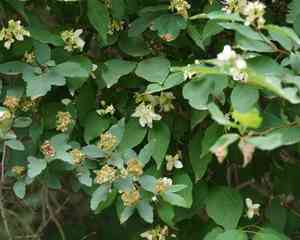
Philadelphus features lovely, aromatic white blossoms that draw in beneficial insects.
2
This species is quite versatile, flourishing in diverse soil compositions and environmental settings.
3
Philadelphus serves as a superb hedge or decorative bush because of its thick leaf cover.
What Are the Visual and Sensory Benefits of Mock orange?
Aesthetics and Landscaping
Mock orange is celebrated for its striking white blooms, which can serve as a captivating focal point in any garden. The plant's elegant flowers beautifully contrast with its rich, green foliage, offering a lively and calming effect. Whether utilized as a solitary ornamental shrub or incorporated into a mixed border, Mock orange enhances the beauty of any landscape.
Fragrance Delight
Beyond its visual appeal, Mock orange is renowned for its intoxicating aroma. The sweet scent of its flowers fills the air, making it a delightful addition to patios, outdoor seating areas, or even beneath windows for a refreshing breeze indoors. This natural perfume can create a tranquil and inviting atmosphere, aiding relaxation and improving your overall outdoor experience.
How Does Mock orange Benefit Local Wildlife?
Attracting Pollinators
A significant ecological advantage of Mock orange is its capacity to draw in pollinators. Bees, butterflies, and other beneficial insects are attracted to its flowers, which provide essential nectar and pollen. By cultivating Mock orange in your garden, you contribute to the local ecosystem's well-being and help sustain crucial pollinator populations vital for the reproduction of many plants.
Providing Habitat
Mock orange also offers shelter for various small creatures and birds. Its dense leaves provide cover and nesting locations, creating a miniature sanctuary for wildlife within your garden. This can lead to increased biodiversity and a more dynamic and engaging outdoor space, making your garden not only more attractive but also more vibrant and ecologically balanced.
How Adaptable Is Mock orange to Different Growing Conditions?
Soil and Sunlight Requirements
Mock orange displays remarkable adaptability, capable of flourishing in diverse soil types, from sandy to clayey. It prefers well-drained soil but can endure occasional damp conditions. This versatility makes Mock orange an excellent choice for various garden environments. Furthermore, it thrives in both full sun and partial shade, offering flexibility in its placement within your landscape design.
Drought Tolerance
Once established, Mock orange is relatively drought-resistant, requiring less watering compared to some other ornamental plants. This characteristic makes it an ideal option for gardeners in areas with inconsistent rainfall or those aiming to reduce their water consumption. Its resilience ensures your garden remains lush and vibrant even during dry periods, minimizing overall garden upkeep.
Can Mock orange Be Used for Practical Landscaping?
Hedges and Privacy Screens
Mock orange's dense and bushy growth habit makes it perfect for use as a hedge or privacy barrier. When planted in a row, it forms a natural screen that can define spaces, offer seclusion, and add structure to your landscape. Its ability to grow to a considerable height and width ensures it effectively blocks unwanted views and enhances the sense of privacy in your garden.
Erosion Control
The robust root system of Mock orange can assist with soil stabilization, making it an excellent choice for preventing erosion on slopes and embankments. By planting Mock orange in these areas, you can prevent soil loss and improve the overall health of your garden or landscape. This functionality highlights the practical value of Mock orange beyond its decorative qualities.
What Are the Care and Maintenance Tips for Mock orange?
Pruning and Shaping
Regular trimming is crucial to maintain the desired form and size of Mock orange. Prune after the blooming season to encourage new growth and denser foliage. Removing dead or damaged branches will keep the plant healthy and promote more abundant flowering in the subsequent season. Shaping Mock orange can also enhance its role as a hedge or ornamental feature.
Pest and Disease Management
Mock orange is relatively resistant to pests and diseases, making it a low-maintenance option for gardeners. However, monitoring for common issues like aphids or fungal infections is recommended. Natural pest control methods, such as introducing beneficial insects or using organic sprays, can help manage any problems that arise. Proper spacing and air circulation will also reduce disease risks, ensuring Mock orange stays healthy throughout the year.



