How to Propagate Mock orange?
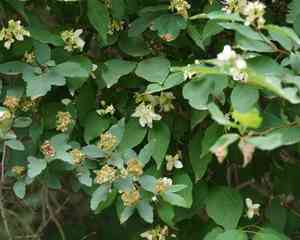
Philadelphus is generally multiplied via cuttings. To ensure successful cultivation, it's crucial to choose robust, pathogen-free stems. Employ a sharp, sterilized implement for making incisions, and apply a rooting stimulant to the severed tip to encourage root formation. Insert the cuttings into a potting blend that drains effectively, making sure they remain damp and in a shaded location until their root systems are established. Maintaining a consistent environment aids in achieving superior rooting, usually indicated by fresh foliage.
Optimal Period for Mock Orange Propagation
Propagation Method
Cutting
Propagation Season
Autumn,Winter
Tools Required for Mock Orange Propagation
Sharp Pruning Shears
Crucial for making clean, precise cuts, sharp pruning shears are essential for harvesting mock orange cuttings. A clean cut helps prevent infection and promotes quicker root development.
Rooting Hormone Powder
Encourages quicker and healthier root development when applied to the base of mock orange cuttings. This improves the likelihood of successful propagation by boosting root initiation and preventing fungal infections.
Sterilized Potting Mix
Utilizing a sterile potting mix ensures that mock orange cuttings are planted in a disease-free environment, which is vital for the delicate phase of root development. It should be well-draining and nutrient-balanced to support growth.
Plant Pots with Drainage Holes
These containers offer an ideal setting for the initial growth of mock orange cuttings. Drainage holes are necessary to prevent waterlogging, which can lead to root rot and other moisture-related ailments.
Plastic Covers or Humidity Domes
Maintaining elevated humidity around mock orange cuttings is critical during root development. Humidity domes or plastic covers over the pots help retain moisture and warmth, creating an optimal micro-environment for rooting.
Watering Can with a Fine Rose
Allows for gentle irrigation of mock orange cuttings without disturbing the soil or newly forming roots. The fine rose attachment provides a soft, rain-like flow, which is ideal for keeping young plants adequately hydrated without oversaturation.
How to Propagate Mock Orange?
Propagation Type
Moderately Difficult
How to Care for Your Newly Propagated Mock Orange?
How to Care for Your Newly Propagated Mock Orange?
After rooting, gradually introduce mock orange to less humid conditions by opening the plastic bag or propagator for a few hours daily. Once mock orange is acclimatized, transplant it to a larger pot or directly into the garden in a location with well-drained soil and full to partial sun exposure. Continue to water regularly, allowing the soil to dry out slightly between waterings. Monitor for pests and diseases, and prune annually to maintain shape and promote healthy growth.
Common Mistakes to Avoid When Propagating Mock Orange
Overwatering cuttings
Saturated soil can lead to root rot in mock orange, reducing the chances of successful rooting. Soggy conditions inhibit the cuttings from absorbing the necessary oxygen, eventually killing the new roots.
Using non-sterile tools
Contaminated tools can introduce pathogens to mock orange cuttings, potentially causing infections that hinder growth and propagation. This mistake can significantly lower the survival rate of the propagated plants.
Excessive use of rooting hormones
Applying too much rooting hormone can have adverse effects on the rooting process of mock orange, potentially leading to suppressed root growth and unhealthy plant development.
Tips For Propagating Mock Orange
Use semi-hardwood cuttings
Semi-hardwood cuttings are typically more successful in rooting. Ensure the cuttings are from healthy, disease-free plants to increase the propagation success rate for mock orange.
Maintain high humidity
High humidity is crucial to prevent the cuttings of mock orange from drying out before they root. Use a humidity dome or a plastic bag to create a suitable environment for moisture retention.
Prepare cuttings properly
Cut just below a leaf node and make a clean cut with sterilized equipment. A properly prepared cutting has a higher chance of rooting effectively and developing into a healthy mock orange plant.



