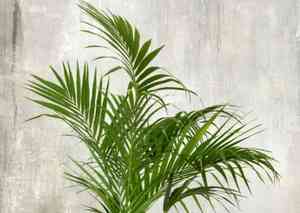
Kentia palm (Howea forsteriana)
Also known as: Sentry palm, Palm paradise
Originally from Lord Howe Island in Australia, the Howea forsteriana is a slow-growing palm that is popular as a houseplant. Also known as the kentia palm, it was regarded as the quintessential "parlor palm" in the 19th century, because it can thrive indoors even with low light and low humidity.
In This Article
Attributes of Kentia palm
Lifespan
Perennial
Plant Type
Palm
Plant Height
10 m
Spread
6 m
Leaf Color
Green
Flower Size
2.5 cm
Flower Color
Green White Cream Brown
Images of Kentia palm
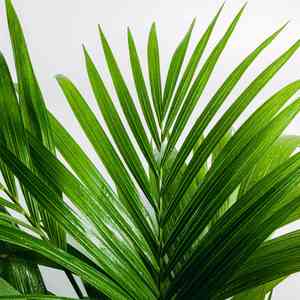
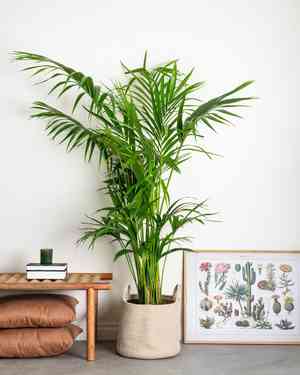
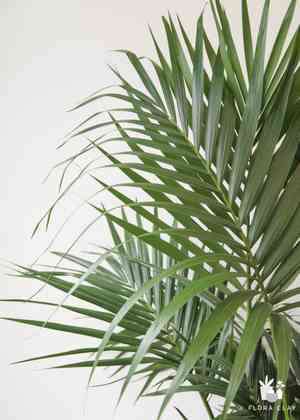
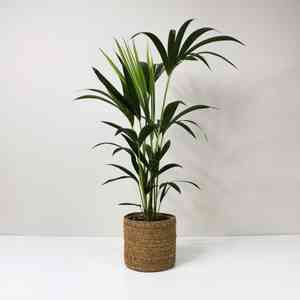
Quickly Identify Kentia palm
1
Feathery, glossy leaves on arching fronds, reaching 10 feet (3 meters) in length.
2
Distinct oval fruits with reddish-brown hue and pointed ends, maturing at 15 years.
3
Inflorescence with 3-7 spikes; small, subtly scented flowers below leaves.
4
Dark green bark transitioning to deep brown with age, developing textured surface.
5
Leaves with 90 drooping leaflets, dark green upper side, light green underside, measuring 2.5 feet (75 cm) long.
Scientific Classification of Kentia palm
Phylum
Vascular plants
Class
Monocotyledons
Order
Arecales
Family
Palm
Genus
Howea
Species
Kentia palm
Planting and Growing of Kentia palm
Care Difficulty
Easy
Watering Schedule
Every 2 days
Sunlight Requirements
Partial sun
Sunshine Duration
4-8 hours
Ideal Temperature
65-75℉
Soil Type
Potting Mix, Peat Mix
Soil pH
6.5-7.5
Fertilizer Type
Balanced
Pruning Season
Spring, Summer
Pruning Area
Branches, Leaves
Pruning Frequency
2 times a year
Repotting Season
Spring
Pot Type
Plastic, Ceramic
 How to Water Kentia palm?
Howea forsteriana, commonly known as the Kentia palm, prefers to have its soil evenly moist. Aim to water with about 500ml, ensuring the water penetrates deeply to reach the root system, but avoid allowing the plant to sit in excess water which can cause root rot.
More About Watering Techniques→
What are the symptoms of an underwatered Kentia palm?
›
What should I do if my Kentia palm is not getting enough water?
›
What are the symptoms of an overwatered Kentia palm?
›
How to save an overwatered Kentia palm?
›
 What Are the Sunlight Requirements for Kentia palm?
The ideal light range for Howea forsteriana is partial sun to full shade, beneficial for maintaining its striking green appearance. Adequate light levels ensure robust growth and overall health.
More About Sunlight Requirements Techniques→
What type of light does Howea forsteriana prefer?
›
Where should I position my Howea forsteriana for best light exposure?
›
What are the benefits of ideal light exposure for Howea forsteriana?
›
 What Is the Ideal Temperature Range for Kentia palm?
The ideal temperature range for Howea forsteriana, also known as the Kentia Palm, is between 65°F and 75°F. Within this range, the plant can thrive and maintain its lush green appearance. These temperatures mimic the subtropical climate from which the plant originates, providing conditions that support healthy growth and development. At these levels, the plant's metabolic processes are optimized, leading to vigorous growth.
 What Soil is Best for Kentia palm?
Howea forsteriana thrives in soil with excellent drainage to prevent waterlogging, which can lead to root rot. Good drainage ensures that the plant's roots get the necessary oxygen for healthy growth. The soil should be rich in nutrients to support the plant's growth and maintain its vibrant green foliage. Nutrient-rich soil supplies essential minerals and nutrients necessary for the palm to flourish. Soil with a light, aerated structure is ideal for Howea forsteriana, as it allows roots to expand freely and aids in proper nutrient uptake and root health maintenance.
More About Soil→
 How to Fertilize Kentia palm?
Howea forsteriana, commonly known as the Kentia palm, requires a balanced approach to fertilization. Use a balanced liquid fertilizer at half strength, around 10-10-10, ensuring not to overwhelm the plant's roots with excessive nutrients. For each watering session, about two tablespoons of diluted liquid fertilizer should suffice, keeping in mind that more is not always better for this graceful palm.
More About Fertilizing Techniques→
 How to Prune Kentia palm?
It's crucial not to over-prune the Kentia palm, as it relies on its fronds for photosynthesis. Removing too many fronds can stress the plant, leading to poor health. Inspect the plant for signs of pests or diseases before and after pruning. Pruning can sometimes invite unwanted guests, so early detection is key. After pruning, always sanitize your tools with alcohol or a mild bleach solution to prevent the spread of diseases between plants.
More About Pruning Techniques→
 How to Propagate Kentia palm plant?
1
The first step in seed propagation is to collect mature seeds from a healthy Howea forsteriana plant. Choose seeds that are fully matured and free from any signs of damage or disease.
2
Ensure you use a well-draining potting mix. A mixture of peat, perlite, and sand works well for Howea forsteriana seed propagation. This helps in retaining enough moisture while still allowing excess water to drain away.
3
Sow the seeds on the prepared potting mix. Cover them lightly with soil and water them gently. Keep the soil consistently moist but not overly saturated until germination occurs.
 How to Repot Kentia palm plant?
1
The perfect time to repot your Howea forsteriana is when you notice roots protruding from drainage holes or the soil dries out rapidly after watering. These are active indicators that the plant is running out of space and needs a bigger home to continue thriving.
2
Select a pot that is one to two sizes larger than the current one. Ensure it has adequate drainage holes to prevent waterlogging, which can lead to root rot. A pot that's too large can retain too much moisture, while the right size ensures healthy growth.
3
Use a well-draining potting mix specifically formulated for palms or a general houseplant mix with perlite. This mixture ensures excess water can escape, preventing waterlogged conditions that can suffocate the roots and cause root rot.



