How to Prune Kentia palm?
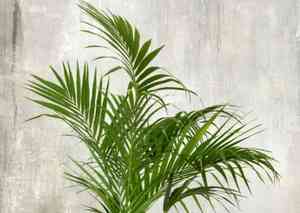
The kentia palm, a favored indoor specimen, displays gracefully arching leaves and thrives even in dim environments. For trimming, snip off any yellowed or browned fronds near the base with disinfected shears, and excise withered flower stalks. The best periods for this are early spring or late winter, coinciding with its reduced growth period. Pruning improves the plant's aesthetic and deters infestations. Excessive trimming or removing healthy green fronds can impede photosynthesis and development, thus, prune judiciously.
Advantages of Trimming Kentia Palm
Advantages of Trimming Kentia Palm
Trimming kentia palm encourages robust development by eliminating dead or yellowed leaves, fostering a strong and thriving plant. It also aids in preserving an attractive form, crucial for this ornamental palm.
Optimal Time for Trimming Kentia Palm
Optimal Time for Trimming Kentia Palm
During late winter and early spring, kentia palm exhibits a slower growth rate, which is perfect for recovery after trimming without significant plant stress. Trimming in these seasons also prevents the plant from directing energy to any damaged fronds and allows it to focus on new growth as the active season begins. Furthermore, since kentia palm lacks a distinct flowering or fruiting period that would dictate trimming time, these seasons are chosen for their mild temperatures, which support healing and vigorous springtime growth.
Necessary Tools for Trimming Kentia Palm
Sharp Scissors or Pruning Shears
These instruments ensure precise cuts without harming the kentia palm's fronds. Given the kentia palm's delicate foliage, sharp and accurate tools prevent tearing and help maintain plant vitality.
Sterilizing Solution (e.g. Alcohol or Bleach Solution)
Sanitizing pruning tools before and after use helps prevent the transmission of diseases between plants. This is vital for kentia palm, which can be vulnerable to fungal infections and pests if injured.
Gloves
Protective gloves are essential to shield the gardener's hands from the kentia palm's potentially sharp leaflets and airborne irritants that might be released during trimming.
Ladder or Step Stool
Kentia palm can grow quite tall, and a sturdy ladder or step stool may be required to safely reach the upper fronds for trimming.
How to Trim Kentia Palm
Step1: Examine Plant and Prepare Tools
Thoroughly inspect kentia palm to identify parts needing trimming, such as yellow leaves, withered branches, dead fronds, and brown tips. Clean and sterilize your pruning tools to prevent disease spread.
Step2: Remove Yellow Leaves by Hand or Scissors
Begin with the yellow leaves. Gently tug on them to see if they detach easily. If so, remove them by hand to avoid unnecessary harm. Otherwise, use sharp scissors to cut them where they meet the stem.
Step3: Cut Withered Branches at Trunk Connection
Identify any withered branches that no longer support healthy leaves or growth. With clean pruning shears, cut the withered branches at their connection point to the main trunk. Make a clean cut to prevent bark tearing.
Step4: Trim Dead Fronds at Base for Health
For dead fronds, which do not contribute to the health or appearance of kentia palm, use sharp pruning shears. Cut each dead frond at its base, near the soil level, to promote a neat look and redirect energy to healthier growth.
Step5: Trim Brown Tips with Margin to Protect Green Tissue
When addressing brown tips, trim only the affected portions to minimize stress on kentia palm. Carefully cut off the brown tips, leaving a small margin of brown to avoid damaging the healthy green tissue.
Step6: Dispose of Pruning Debris to Prevent Pests
After trimming, clear away all cuttings to maintain cleanliness and deter pests. This will keep the base of kentia palm free from potential disease and insect infestation.
Step7: Water Plant Post-Pruning for Recovery
Water kentia palm appropriately after trimming, ensuring not to overwater as kentia palm prefers well-drained soil. This will help kentia palm recover from the stress of trimming.
Step8: Monitor Plant for Stress or Disease Post-Pruning
Monitor kentia palm after trimming for signs of stress or disease. Ensure it is placed in indirect light and has adequate humidity to thrive, avoiding direct sunlight that can scorch its leaves.
Step9: Prune Sparingly to Allow for Slow Recovery
Avoid excessive trimming of kentia palm as it is a slow-growing plant and recovery can take time. Trim only what is necessary to maintain its health and appearance.
Step10: Repeat Pruning as Needed for Maintenance
Regularly check on kentia palm and repeat these trimming steps as needed to remove any further yellow leaves, withered branches, dead fronds, or brown tips that may develop over time.
Post-Trimming Care for Kentia Palm
Post-Trimming Care for Kentia Palm
Immediately after trimming kentia palm, water thoroughly but ensure proper drainage to prevent root rot. Position kentia palm in moderate, indirect light, maintaining temperatures of 65-75°F with high humidity. Provide a balanced, slow-release fertilizer to aid in the recovery process. Regularly inspect the trimmed areas for unusual discoloration or wilting, which may indicate stress or infection. If such signs appear, adjust care and seek expert advice to prevent further damage.
Common Trimming Errors with Kentia Palm
Over-Trimming Weakens Growth
Trimming too aggressively or removing too many fronds at once, which can weaken kentia palm and hinder its growth.
Avoid Cutting Healthy Green Fronds
Cutting fronds that are green and healthy, as kentia palm utilizes these fronds for photosynthesis and energy production.
Prevent Disease with Sterilized Tools
Using unsterilized trimming tools, which can introduce diseases to kentia palm and spread pathogens that can harm the plant.
Do Not Prune Central Spear
Trimming the central spear, the new growth at the top of kentia palm, which is fatal for this species as it can halt the development of new fronds.
General Trimming Advice for Kentia Palm
Trim Only Dead or Damaged Fronds
Only remove brown, yellowing, or damaged fronds to maintain the health and aesthetic appeal of kentia palm, without affecting its growth.
Use Sharp, Sterile Tools for Clean Cuts
Use sharp and sterile trimming tools to make clean cuts without damaging kentia palm.'s tissue, thus preventing disease.
Cut Fronds Close to Trunk
When removing fronds, cut them close to the trunk to avoid leaving stubs, which can be unsightly and can potentially harbor pests.
Gradually Trim for Shape and Size
If trimming to control size or shape, do so gradually over time instead of all at once to minimize stress to kentia palm.
Provide Post-Trimming Care and Recovery
Ensure proper post-trimming care, such as providing adequate water and avoiding immediate fertilization, to support kentia palm's recovery.



