How Much Sunlight Do Kentia palm Need?
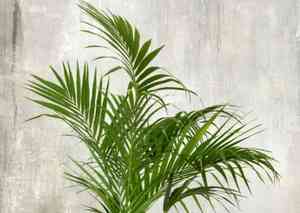
1
Kentia palms flourish in ample, diffused illumination, yet they can endure dimmer light environments more effectively than numerous other palm varieties.
2
Refrain from positioning your Kentia palm in direct sun exposure to avert scorching of foliage and other harm.
3
Periodically turn your Kentia palm to promote uniform development and hinder lopsided leaf formation.
What Kind of Illumination Does a Kentia Palm Require?
Indirect Light Preferences
The Kentia palm (Howea forsteriana) shares a common trait with many palms, favoring bright, diffused light. This entails positioning it near a window where it can receive ample illumination without direct exposure to the sun's rays. Such indirect light fosters robust development and luxuriant, verdant foliage, imparting an exotic flair to your indoor environment.
Tolerance to Low Light Conditions
A notable characteristic of the Kentia palm is its capacity to endure dim lighting. While it flourishes best in brighter areas, it can also thrive in shaded spots or rooms with limited natural light. This makes it a flexible houseplant for spaces that don't get much sun, such as offices or north-facing rooms.
Impact of Direct Sunlight on Kentia Palm
Direct sunlight, particularly for more than 6 hours daily, can be harmful to your Kentia palm. The intense rays can cause leaf scorch, leading to unattractive brown tips and margins. It's essential to prevent placing your palm in direct sun to preserve its appealing look and ensure its well-being.
How to Position Your Kentia Palm for Optimal Development
Best Indoor Placements
Correctly situating your Kentia palm is crucial for ensuring it receives the appropriate amount of light. Ideal spots include locations near east or west-facing windows where the plant can benefit from indirect light. Avoid areas directly in front of south-facing windows unless a sheer curtain is present to soften the light.
Utilizing Sheer Curtains to Filter Light
Employing sheer curtains can be highly beneficial for your Kentia palm. By diffusing direct sunlight through these curtains, you lessen the risk of leaf burn while allowing your plant to enjoy the brightness it desires. Sheer curtains are especially useful if your preferred spot for the palm is in a room with strong midday sun.
Seasonal Light Adjustments
As seasons change, so do the intensity and angle of sunlight. During winter, consider moving your Kentia palm closer to windows to maximize available light. In summer, pull it back slightly to prevent harsh midday rays from causing damage. Adjusting its position seasonally can help keep your plant healthy throughout the year.
Indicators Your Kentia Palm is Receiving Adequate Sunlight
Ideal Leaf Color and Growth
A healthy Kentia palm should display vibrant green leaves and consistent growth. If your plant is flourishing, the leaves will possess a rich, deep green hue, and you will observe new fronds unfurling regularly. This signifies it's getting the correct amount of light.
Identifying Sunburn or Sunscald
If exposed to excessive direct sunlight, your Kentia palm might begin to show signs of sunburn or sunscald. This can manifest as brown or yellow edges on the leaves, or scorched, faded patches. If you notice these symptoms, consider moving your plant to a location with more indirect light.
Signs of Insufficient Light
Conversely, if your Kentia palm is receiving too little light, you might observe slower growth, smaller new fronds, and a paler green color in the leaves. Relocating the plant to a brighter spot can help alleviate these issues and restore its vitality.
Common Sunlight Problems and Their Solutions
Preventing Leaf Yellowing
Leaf yellowing can indicate both overexposure and underexposure to light. Ensure your Kentia palm is not in direct sunlight and consider gradually moving it to a brighter spot if it's currently in a very shaded area.
Managing Leaf Browning
Browning of leaf tips or edges typically results from too much direct sun. To address this, move your Kentia palm away from windows with direct exposure and use sheer curtains to diffuse the light. Regular misting can also help mitigate the effects of dry air.
Addressing Uneven Growth
If one side of your Kentia palm appears to be growing faster than the other, it's likely due to uneven light exposure. Rotating your plant every few weeks can help ensure all sides receive equal light, promoting balanced development.



