How to Overwinter Kentia palm
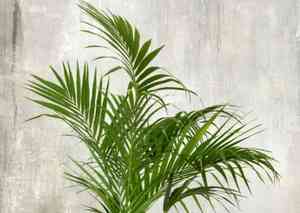
1
Kentia palm flourishes in temperatures between 15-24°C (59-75°F).
2
Chilly air currents can significantly harm your Kentia palm in the colder months.
3
Sustaining a steady humidity of 50-60% is vital for Kentia palmâs well-being in winter.
Is the Kentia palm Frost Hardy?
Is the Kentia palm Frost Hardy?
If you're curious whether your Kentia palm can endure freezing temperatures, the simple answer is no. Kentia palms are known for their lush, tropical look and their preference for warmer climates. As a delicate plant, they do not tolerate frost well and must be shielded from temperatures below 10°C (50°F). Bringing your Kentia palm indoors before the first frost is crucial for its survival. Let's explore how to prepare and care for your plant to ensure it thrives through the colder months.
Preparing Your Kentia palm for Winter
Assessing Plant Health
Before moving your Kentia palm indoors, check its overall condition. Look for indications of pests, disease, or stress. Healthy plants adapt better to changes, so address any issues before winter arrives. Examine for discoloration, spots on foliage, or any visible insect activity.
Cleaning and Pruning
Gently wipe the leaves with a damp cloth to remove dust and any potential pests. Trim any dead or yellowing fronds, as these can deplete the plant's resources. Pruning not only helps the plant conserve energy but also promotes better air circulation among the remaining healthy fronds.
Fertilizing Prior to Winter
Fertilize your Kentia palm in late autumn using a balanced, water-soluble fertilizer. This preparatory step provides essential nutrients to help the plant remain strong throughout winter. However, avoid fertilizing once temperatures drop significantly, as the plant's growth will slow, and excessive nutrients could cause harm.
Indoor Care Tips for Kentia palm During Winter
Optimal Lighting Conditions
Position your Kentia palm in a spot where it receives bright, indirect light. South or west-facing windows are ideal, but ensure the plant is not exposed to direct sunlight, as this can scorch the leaves. If natural light is insufficient, consider using a grow light for supplementation.
Proper Watering Techniques
Water your Kentia palm sparingly during winter. The soil should be kept slightly moist but never waterlogged. It's vital to allow the top 2.5-5 cm (1-2 inches) of soil to dry out between waterings. Overwatering can lead to root rot, a common problem in indoor winter care.
Humidity Requirements
Kentia palms prefer a moist environment. Indoor heating can dry out the air, so it's important to maintain humidity levels around 50-60%. Use a humidifier or place a tray of water near the plant to help achieve this. Misting the leaves occasionally can also provide the necessary moisture.
Signs of Stress in Kentia palm During Winter
Yellowing Leaves
Yellowing leaves can indicate overwatering or insufficient light. Pay attention to your watering schedule and adjust the position of your Kentia palm if needed to ensure it receives appropriate light conditions.
Drooping Fronds
Drooping fronds often signal underwatering or a lack of humidity. Ensure that the soil is adequately moist and that humidity levels are suitable for the plant's needs.
Root Rot Symptoms
Root rot appears as mushy roots and a foul smell coming from the soil. If you suspect root rot, remove the affected roots and repot the plant in fresh, well-draining soil. Adjust your watering practices to prevent recurrence.
Common Mistakes to Avoid When Overwintering Kentia palm
Overwatering
Overwatering is a common error that can lead to root rot. Remember, a Kentia palm needs less water during the winter months as its growth slows. Ensure the pot has proper drainage and always let the top layer of soil dry out before watering again.
Improper Lighting
Insufficient light can result in weak growth and yellowing leaves. Make sure your Kentia palm is placed in an area with bright, indirect light. If natural light is inadequate, a grow light can help supplement.
Neglecting Humidity
Indoor heating systems can significantly lower humidity levels. Kentia palms require a humid environment to thrive. Use a humidifier or regularly mist the plant to maintain appropriate humidity levels.



