Enhancing Your Garden Design with the Kentia palm Plant: A Landscaping Guide
1
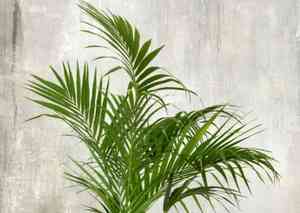
The Kentia palm is an easy-care plant that adapts well to diverse environmental conditions.
2
It's an ideal plant for bringing a tropical aesthetic to your outdoor space.
3
Kentia palms flourish equally well indoors and outdoors.
Why Select Kentia Palm for Your Outdoor Space?
Effortless upkeep and resilience across diverse climates
A primary reason to consider Kentia palm for your landscape is its minimal care requirements and robust nature. Kentia palm flourishes in various environmental conditions, making it a flexible option for gardeners globally. Its capacity to endure different weather patterns reduces the need for constant attention, allowing you more time to enjoy your garden instead of maintaining it. This hardy plant is particularly suited for those desiring a vibrant garden without demanding upkeep.
Imparts a tropical charm and visual appeal
Kentia palm is celebrated for its exotic look, which can bring a touch of paradise to any garden. Its lush green foliage creates an island-like atmosphere, transforming your outdoor area into a tranquil sanctuary. The aesthetic value of Kentia palm is undeniable; it acts as a striking focal point that enhances the garden's overall beauty. Whether you're aiming for a tropical theme or simply wish to introduce a distinctive element, Kentia palm is an excellent choice.
Suitable for both interior and exterior environments
Another remarkable characteristic of Kentia palm is its adaptability to both indoor and outdoor settings. This plant can be a showpiece whether situated inside your home or within your garden. Its ability to thrive in containers makes it a superb choice for indoor greenery. Concurrently, its sturdy character allows it to flourish outdoors, providing versatility based on your landscaping needs.
Thrives in shaded or partially sunlit areas
Kentia palm is quite flexible regarding light preferences, prospering in areas with shade or partial sun. This makes it a fitting addition beneath trees or next to structures that cast shadows. Since it doesn't require direct sunlight to grow, you have more options for its placement, simplifying its integration into existing garden designs.
Design Principles for Incorporating Kentia Palm into Your Garden
Selecting the optimal placement
When integrating Kentia palm into your garden design, choosing an appropriate spot is vital. Consider areas that receive indirect sunlight or partial shade, as Kentia palm thrives best under these conditions. Account for the plant's mature size and provide ample room for its fronds to spread. Positioning Kentia palm near a seating area can also foster a relaxing, tropical ambiance.
Harmonizing size and proportion with other flora
Balancing the size and proportion of Kentia palm with other plants in your garden is crucial for a cohesive design. As Kentia palm can grow quite tall, it pairs well with plants of varying heights, creating visual interest. Taller plants can complement its stature, while smaller ground-covering plants can enhance the overall texture. By maintaining balanced proportions, you ensure Kentia palm stands out without overshadowing other garden elements.
Color coordination and textural considerations
Another key design principle involves coordinating the colors and textures of Kentia palm with other plants. The rich, dark green fronds of Kentia palm contrast beautifully with plants featuring lighter or variegated foliage. Incorporating plants with diverse textures, such as those with broad leaves or delicate flowers, can heighten the visual complexity of your garden. This consideration results in a unified and visually pleasing landscape.
Practical Advice for Planting and Cultivating Kentia Palm
Appropriate soil and potting medium
Achieving the correct soil and potting mix is crucial for the healthy development of Kentia palm. This plant prefers well-draining soil to prevent root decay. A blend of peat, perlite, and sand often works effectively. For potted Kentia palm, ensure the container has sufficient drainage holes. Good soil conditions will support the plant's growth and overall vitality.
Irrigation guidelines and humidity factors
While Kentia palm is quite resilient, it does have specific watering requirements. It's important to allow the soil to dry out between waterings to avoid over-saturation. During warmer months, Kentia palm might need more frequent irrigation. Additionally, this plant thrives in humid environments, so occasional misting of the leaves can help simulate its natural habitat and encourage lush growth.
Utilizing fertilizers for peak development
Nourishing Kentia palm with suitable fertilizers can significantly boost its growth. A balanced, water-soluble fertilizer applied during the active growing season can supply essential nutrients. Fertilize the plant every 4-6 weeks during spring and summer for optimal results. Adequate nutrition will ensure Kentia palm maintains its vibrant appearance and remains in prime health.
Year-Round Care Strategies for Kentia Palm in Landscapes
Disease prevention and natural pest deterrents
Maintaining Kentia palm's health involves proactive disease prevention and pest management. Employ natural pest repellents like neem oil to ward off common pests such as spider mites and mealybugs. Regularly inspect the plant for signs of illness and promptly remove any affected leaves. Ensuring good air circulation around Kentia palm can also help prevent fungal issues.
Seasonal trimming and upkeep schedules
Pruning Kentia palm is necessary to remove dead or yellowing fronds and stimulate new growth. Perform pruning during late winter or early spring before the growing season commences. Establish a maintenance schedule to routinely check the plant's overall health and address any problems promptly. Consistent care ensures Kentia palm remains a stable and attractive feature in your garden.
Protecting Kentia palm during colder periods
In regions with colder winters, shielding Kentia palm from extreme temperatures is vital. Apply mulch around the base of outdoor plants to insulate their roots. For potted plants, consider relocating them indoors or to a sheltered spot during the coldest months. Ensuring Kentia palm is properly insulated will help it survive seasonal changes and continue to flourish throughout the year.



