
Snow On The Prairie (Euphorbia bicolor)
Also known as: Goatweed, Gulf Coast Milkweed
Snow On The Prairie (Euphorbia bicolor) is a native annual herb found in the United States. It thrives in hard clay soils typically found in prairies, rangelands, and forest edges. This plant also produces a sap known to irritate skin and eyes.
Attributes of Snow On The Prairie
Images of Snow On The Prairie
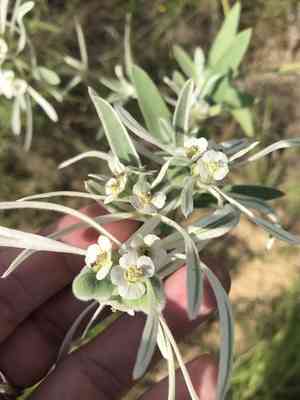
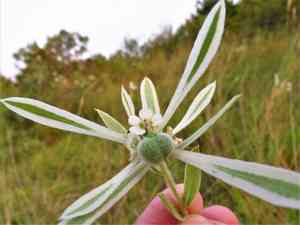
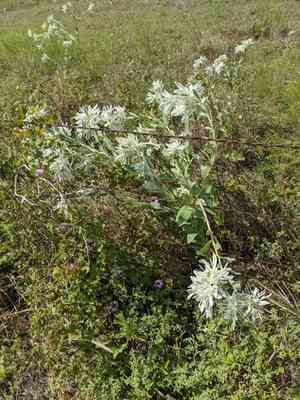
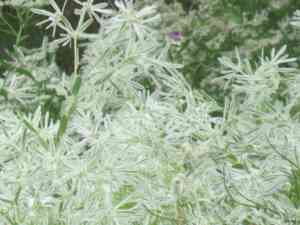
Quickly Identify Snow On The Prairie
Scientific Classification of Snow On The Prairie
Planting and Growing of Snow On The Prairie
 How to Water Snow On The Prairie?
 What Are the Sunlight Requirements for Snow On The Prairie?
 What Is the Ideal Temperature Range for Snow On The Prairie?
 What Soil is Best for Snow On The Prairie?
 How to Fertilize Snow On The Prairie?
 How to Prune Snow On The Prairie?
 How to Propagate Snow On The Prairie plant?
 How to Repot Snow On The Prairie plant?
Toxicity of Snow On The Prairie
Is Snow On The Prairie toxic to humans?
Snow On The Prairie is classified as a plant with moderate toxicity. Its stems excrete a milky sap rich in euphorbium, which acts as a skin and eye irritant. Contact with this chemical can lead to inflammation on the skin, along with severe eye irritations that may manifest as redness, excessive tearing, swelling, and vision issues. Although skin-related symptoms tend to be less severe, they can still cause mild irritation. This weed is most commonly found in pastures and along roadsides. While it generally poses minimal risk, it is important for farmers and gardeners to be cautious of broken stems.



