How to Prune Snow On The Prairie?
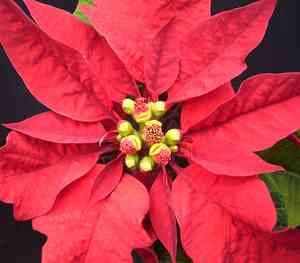
Snow On The Prairie, a local flora featuring diverse green and white foliage frequently edged with pink, offers a captivating presence in gardens. Trim to preserve its form, manage its dimensions, and eliminate faded flower stems or compromised leaves. The most effective time for trimming is in spring to encourage fresh development or after flowering in late summer. Refrain from autumn trimming, as it may reduce its resilience during winter. Trimming boosts the plant's health and aesthetic appeal. Exercise caution due to its poisonous sap, employing gloves and disinfected implements to avert illness.
What Are the Benefits of Pruning Snow On The Prairie?
What Are the Benefits of Pruning Snow On The Prairie?
Trimming snow On The Prairie encourages robust new development and helps maintain its desired form. Regular cutting eliminates old or dense stems, improving air circulation and lowering disease risks.
What Is the Best Time for Pruning Snow On The Prairie?
What Is the Best Time for Pruning Snow On The Prairie?
Pruning or trimming snow On The Prairie in late Spring coincides with the period after frost, which is optimal for shaping the plant without risking cold damage. Summer pruning assists in managing growth and reallocating energy to desired sections, as this is when snow On The Prairie is actively growing. Early Fall pruning should be done carefully; light trims can help tidy the plant but avoid major cuts that might stimulate tender growth, which may not harden off before the initial frost.
What Tools Do I Need to Prune Snow On The Prairie?
Bypass Pruners
Perfect for cutting through green, live stems of snow On The Prairie without crushing delicate tissues, ensuring clean and healthy cuts. Bypass pruners are suitable for trimming stems up to ¾ inches in diameter.
Pruning Gloves
Essential for handling snow On The Prairie, as it contains a latex sap that can irritate skin and eyes. Gloves will shield hands from contact with the sap during pruning.
Long-Sleeved Shirt and Pants
Protects the skin from the potentially irritating sap of snow On The Prairie when pruning.
Garden Disinfectant
Used to sanitize pruning tools before and after working on snow On The Prairie. This prevents the spread of diseases and contamination from the sap.
How to Prune Snow On The Prairie
Preparation
Wear protective gloves and safety glasses to guard against snow On The Prairie's sap, which can be irritating to skin and eyes.
Sanitization
Sterilize pruning tools using alcohol or a bleach solution to prevent the transmission of diseases.
Trimming
Carefully remove withered leaves from snow On The Prairie by cutting them at the base near the stem, using sharp and sterilized pruning shears.
Cleanup
Dispose of the withered leaves away from garden beds to minimize the risk of pests and diseases.
Post Pruning Care
Monitor snow On The Prairie for signs of stress and water appropriately to ensure healthy regrowth.
Common Pruning Mistakes with Snow On The Prairie
Overpruning
Removing too much foliage at once can stress snow On The Prairie, potentially leading to poor health or plant death.
Incorrect Tool Use
Using dull or dirty cutting tools can damage snow On The Prairie's stems, hindering proper healing and potentially introducing disease.
Pruning Active Growth
Cutting back snow On The Prairie during its active growth phases can unnecessarily stress the plant and lead to reduced vigor.
Ignoring Plant Form
Failing to consider snow On The Prairie's natural shape when pruning can result in a less aesthetically pleasing plant that does not grow as well.
Disregarding Plant Health
Pruning without first assessing for diseased or damaged areas might lead to the spread of disease and does not help the plant's overall wellbeing.
Common Pruning Tips for Snow On The Prairie
Sharp Clean Tools
Always use sharp, sterilized pruning tools to make clean cuts that heal quickly, preventing damage and disease in snow On The Prairie.
Judicious Pruning
Prune sparingly, targeting only dead or diseased tissue and overgrown areas to maintain the health and shape of snow On The Prairie.
Plant Structure Respect
Understand and maintain the natural form of snow On The Prairie when pruning, which promotes a stable and attractive growth pattern.
Targeted Cutting
Make precise cuts just above leaf nodes to encourage healthy new growth in snow On The Prairie, cutting at a 45-degree angle to prevent water accumulation.
Post-Pruning Care
After pruning snow On The Prairie, provide appropriate care, such as watering and occasional fertilizing, to support recovery and robust regrowth.



