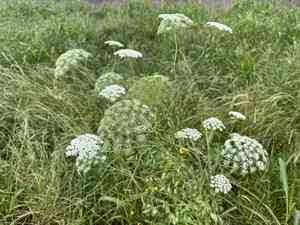
Ammi (Ammi) (Ammi)
Also known as: Bishop's weed, Queen Anne's lace
Orlaya is a genus of approximately six species of summer-blooming plants within the Apiaceae family. Originating from southern Europe, northern Africa, and Southwest Asia, these plants feature fern-like foliage and delicate, lace-like white or cream flowers arranged in branched, rounded umbels.
In This Article
Attributes of Ammi (Ammi)
Lifespan
Annual, Biennial
Plant Height
60-120 cm
Spread
30-50 cm
Leaf Color
Green
Flower Size
5-12 cm
Flower Color
White
Images of Ammi (Ammi)
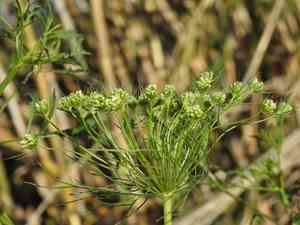
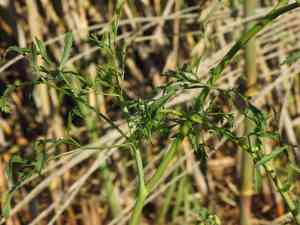
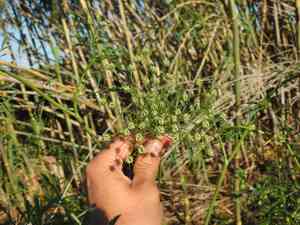
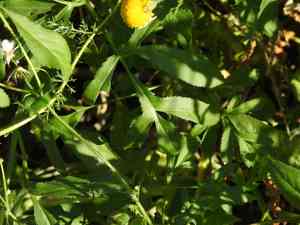
Quickly Identify Ammi (Ammi)
1
Ammi plants can be identified by their finely cut, fern-like leaves and their characteristic umbrella-shaped inflorescences. The flowers are typically small and white, arranged in clusters.
Scientific Classification of Ammi (Ammi)
Phylum
Magnoliophyta
Class
Magnoliopsida
Order
Apiales
Family
Apiaceae
Genus
Ammi
Planting and Growing of Ammi (Ammi)
Care Difficulty
Easy
Watering Schedule
Every 3 days
Sunlight Requirements
Full sun
Sunshine Duration
6-10 hours
Ideal Temperature
60-75℉
Soil Type
Potting Mix, Peat Mix
Soil pH
6.5-7.5
Fertilizer Type
Balanced
Pruning Season
Spring, Summer
Pruning Area
Branches, Leaves
Pruning Frequency
2 times a year
Repotting Season
Spring
Pot Type
Terracotta, Plastic
 How to Water Ammi (Ammi)?
For the Ammi plant, it is crucial to water just enough to moisten the soil thoroughly without leaving it soggy. The principle is to allow the top inch of soil to dry out slightly before watering again, ensuring that the roots receive adequate moisture without becoming waterlogged.
What are the symptoms of an underwatered Ammi (Ammi)?
›
What should I do if my Ammi (Ammi) is not getting enough water?
›
What are the symptoms of an overwatered Ammi (Ammi)?
›
How to save an overwatered Ammi (Ammi)?
›
 What Are the Sunlight Requirements for Ammi (Ammi)?
Ammi grows best under full sun conditions, with partial sun as the next best habitat. This exposure encourages vibrant growth and abundant blooming, ensuring that the plant develops healthy and strong structural features.
What type of light is best for Ammi?
›
How can you ensure Ammi receives ideal light levels?
›
What are the benefits of ideal lighting for Ammi?
›
 What Is the Ideal Temperature Range for Ammi (Ammi)?
The ideal temperature range for growing Ammi is between 60°F and 75°F. Within this range, the plant can perform photosynthesis proficiently. Additionally, this temperature range allows proper nutrient uptake and optimal leaf development. Any deviation may slow down growth or impact flower production.
 What Soil is Best for Ammi (Ammi)?
Ammi plants thrive best in well-drained soil. This condition ensures that excess water does not accumulate around the roots, thereby preventing root rot and promoting healthy growth. Good drainage enhances aeration, which is critical for root respiration. Moderately fertile soil is ideal for Ammi, providing sufficient nutrients for growth without overwhelming the plant. Balanced fertility supports robust foliage and flower development, helping the plant reach its full potential. Although Ammi plants require well-drained soil, maintaining moisture is essential. A soil that retains some moisture allows the plant to remain hydrated during dry spells, ensuring a steady growth rate and vibrant bloom.
 How to Fertilize Ammi (Ammi)?
Ammi plants benefit from moderate fertilization. Use a balanced liquid fertilizer diluted to half its strength. Each time, apply about 10-20 ml per plant. For solid fertilizers, employ about 50 grams per square meter every time you fertilize.
 How to Prune Ammi (Ammi)?
Begin by examining the plant for any dead or diseased stems. Cut these back to the base using pruning shears. Next, trim back any overcrowded or crossing branches to improve air circulation. Make cuts at a 45-degree angle just above a leaf node to encourage new growth. During the active growing seasons of spring and summer, focus on shaping the plant and removing any unwanted growth.
 How to Propagate Ammi (Ammi) plant?
1
Fill seed trays with a high-quality potting mix, leaving a little space at the top. Ensure the mix is lightly moistened, but not overly wet, to promote optimal germination conditions.
2
Distribute Ammi seeds evenly across the surface of the potting mix. Cover them lightly with additional mix or vermiculite as too much coverage can hinder germination.
3
Regularly mist the soil with water to keep it consistently moist. Avoid overwatering, which can cause seeds to rot before they germinate.
 How to Repot Ammi (Ammi) plant?
1
Repotting Ammi should be done when you notice that the plant's roots are peeking out from the drainage holes, or the growth has slowed down significantly. These are clear indicators that the plant has outgrown its current pot and requires more room to grow. Choose spring or early summer when the plant is in its growth phase for optimal results.
2
Select a pot that's 1-2 inches larger in diameter than the current one. It's crucial to ensure the new pot has sufficient drainage holes, as proper drainage prevents waterlogging and root rot. A well-chosen pot not only accommodates growth but also enhances soil aeration, significantly boosting the plant’s overall health.
3
Ammi prefers a well-draining soil mix rich in organic matter. This type of soil ensures that excess water drains quickly, reducing the risk of root rot and promoting a healthy root system. Incorporating a mix with sand or perlite can further enhance the drainage capability, supporting vibrant growth.
Toxicity
Ingestion, Skin contact
WARNING
The judgment on toxicity and danger is for reference only. We DO NOT GUARANTEE any accuracy of such judgment. Therefore, you SHALL NOT rely on such judgment. It is IMPORTANT TO SEEK PROFESSIONAL ADVICE in advance when necessary.
Learn More About Ammi (Ammi) Diseases
Anthracnose
Bacterial Leaf Spot
Bacterial Soft Rot
Bacterial Wilt
Crown Gall
Cyst Nematode
Damping-off
Downy Mildew
Drought Stress
Fusarium Wilt
Gray Mold
Leaf Spot
Mosaic
Nutrient Deficiency
Nutrient Toxicity
Powdery Mildew
Root Rot
Root-knot Nematode
Rusts
Sooty Mold
Spider Mites
Temperature Stress
Thrips Damage
White Mold
Chemical Injury

