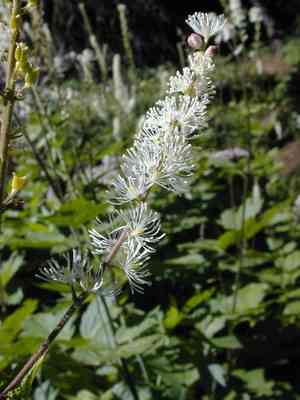
Tall bugbane (Actaea elata)
Also known as: Tallu Bugbane
Tall bugbane, a member of the buttercup family, thrives in the moist understories of woodlands and relies on bees, beetles, and hoverflies for pollination. This plant is endangered in British Columbia primarily because of extensive human activities that have adversely affected its habitat.
In This Article
Attributes of Tall bugbane
Lifespan
Perennial
Plant Type
Herb
Plant Height
91 cm to 2 m
Spread
60 cm to 90 cm
Leaf Color
Green
Flower Size
17 cm
Flower Color
White
Images of Tall bugbane
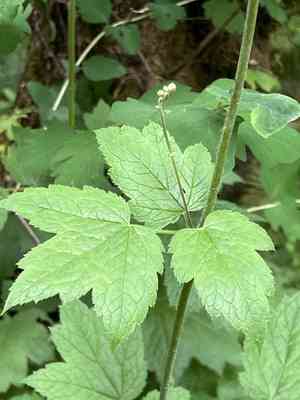
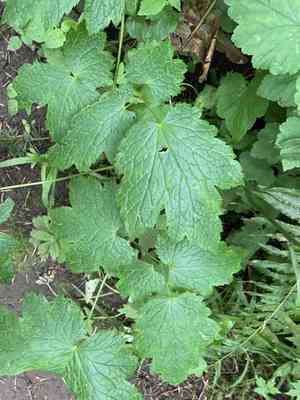
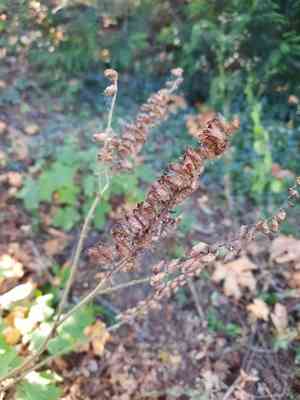
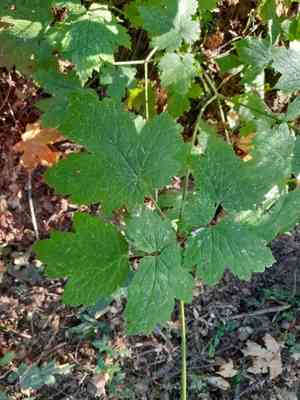
Quickly Identify Tall bugbane
1
Actaea elata can be identified by its tall, slender stature, typically reaching up to 2 meters in height. It has large, compound leaves with serrated edges and produces long, cylindrical clusters of small, white to cream-colored flowers.
Scientific Classification of Tall bugbane
Phylum
Vascular plants
Class
Dicotyledons
Order
Ranunculales
Family
Buttercup
Genus
Baneberries
Species
Tall bugbane
Planting and Growing of Tall bugbane
Care Difficulty
Easy
Watering Schedule
Every 3 days
Sunlight Requirements
Partial sun
Sunshine Duration
6-8 hours
Ideal Temperature
60-75℉
Soil Type
Potting Mix, Peat Mix
Soil pH
6.5-7.5
Fertilizer Type
Balanced
Pruning Season
Spring, Summer
Pruning Area
Branches, Leaves
Pruning Frequency
2 times a year
Repotting Season
Spring
Pot Type
Ceramic, Plastic
 How to Water Tall bugbane?
For Actaea elata, the watering should mimic a woodland environment—consistently moist but not waterlogged. It is recommended to provide around 500 ml of water at each watering session. The goal is to ensure the soil is thoroughly moist, but you should allow the top layer of soil to dry slightly between waterings to prevent root rot.
What are the symptoms of an underwatered Tall bugbane?
›
What should I do if my Tall bugbane is not getting enough water?
›
What are the symptoms of an overwatered Tall bugbane?
›
How to save an overwatered Tall bugbane?
›
 What Are the Sunlight Requirements for Tall bugbane?
Partial sun or full shade is ideal, mimicking the natural undergrowth of a forest. Ideal light conditions ensure robust growth, vibrant foliage, and the potential for flowering.
What is the best light condition?
›
Why does it prefer these conditions?
›
How do I ensure these conditions?
›
 What Is the Ideal Temperature Range for Tall bugbane?
The ideal temperature range for Actaea elata is between 60°F and 75°F. Within this temperature window, the plant experiences optimal growth and vitality. This range provides the perfect balance of warmth that facilitates photosynthesis and other metabolic processes essential for the plant's health.
 What Soil is Best for Tall bugbane?
Actaea elata thrives in soil that retains moisture well, as it mimics the natural forest floor conditions. Consistent moisture helps prevent the plant from stress during dry spells, promoting lush foliage and robust growth. This plant benefits from nutrient-rich soil, which provides essential minerals for optimal growth. Fertile soil enhances root development and encourages abundant flowering, contributing to the plant's overall vitality. While moisture retention is important, Actaea elata requires soil that also drains well to prevent waterlogging. Proper drainage ensures that the roots receive enough oxygen, avoiding issues related to root rot and promoting healthy growth.
 How to Fertilize Tall bugbane?
Actaea elata, commonly known as a tall bugbane, should be fertilized with a balanced fertilizer. For liquid fertilizers, a dilution of 1/2 strength is recommended due to the plant's sensitivity. Approximately 250 ml of solution watered around the base will suffice per application.
 How to Prune Tall bugbane?
Start by using sharp and clean pruning shears to cut away any dead or damaged stems at the base. Next, trim back any excessively long or leggy growth to maintain a compact shape. Be sure to cut above a leaf node to encourage branching, aiming for a harmonious and uniform appearance. Ensure to sterilize your tools after use to prevent disease transmission.
More About Pruning Techniques→
 How to Propagate Tall bugbane plant?
1
Collect seeds in late autumn when they are mature. Clean and dry them before sowing. Stratification might be necessary for higher germination rates by storing them in a moist, cold environment for 2-3 months before sowing.
2
Fill seed trays with quality seed compost. Sow the seeds on the surface and cover them lightly with compost. Maintain a consistent temperature of around 15-20°C for optimal germination. Water the seeds gently to keep the soil moist.
3
In early spring, dig around the plant using a garden spade. Lift the rhizomes carefully and divide them into sections, ensuring each section has at least one growing point. Plant them in prepared soil or containers immediately.
 How to Repot Tall bugbane plant?
1
Actaea elata should be repotted when you notice that the current pot seems too crammed with roots popping out of the drainage holes. Another sign is when the plant's growth slows down dramatically, meaning it's running out of room to thrive. Ideally, repotting in Spring or early Summer provides the plant with ample time to adjust and flourish in its new home.
2
When selecting a pot for Actaea elata, ensure it is slightly larger than the current one, by about 1-2 inches in diameter. Clay or ceramic pots are beneficial as they allow better air circulation, preventing root rot. Opt for a pot with ample drainage holes to prevent waterlogging, which is crucial for the plant's health.
3
Opt for a rich, well-drained soil mix to repot Actaea elata. The soil should retain moisture yet drain excess water efficiently to avoid root rot. A mix of potting soil with perlite or coarse sand works well. This type of soil encourages robust root growth and provides necessary nutrients for healthy plant development.
Toxicity
Ingestion
WARNING
The judgment on toxicity and danger is for reference only. We DO NOT GUARANTEE any accuracy of such judgment. Therefore, you SHALL NOT rely on such judgment. It is IMPORTANT TO SEEK PROFESSIONAL ADVICE in advance when necessary.
Learn More About Tall bugbane Diseases
Anthracnose
Bacterial Leaf Spot
Bacterial Soft Rot
Crown Gall
Cyst Nematode
Damping-off
Downy Mildew
Drought Stress
Fusarium Wilt
Gray Mold
Leaf Spot
Mosaic
Nutrient Deficiency
Nutrient Toxicity
Powdery Mildew
Root Rot
Root-knot Nematode
Rusts
Sooty Mold
Spider Mites
Temperature Stress
Thrips Damage
White Mold
Chemical Injury



