How to Prune Tall bugbane?
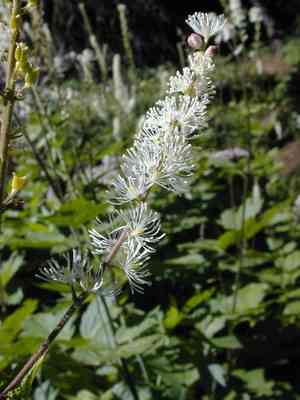
A consistent choice for areas with limited sunlight, Cimicifuga racemosa is ideally trimmed in late winter or early spring prior to the emergence of fresh shoots. Eliminate any deceased or compromised stems and trim them to soil level to stimulate abundant flowering and a neat look. Trimming during the summer months subsequent to blooming can deter self-propagation if preferred. Consistent trimming aids Cimicifuga racemosa by fostering more resilient, sturdier specimens and potentially more prolific blossoms in the subsequent period.
What Are the Benefits of Pruning Tall Bugbane?
What Are the Benefits of Pruning Tall Bugbane?
Trimming tall bugbane aids its robust development by eliminating dead or diseased foliage, fostering new, healthy growth. It also helps keep the plant in its desired form, boosting its decorative appeal.
What Is the Best Time for Pruning Tall Bugbane?
What Is the Best Time for Pruning Tall Bugbane?
Pruning tall bugbane in late spring aligns with the period after flowering, ensuring energy is directed towards new growth and recovery. Early summer trimming allows gardeners to shape the plant and manage its size without risking damage to new buds that will bloom the next year. During this time, tall bugbane has completed its blooming cycle, which typically occurs in early spring. Pruning before blooming would remove flower buds, diminishing the plant's display. Furthermore, late spring to early summer pruning is ideal for tall bugbane as the risk of frost has passed, minimizing plant stress and potential frost damage to fresh cuts. It also provides tall bugbane ample time to heal before colder weather sets in, protecting against diseases more active in damp, cold conditions. By following this recommended timing, gardeners can maintain tall bugbane's health and vigor, preserve its aesthetic shape, and maximize its flowering potential for the subsequent season.
What Tools Do I Need to Prune Tall Bugbane?
Bypass Pruners
Ideal for making clean, precise cuts on tall bugbane's thinner stems and spent flower stalks. Perfect for maintaining plant shape and removing dead or diseased foliage without causing unnecessary damage due to their sharp, curved blades.
Garden Scissors
Useful for snipping off tall bugbane's seed pods or deadheading spent flowers as needed. They offer precision for smaller, delicate tasks and can easily reach into dense foliage.
Long-Handled Loppers
Suitable for cutting through thicker stems or branches of tall bugbane that bypass pruners cannot handle, thanks to their longer handles which provide better leverage and allow access deeper into the plant without harming surrounding foliage.
Pruning Saw
If tall bugbane has developed very thick, woody stems, a pruning saw may be necessary. It provides the capability to manage growth too robust for loppers to cut through.
How to Prune Tall Bugbane
Clean Tools
Before beginning, ensure all pruning tools are clean and sharp to prevent spreading disease to tall bugbane.
Remove Diseased Leaves
Carefully remove any diseased leaves from tall bugbane, cutting at the base of the leaf stem to avoid harming healthy tissue.
Trim Withered Leaves
Cut away withered or dead leaves from tall bugbane at their base to maintain a tidy appearance and encourage healthy growth.
Cut Diseased Stems
Locate and remove diseased stems on tall bugbane by pruning them to ground level or to a healthy set of leaves, being careful not to damage adjacent healthy stems.
Dispose of Debris
After pruning tall bugbane, properly discard all removed diseased and withered material to prevent the spread of pathogens.
Common Pruning Mistakes with Tall Bugbane
Over-pruning
Removing too much growth at once can stress tall bugbane, leading to poor health or reduced flowering.
Improper cuts
Making jagged or angled cuts can damage tall bugbane's stems, potentially inviting disease or pests.
Pruning too early
Trimming tall bugbane before it has finished flowering can remove developing seed heads that offer winter interest.
Neglecting tools
Using dull or dirty pruning tools can cause unnecessary harm to tall bugbane, leading to ragged cuts and potential infection.
Common Pruning Tips for Tall Bugbane
Selective thinning
Remove only the oldest stems of tall bugbane at ground level to encourage new growth and maintain airflow.
Post-flowering trim
Cutting back spent flower spikes after blooming can tidy up the plant without affecting its overall health.
Health maintenance
Regularly remove any dead or diseased growth from tall bugbane to promote a healthy and aesthetically pleasing plant.
Rejuvenation
Every few years, cut back tall bugbane almost to ground level in late winter to stimulate new, vigorous growth in the following season.



