How to Transplant Tall bugbane?
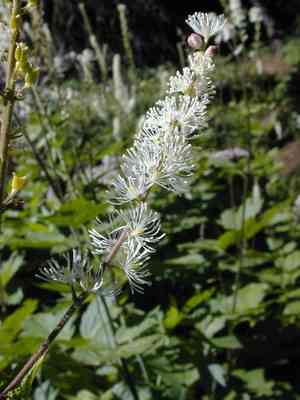
For optimal establishment of tall bugbane, relocate it when spring's embrace revitalizes the garden, generally signifying early to mid-spring. Select a shaded location featuring damp, fertile earth. Careful manipulation of the root system during this procedure fosters robust development.
Essential Preparations Before Moving Tall Bugbane
Optimal Period for Relocating Tall Bugbane?
Choose the revitalizing period of early to mid-spring for transplanting tall bugbane, when new growth is ready to emerge. Moving tall bugbane during this time leverages spring's energy, allowing roots to firmly establish in the warming earth. This timing also provides the entire growing season for tall bugbane to adapt, leading to a lush, robust display. Trust in spring's influence for it works wonders, ensuring tall bugbane flourishes with seasonal harmony.
Required Spacing Between Tall Bugbane Plants?
Hello, gardener! Ensure your tall bugbane has ample room to thrive. Aim for a separation of approximately 18-24 inches (45-60 cm) between plants. This provides each specimen sufficient area to grow tall and strong without competing for nutrients or light.
Ideal Soil Blend for Tall Bugbane Transplantation?
For your tall bugbane, you'll want to prepare a comfortable bed with well-drained soil that's abundant in organic material. A suitable initial mix could be loamy soil. Remember to incorporate a balanced, slow-release fertilizer to give your tall bugbane a healthy start!
Where to Replant Your Tall Bugbane?
Your tall bugbane prefers a location where it can enjoy partial shade, especially to avoid the intense afternoon sun. Some morning light is beneficial, but excessive direct sunlight might be too harsh. So find a sheltered spot that receives just the right amount of sun!
Equipment Needed Before Transplanting Tall Bugbane
Gardening Gloves
To safeguard your hands while handling soil and plants.
Spade or Shovel
For excavating the tall bugbane plant and preparing the new planting site.
Garden Fork
To gently loosen the soil around the plant's root ball without causing significant damage.
Wheelbarrow or Tarp
To transport the dug-up plant to its new position.
Watering Can or Hose
To hydrate the tall bugbane plant before and after its relocation.
Pruning Shears
To remove any dead or damaged plant parts if necessary.
How to Extract Tall Bugbane from the Ground?
How to Extract Tall Bugbane from the Ground?
From Ground: First, water the tall bugbane plant to moisten the soil, facilitating easier removal. Next, using a spade or shovel, dig a wide trench around the tall bugbane plant, being careful not to harm the root ball. Gently work the tool beneath the root ball to lift the plant from the ground.From Pot: Water the tall bugbane first, then lightly tap the pot's sides to loosen the soil. Tilt the pot sideways and carefully slide the plant out, supporting the root ball with your other hand to prevent it from breaking apart.From Seedling Tray: Thoroughly water the tall bugbane seedlings. Use a fork or small implement to carefully lift each seedling from its compartment, ensuring the root ball and as much surrounding soil as possible remain intact.
Detailed Steps for Transplanting Tall Bugbane
Prepare the New Location
Dig a hole in the chosen spot that is twice the width of the tall bugbane plant's root ball and at the same depth as its previous growing position.
Remove the Plant
Follow the removal instructions to safely extract the tall bugbane plant from its current site, ensuring minimal disruption to its root system.
Immediate Relocation
Promptly move the tall bugbane plant to the new hole to reduce stress. Position it centrally and upright.
Backfill the Hole
Refill the hole with soil, gently firming it around the root ball to eliminate air pockets. Ensure the plant sits at the same soil level as before.
Thorough Watering
Water the tall bugbane plant generously after transplanting to help settle the soil and hydrate its roots.
Provide Support
If the plant is tall or top-heavy, carefully stake it to offer support until its roots establish and can sustain the plant independently.
Post-Transplantation Care for Tall Bugbane
Initial Watering
Water the tall bugbane plant deeply immediately after transplanting to settle the soil and provide essential moisture for its roots.
Staking Support Monitoring
Regularly check the stakes to ensure they are secure and not harming the tall bugbane plant as it establishes itself.
Consistent Watering Schedule
Maintain a steady watering routine to keep the soil uniformly moist, especially during the first growing season following transplantation.
Mulching Application
Apply a layer of organic mulch around the base of the tall bugbane plant to help retain soil moisture and regulate soil temperature.
Plant Observation
Periodically inspect the tall bugbane plant for indications of stress, such as wilting or discolored leaves, and take corrective measures if necessary.
Resolving Common Issues with Tall Bugbane Transplantation.
When is the optimal time to transplant tall bugbane?
The best period to transplant tall bugbane is when temperatures begin to rise, from early to mid-spring.
What spacing is recommended for tall bugbane during transplanting?
Ensure each tall bugbane has ample room to thrive by spacing them 18-24 inches (45-60 cm) apart.
Why is my transplanted tall bugbane showing signs of wilting?
Wilting post-transplant could be due to shock. Keep the soil consistently moist and provide shade for the initial days after relocation.
How deep should the tall bugbane root ball be planted?
The root ball should be positioned so its top is level with the surrounding soil surface.
What light conditions does transplanted tall bugbane require?
Tall bugbane flourishes best in partial shade, avoiding direct, intense sunlight.
How much water should I give tall bugbane after transplanting?
Water tall bugbane generously right after transplanting, then maintain regular watering to keep the soil moist.
Should I fertilize tall bugbane immediately after transplanting?
Refrain from immediate fertilization. Wait until tall bugbane is established, then use a balanced fertilizer according to product guidelines.
Is it advisable to transplant tall bugbane while it's flowering?
It's recommended to transplant tall bugbane when it is not in bloom to prevent additional stress on the plant.
What soil type is ideal for transplanting tall bugbane?
Tall bugbane thrives in well-draining, fertile soil rich in organic matter.
Why are the leaves of my transplanted tall bugbane turning yellow?
Yellowing leaves might indicate overwatering, poor drainage, or a nutrient deficiency. Assess soil conditions and adjust care as needed.



