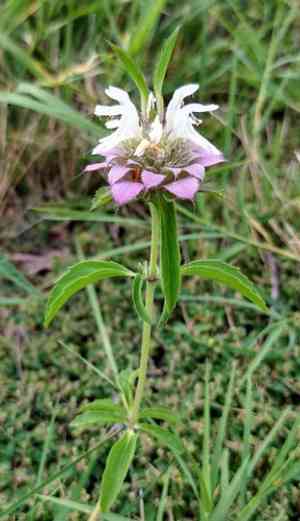
Lemon beebalm (Monarda citriodora)
Also known as: Lemon mint, Lemon bergamot
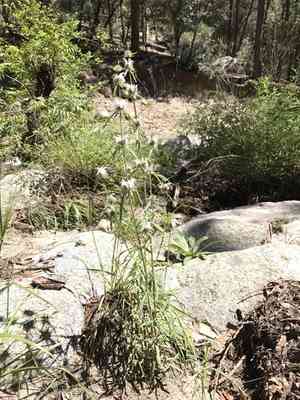
Lemon beebalm (Monarda citriodora) is a winter annual reaching heights of 30 to 61 cm. Known for its distinctive tuft-like flower heads, it boasts blossoms in shades of lavender to pink. Blooming from spring to summer, it attracts butterflies and bees, and with regular watering, it can continue to flower into late summer. This plant thrives in full sun or partial shade and spreads rapidly.
In This Article
Attributes of Lemon beebalm
Lifespan
Perennial, Annual, Biennial
Plant Type
Herb
Plant Height
90 cm
Spread
60 cm
Leaf Color
Green
Flower Size
1.3 cm to 1.9 cm
Flower Color
Pink Purple White Lavender
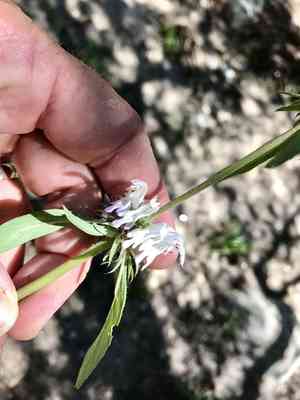
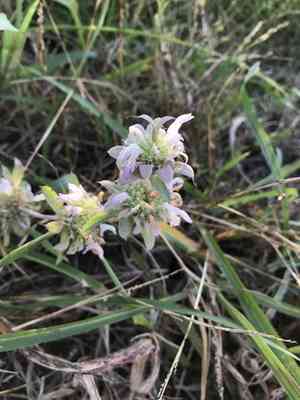
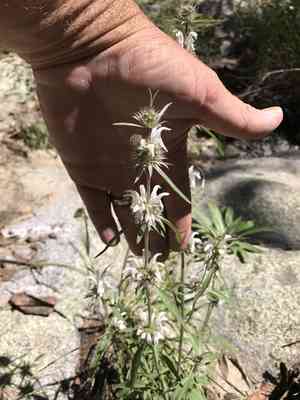
Images of Lemon beebalm
Quickly Identify Lemon beebalm
1
Tubular flowers in shades of pink, lavender, or white with leafy bract whorls.
2
Erect stems 2-3 feet (60-90 cm) tall with narrow oblong leaves and citrus fragrance.
3
Tubular 2-lipped flowers in clusters, 3/4 inch (1.9 cm) long, with purple to green bracts.
4
Dry schizocarp fruit splitting into four nutlets, small (1.5-3 mm), brown to tan.
5
Lanceolate leaves measuring 2-3 inches (5-8 cm) with toothed margins, angled base.
Scientific Classification of Lemon beebalm
Phylum
Vascular plants
Class
Dicotyledons
Order
Lamiales
Family
Mint
Genus
Bergamot
Species
Lemon beebalm
Planting and Growing of Lemon beebalm
Care Difficulty
Easy
Watering Schedule
Every 2 days
Sunlight Requirements
Full sun
Sunshine Duration
6-10 hours
Ideal Temperature
70-85℉
Soil Type
Potting Mix, Peat Mix
Soil pH
6.5-7.5
Fertilizer Type
Balanced
Pruning Season
Spring, Summer
Pruning Area
Branches, Leaves
Pruning Frequency
2 times a year
Repotting Season
Spring
Pot Type
Plastic, Ceramic
 How to Water Lemon beebalm?
When watering Monarda citriodora, aim to provide about 250 ml of water per session. The goal is to keep the soil consistently moist but never soggy. This plant thrives in well-drained soil, so water until you see a slight excess seeping from the drainage holes.
What are the symptoms of an underwatered Lemon beebalm?
›
What should I do if my Lemon beebalm is not getting enough water?
›
What are the symptoms of an overwatered Lemon beebalm?
›
How to save an overwatered Lemon beebalm?
›
 What Are the Sunlight Requirements for Lemon beebalm?
Monarda citriodora thrives best in environments that provide full sun to partial sun for optimal growth. Proper light enhances photosynthesis, helping the plant maintain its health and produce abundant, aromatic flowers.
More About Sunlight Requirements Techniques→
How much sunlight does Monarda citriodora need?
›
How can I provide ideal lighting for Monarda citriodora indoors?
›
What are the benefits of ideal light exposure for Monarda citriodora?
›
 What Is the Ideal Temperature Range for Lemon beebalm?
Monarda citriodora thrives in temperatures ranging from 70°F to 85°F. This temperature range ensures optimal growth and flowering. Maintaining this temperature range allows the plant to properly metabolize nutrients and grow robust foliage.
 What Soil is Best for Lemon beebalm?
Monarda citriodora thrives in well-drained soil, which prevents waterlogging and root rot. This condition is vital for the plant's health as it allows for proper air circulation and nutrient uptake. While somewhat tolerant of poorer soils, Monarda citriodora benefits from moderately fertile soil. This ensures the plant receives adequate nutrients for vibrant growth and flowering. Monarda citriodora prefers soil with a pH between 6.5 to 7.5, which allows optimal nutrient availability and microbial activity, promoting healthy plant growth.
 How to Fertilize Lemon beebalm?
Monarda citriodora, commonly known as lemon beebalm, benefits from a balanced nutrient supply. Use a water-soluble fertilizer diluted to half strength to avoid nutrient burns. Applying about 1 tablespoon per gallon of water should suffice during the growing season.
 How to Prune Lemon beebalm?
Begin by removing spent blooms to prevent the plant from wasting energy on seed production. Snip just above a set of leaves to encourage branching. During mid-summer, prune back one-third of the plant to promote denser growth and extended blooming into the late season. In autumn, cut down dead stems to the base. This will tidy up the plant for winter and reduce potential pest habitats.
More About Pruning Techniques→
 How to Propagate Lemon beebalm plant?
1
Choose vibrant and disease-free stems that are mature but not too woody. The ideal cutting should be around 4-6 inches long and include at least two nodes for successful rooting.
2
Use a mixture of peat moss and perlite to create a well-draining planting medium. This combination provides both moisture retention and aeration, which are crucial for root development.
3
When propagating by seeds, sow them on the surface of the prepared potting mix. Gently press them without covering, as light aids in their germination process. Maintain consistent moisture levels until germination occurs.
 How to Repot Lemon beebalm plant?
1
Look for signs like roots growing out of the drainage holes, visible root circling at the soil surface, or poor water retention. These indicate it's time to repot your Monarda citriodora, ideally during its active growing season.
2
Select a pot that is one size larger than the current one, ensuring it has good drainage holes. A slightly larger pot allows room for growth without overwhelming the roots, which helps the plant establish itself more efficiently.
3
Opt for well-draining potting soil enriched with organic matter. This type of soil prevents waterlogging while providing the nutrients necessary for the plant's healthy growth, improving both air flow and moisture retention.



