Enhancing Your Garden Design with the Lemon beebalm Plant: A Landscaping Guide
1
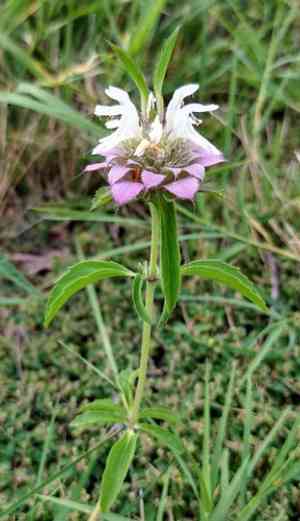
Lemon beebalm enhances any garden with its lively appearance and citrus fragrance.
2
Lemon beebalm flourishes in bright locations but can endure partial shade.
3
Growing Lemon beebalm alongside other plants can improve your garden's vitality and development.
Introducing Lemon Beebalm for Garden Design
Visual Characteristics of Lemon Beebalm
Lemon beebalm enhances any garden with its striking purple to pink blossoms, typically appearing from late spring through summer. Its distinctive, whorled flower clusters attract pollinators like bees and butterflies, making it both aesthetically pleasing and ecologically beneficial. Beyond its captivating flowers, Lemon beebalm features aromatic, lemon-scented foliage, adding another sensory layer to your garden experience.
Why Select Lemon Beebalm for Your Garden?
Choosing Lemon beebalm for your garden offers numerous advantages. Firstly, it requires minimal upkeep and tolerates drought, making it suitable for gardeners of all skill levels. Additionally, its ability to draw in pollinators contributes to the overall health and productivity of your garden. The fragrant leaves can also be utilized in teas and as culinary herbs, adding further versatility to this already adaptable plant.
Optimal Planting Sites for Lemon Beebalm
Best Garden Areas for Lemon Beebalm
Lemon beebalm thrives best in well-drained soil and can adapt to various soil types, including sandy and clay. Ideal spots include sunny borders, rock gardens, and herb gardens. It can also be effectively grown in containers if space is limited. Ensure adequate spacing around each plant to promote good air circulation.
Sunlight and Shade Considerations
While Lemon beebalm prefers full sun to partial shade, it can still grow reasonably well in light shade. However, for optimal blooms and growth, position it in an area receiving at least six hours of direct sunlight daily. In particularly hot climates, some afternoon shade can help the plant avoid excessive heat stress.
Companion Plants for Lemon Beebalm
Ideal Companions for Lemon Beebalm and Their Benefits
Lemon beebalm pairs well with various other plants, such as echinacea, black-eyed Susans, and lavender. These plants not only share similar growing conditions but also complement Lemon beebalm's colors and textures, creating a harmonious and vibrant landscape. Herbs like basil and thyme can also serve as good companions, enhancing the garden's aromatic appeal.
How Companion Planting Boosts Lemon Beebalm's Growth
Companion planting can significantly benefit Lemon beebalm by attracting helpful insects and pollinators, which can improve its health and yield. Furthermore, certain companion plants can enhance soil quality or act as a natural pest deterrent, simplifying garden maintenance. For instance, planting lavender or thyme nearby can help repel pests that might otherwise harm Lemon beebalm.
Landscape Design Concepts Featuring Lemon Beebalm
Creating Color Contrast with Lemon Beebalm
One of the most exciting ways to incorporate Lemon beebalm into your garden landscape is to create vivid color contrasts. The rich purples and pinks of Lemon beebalm stand out beautifully against the greens and silvers of foliage plants like hostas and silver mound. Combining Lemon beebalm with bright yellow or orange flowers can also produce eye-catching floral displays that are sure to impress.
Structural Landscaping with Lemon Beebalm
Lemon beebalm can be utilized in various structural landscaping applications. It works well in layered garden beds, adding height and texture to the overall design. You can also plant it along pathways or around garden features like fountains and statues to create focal points. The plant's unique flower formations add architectural interest, making it a versatile choice for both modern and traditional garden designs.
Seasonal Planning Around Lemon Beebalm's Life Cycle
Planning your garden around Lemon beebalm's life cycle ensures you can enjoy its beauty year-round. In spring, focus on planting and establishing new Lemon beebalm plants. Summer is the peak blooming season, so consider arranging garden tours or outdoor gatherings to showcase the flowers. As autumn approaches, integrate late-season bloomers to keep your garden vibrant even as Lemon beebalm begins to fade. Finally, winter is for maintenance and planning for the next growing season.
Maintenance Advice for Lemon Beebalm in Landscaped Settings
Basic Upkeep and Grooming of Lemon Beebalm
Maintaining Lemon beebalm is relatively straightforward. Regular watering during dry periods and occasional deadheading to encourage more blooms are typically all that's needed. Mulching helps retain soil moisture and suppress weeds, while periodic pruning can maintain the plant's shape and promote new growth. Due to its resilience, Lemon beebalm usually doesn't require heavy fertilization, but a light feeding in spring can boost its vigor.
Preparing Lemon Beebalm for Seasonal Changes
Preparing Lemon beebalm for the changing seasons involves a few key steps. In the fall, cut back the plant to about 6 inches above the ground to prepare it for winter. Adding a layer of mulch can help protect the roots from frost. In early spring, remove the mulch and prune any dead or damaged stems to encourage healthy new growth. Regularly check for pests and diseases, especially as the weather warms, to keep your plants in optimal condition.



