How to Prune Lemon beebalm?
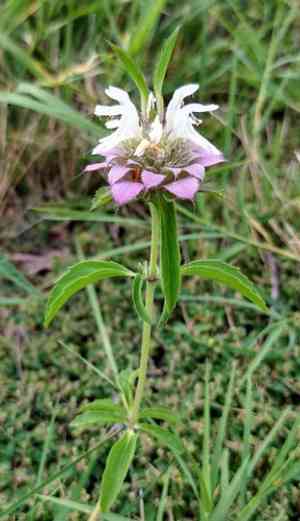
This aromatic, striking perennial draws in bees and butterflies with its tubular blossoms. For lemon beebalm, remove withered stalks in early spring to stimulate fresh development. Snip off faded blooms in late summer to encourage a subsequent flowering and manage self-propagation. Reducing the plant by one-third following the initial bloom can boost its vitality and aesthetic appeal. Trimming also aids in preventing powdery mildew by enhancing air movement. Strategic pruning optimizes the plant's decorative worth and well-being.
What Are the Benefits of Pruning Lemon Beebalm?
What Are the Benefits of Pruning Lemon Beebalm?
Trimming lemon beebalm is crucial for promoting robust development and maintaining its desired form. Eliminating old or overgrown stalks enhances vigor and ensures a tidy, appealing appearance, optimizing the plant's health and visual appeal.
What Is the Best Time for Pruning Lemon Beebalm?
What Is the Best Time for Pruning Lemon Beebalm?
Trimming lemon beebalm in early spring is advantageous as it prepares the plant for a strong growth period by removing any dead or damaged stems, which could hinder new development. This timing allows gardeners to shape the plant and encourage a bushier and more floriferous habit. Additionally, early spring pruning minimizes the chance of cutting off new shoots that will bear flowers. Late summer pruning, performed after lemon beebalm has completed its bloom cycle, ensures that the gardener does not accidentally remove the current season's flowers, which are essential for pollinators. This late pruning helps maintain the plant's shape, control its size, and prevent seeding, if desired. It is also a good time to deadhead or remove spent blooms to promote a potential second bloom and reduce the risk of disease. Moreover, pruning during these seasons aligns with the plant's natural dormancy and reduced stress periods, thereby promoting optimal health and vigorous growth in the subsequent season.
What Tools Do I Need to Prune Lemon Beebalm?
Hand Pruners
Lemon beebalm stays relatively small and manageable. Hand pruners are ideal for precise cuts and shaping, allowing gardeners to remove spent flowers and shape the plant without unnecessary stem damage.
Shears
To cut back lemon beebalm for winter preparation or to encourage a second bloom in the same season, shear the plant to a few inches above the ground. This tool is perfect for handling the soft stems of lemon beebalm and ensuring an even cut.
Pruning Snips
If deadheading or selectively trimming lemon beebalm to maintain aesthetics or promote growth, pruning snips are excellent for making clean cuts to delicate flower stems without disturbing the rest of the plant.
Gloves
While lemon beebalm typically lacks thorns, wearing gardening gloves can offer protection from any potential skin irritants on the plant's foliage or stems and allow for safer handling during pruning tasks.
How to Prune Lemon Beebalm
Step1: Identifying Pruning Targets
Pinpoint the sections of lemon beebalm that need trimming – primarily dead stems, damaged stems, and old flowers.
Step2: Preparing Pruning Tools
Ensure your pruning shears are clean and sharp to make precise cuts without harming lemon beebalm.
Step3: Removing Dead Stems
Begin by eliminating any dead stems. Cut these stems back to the plant's base, making a 45-degree angle cut just above a leaf node.
Step4: Trimming Damaged Stems
Next, trim any damaged stems. Cut these back to a healthy section, ideally just above a set of leaves or a node showing signs of new growth.
Step5: Deadheading Spent Flowers
Remove old flowers to encourage further blooming and prevent lemon beebalm from self-seeding if not desired. Cut spent flowers just above the first set of healthy leaves beneath the flower head.
Step6: Shaping and Size Maintenance
If the goal is to shape lemon beebalm for aesthetic reasons or to maintain a specific size, cut the stems to the desired length, again just above a leaf node to promote bushy growth.
Step7: Post-Pruning Cleanup
After pruning, clean the shears to prevent disease spread and dispose of all cuttings to keep the growing area tidy.
Step8: Post-Pruning Plant Care
Water lemon beebalm after pruning to reduce plant stress and apply a thin layer of mulch to retain moisture and suppress weeds.
Step9: Growth Monitoring and Maintenance
Observe the plant for new growth and additional pruning needs. Repeat the pruning process as necessary, especially after lemon beebalm has completed a bloom cycle.
Post-Pruning Care for Lemon Beebalm
Post-Pruning Care for Lemon Beebalm
Immediately after trimming lemon beebalm, water thoroughly to alleviate shock. Position it in a well-lit area, avoiding direct, intense sunlight. Maintain consistent humidity and a temperature range of 60-70°F to aid recovery. Fertilize with a balanced, slow-release formula to replenish nutrients. Regularly inspect lemon beebalm for unusual wilting or discoloration, which are signs of stress or infection. If detected, isolate the plant and adjust care, or consult a horticulturist. Proper monitoring and environmental management will support lemon beebalm's robust recovery and growth.
Common Pruning Mistakes with Lemon Beebalm
Avoid Over-Pruning to Prevent Stress
Excessive pruning can stress lemon beebalm and impede its ability to thrive, potentially diminishing its vibrant blooms and fragrant foliage.
Don't Cut Into Woody Base to Protect Plant
Refrain from cutting into the woody base of lemon beebalm as this can harm the plant; always trim the softer, green growth.
Remove Dead or Diseased Stems to Avoid Infestations
Failing to remove dead or diseased stems, which can lead to pest infestations and compromise the overall health of lemon beebalm.
Disinfect Pruning Tools to Prevent Disease Spread
Neglecting to sanitize pruning tools before and after use, which can transmit diseases to and from lemon beebalm.
Prune According to Plant's Individual Needs
Trimming without assessing the plant's specific requirements, ignoring the natural shape and growth pattern of lemon beebalm.
Common Pruning Tips for Lemon Beebalm
Deadhead Spent Flowers to Encourage Blooming
Regularly remove spent flowers from lemon beebalm to promote continuous blooming and prevent self-seeding if not desired.
Trim After Flowering for Second Bloom and Shape
After flowering, cut back about one-third of lemon beebalm's height to encourage a second bloom and maintain a compact form.
Sterilize Tools to Keep Pathogens Away
Sanitize your pruning tools with isopropyl alcohol or a 10% bleach solution to ensure you donât transfer pathogens to lemon beebalm.
Prune Above Leaves or Branches for Healthy Growth
Cut back lemon beebalm to just above a set of leaves or a branching point to stimulate growth without harming the plant's structure.
Thin Out Crowded Stems to Improve Air Circulation
Thin out congested areas by removing some stems at their base to enhance air circulation and reduce the likelihood of fungal diseases in lemon beebalm.



