How to Propagate Lemon beebalm?
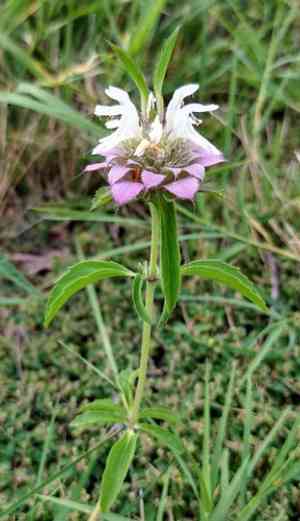
Lemon beebalm flourishes when reproduced in Spring via seeding. Its propagation presents a moderate challenge. Successful outcomes are indicated by sprouting within 10-14 days. Provide porous soil and steady hydration for peak performance.
Optimal Time for Lemon Beebalm Propagation
Propagation Method
Seeding
Propagation Period
Spring
Essential Tools for Lemon Beebalm Propagation
Seed trays or flats
These containers aid in planting lemon beebalm seeds within a controlled setting. Their individual compartments help manage seedlings separately, minimizing root disturbance during transplantation. This is particularly useful for lemon beebalm, which can be delicate in its early growth stages.
Soilless potting mix
A sterile, pathogen-free soilless potting mix ensures robust seed germination for lemon beebalm. It offers an ideal balance of moisture retention and aeration crucial for the delicate root system of lemon beebalm.
Fine vermiculite
Vermiculite serves as a top layer over lemon beebalm seeds to maintain adequate moisture levels necessary for germination without compacting the soil, fostering vigorous initial growth.
Watering can with a fine rose
To gently water lemon beebalm seeds without dislodging them, a watering can equipped with a fine rose attachment distributes water evenly, simulating soft rainfall.
Labels and markers
These are vital for identifying lemon beebalm seedlings and tracking their propagation phases, which assists in providing appropriate care.
Heating mat
A heating mat provides consistent warmth from below, encouraging efficient germination of lemon beebalm seeds by maintaining an optimal soil temperature, especially in cooler climates.
Grow lights
In situations with insufficient natural light, grow lights support the growth and development of lemon beebalm seedlings by supplying the necessary light spectrum.
Humidity dome
It maintains elevated humidity levels around lemon beebalm seedlings, promoting healthy growth and preventing desiccation. This is especially beneficial for lemon beebalm, which thrives in a humid environment during germination.
How to Propagate Lemon Beebalm?
Propagation Method
Seeding
Difficulty Level
Easy
Caring for Your Newly Propagated Lemon Beebalm
Caring for Your Newly Propagated Lemon Beebalm
Post-propagation, ensure lemon beebalm is situated in an area receiving full sun to partial shade. Maintain consistent watering, particularly during dry spells, but allow the soil to dry out between waterings to prevent root rot. Lightly fertilize with a balanced, slow-release fertilizer to encourage growth. Remove spent flowers to promote further blooming. Monitor for pests like powdery mildew and treat as needed. Apply mulch around the plants to retain moisture and suppress weeds.
Common Errors to Avoid When Propagating Lemon Beebalm
Excessive watering during rooting
Providing lemon beebalm with too much water can lead to root rot, a fungal condition that can kill young plants. Overwatering also depletes oxygen in the soil, which is crucial for root development.
Using weak stems for cuttings
Taking cuttings from unhealthy or weak stems may result in poor or unsuccessful rooting, as these stems lack the vitality needed to establish new growth.
Neglecting humidity requirements
Lemon beebalm cuttings need a humid environment to prevent them from drying out before they root, which can lead to propagation failure.
Planting seeds too deep
Lemon beebalm seeds sown too deeply might not germinate due to insufficient light and air, or could rot before emerging.
Advice for Propagating Lemon Beebalm
Utilize healthy parent plants
Select the most robust lemon beebalm specimens as sources for cuttings or seeds, ensuring a higher genetic likelihood for successful propagation.
Apply rooting hormone
Using rooting hormone on lemon beebalm cuttings can accelerate root development and increase the success rate of propagation.
Create a humidity dome
Cover lemon beebalm cuttings with a plastic bag or humidity dome to retain moisture and create a microenvironment with elevated humidity, mimicking greenhouse conditions that foster rooting.
Provide indirect light
Position lemon beebalm seeds and cuttings in indirect light to encourage germination and rooting without exposing them to the stress of direct sunlight.



