How to Overwinter Lemon beebalm
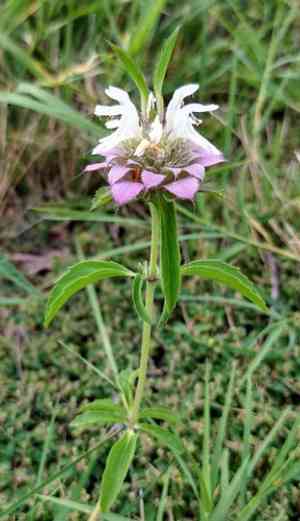
1
Lemon beebalm tolerates cold and can endure temperatures down to -10°C (14°F).
2
Adequate mulching aids in shielding Lemon beebalm roots from freezing conditions.
3
Lemon beebalm kept indoors over winter needs a minimum of six hours of sun each day.
Assessing Lemon beebalm's Cold Tolerance
Assessing Lemon beebalm's Cold Tolerance
Lemon beebalm (Monarda citriodora), recognized for its pleasant citrus aroma and vibrant blooms, is a perennial that withstands cold. This implies it can endure low temperatures, but proper maintenance is vital for its continued vigor each year. Understanding its cold hardiness is the initial step in preparing it for winter. Typically, Lemon beebalm can survive temperatures down to -10°C (14°F), making it suitable for many temperate zones. However, even cold-tolerant plants require some extra attention to prevent damage from severe cold spells and frost heaving.
Winterizing Lemon beebalm
When to Begin Winter Preparations
It's essential to start preparing your Lemon beebalm before the first frost arrives. Generally, late autumn (October to November) is an optimal period. Monitor weather forecasts closely and ensure you commence preparations a few weeks prior to the average first frost date in your region. Early initiation helps the plant adapt to cooler temperatures and minimizes the risk of shock when frost occurs.
Necessary Tools and Supplies
Preparation necessitates a few key tools and materials: Mulch (e.g., straw, bark chips) Pruning shears A garden hose or watering can A plastic cover or cloche for extra protection Plant pots and well-draining soil (for indoor overwintering)
Steps to Safeguard Lemon beebalm During Winter
Mulching Techniques
Mulching is a crucial step in safeguarding Lemon beebalm during winter. Apply a thick layer of mulch (5-10 cm or 2-4 inches) around the plant's base. Mulch acts as an insulator, helping to regulate soil temperature and moisture levels. It also shields the roots from freezing and lessens the risk of frost heaving, where plants are pushed out of the ground due to repeated freezing and thawing cycles.
Watering Advice
As temperatures decrease, reduce the watering frequency for your Lemon beebalm. Excessive watering can lead to root rot, especially when the soil doesn't drain well due to cold temperatures. Ensure the soil remains slightly damp, but not saturated. Watering should be minimal and only performed when the soil feels dry to the touch.
Pruning Guidelines
Prune your Lemon beebalm in late fall to prepare it for winter. Cut back any dead or diseased stems and remove spent flowers. Trimming the plant back to approximately one-third of its height can help reduce stress and prevent wind damage during winter storms. Pruning also encourages healthier growth in the subsequent spring.
Indoor Winter Protection Methods
When to Bring Lemon beebalm Indoors
In areas with extremely harsh winters, consider relocating Lemon beebalm indoors. The ideal time to do this is before the first frost. If you observe night temperatures consistently falling below 4°C (40°F), it's time to move the plant inside to shield it from freezing.
Optimal Indoor Conditions
Lemon beebalm requires a cool, well-lit environment to thrive indoors during winter. Select a spot that receives at least six hours of sunlight daily. South-facing windows or rooms with grow lights are perfect. Maintain indoor temperatures between 10°C and 15°C (50°F and 59°F). Ensure good air circulation to prevent mold and mildew.
Potting Instructions
When moving Lemon beebalm indoors, re-pot it into a container with well-draining soil. Choose a pot that is slightly larger than the root ball. Fill the pot with a mixture of regular potting soil and perlite or sand to enhance drainage. Water sparingly after transplanting to avoid waterlogging the roots.
Common Winter Care Errors to Avoid
Excessive Watering
One of the most frequent errors is overwatering. In winter, plants need less water due to reduced growth rates and lower evaporation. Always check the soil moisture before watering and decrease frequency to prevent root rot.
Insufficient Insulation
Failing to provide adequate insulation can harm Lemon beebalm. Ensure a thick layer of mulch around the base and consider using additional covers like cloches for young or newly transplanted plants. Proper insulation helps protect against sudden temperature drops and frost heaves.



