How to Transplant Lemon beebalm?
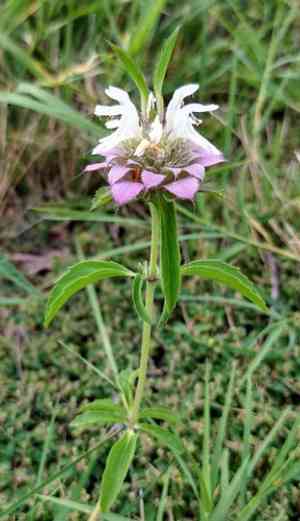
Relocate your lemon beebalm preferably in mid-spring, an excellent period for root establishment. Select a site featuring permeable soil, ample to moderate sunlight, and ensure sufficient distance between plants. Don't forget to irrigate regularly after transplanting for optimal outcomes and an attractive garden.
Essential Preparations Before Relocating Lemon Beebalm
Optimal Period for Transplanting Lemon Beebalm
Move lemon beebalm during mid to late spring, considered the prime time for relocation. This timeframe promotes vigorous development by utilizing mild weather. Transplanting within this window enhances lemon beebalm's chances of flourishing, aligning with its natural growth cycle, boosting its resilience and vitality.
Recommended Spacing Between Lemon Beebalm Plants
To provide adequate room for your lemon beebalm to expand, position them 12-18 inches (30-45 cm) apart when transplanting. This spacing allows for ample development and proper air circulation.
Ideal Soil Mixture for Lemon Beebalm Transplantation
For lemon beebalm, amend the soil by incorporating well-decomposed compost or aged manure. This plant thrives in fertile, well-draining soil with a pH between 6.0-7.0. Include a balanced fertilizer to support growth and blooming.
Selecting a New Location for Your Lemon Beebalm
Choose a sunny spot for your lemon beebalm, as it prefers full sun exposure. Ensure the site receives at least 6 hours of direct sunlight daily to encourage healthy growth and abundant flowers.
Tools Required Before Transplanting Lemon Beebalm
Trowel
This tool will be necessary to excavate the hole for placing your lemon beebalm plant. Its compact size allows for precise control over digging depth and location.
Gardening Gloves
To safeguard your hands while handling soil and plants, it is crucial to wear durable gardening gloves.
Watering Can
Hydrating the plant both before and after transplanting aids in its smooth transition and ensures proper moisture levels.
Pruning Shears
These will be essential if any roots are entangled or if diseased sections require removal.
Compost
Enriches the soil where lemon beebalm will be replanted.
Method for Extracting Lemon Beebalm from the Soil
How to Remove Lemon Beebalm from the Soil
From Ground: Start by watering the lemon beebalm plant to soften the surrounding soil, facilitating easier removal without damage. Using a trowel, gently dig a wide, shallow circle around the plant, ensuring the root ball remains intact. Carefully lift the plant from its spot, preserving as many roots as possible.From a Pot: If the plant is in a container, water it thoroughly and allow a few minutes for excess water to drain. Turn the pot on its side, lightly tap or roll it to loosen the soil, and gently pull the plant out by its base. Be cautious to avoid harming the roots or stems.From Seedling Tray: If the lemon beebalm is a seedling, moisten the soil first, then use a spoon or small utensil to carefully extract the seedling, taking care not to damage the delicate root system.
Step-by-Step Guide for Relocating Lemon Beebalm
Develop a Strategy
Take time to plan the placement of the lemon beebalm, considering its proximity to other plants, as lemon beebalm requires ample space to spread and good air circulation to prevent disease.
Prepare the Planting Hole
Once the location is chosen, use your trowel to dig a hole that is twice as wide and as deep as the plant's root ball. Add some compost to the bottom of the hole to provide nutrients.
Position the Plant
Place your lemon beebalm into the prepared hole. The top of the root ball should be level with or slightly below the soil surface.
Backfill the Hole
Carefully refill the hole, ensuring the plant is stable in the ground and no air pockets remain.
Water Thoroughly
Generously water the lemon beebalm immediately after transplanting. This helps the roots settle and recover from the move.
Post-Transplantation Care for Lemon Beebalm
Watering
Continue to water your lemon beebalm generously in the subsequent weeks to aid in establishing a robust root system, but avoid overwatering.
Feeding
Apply a balanced, water-soluble fertilizer every two weeks during the growing season to encourage healthy development.
Pruning
Remove any dead or diseased parts of the lemon beebalm to maintain its health. This also directs the plant's energy towards new growth.
Mulching
Apply a layer of organic mulch around the plant's base to retain moisture and suppress weed growth. However, keep it away from the stem to prevent fungal issues.
Resolving Common Issues with Lemon Beebalm Transplantation.
When is the ideal period to transplant lemon beebalm?
Transplant lemon beebalm optimally between mid-spring and late spring. This ensures prime growth and development.
Is specific spacing necessary when transplanting lemon beebalm?
Yes, when relocating lemon beebalm, maintain approximately 12-18 inches (30-45 cm) between each plant for best growth.
I've placed my lemon beebalm in too much shade. Is this problematic?
Lemon beebalm absolutely needs ample sunlight to thrive. Avoid deeply shaded areas for a healthy and vibrant plant.
My lemon beebalm plant shows no growth after transplant. What could be wrong?
Ensure the plant's root system is undamaged. If you observe broken or torn roots, it might impede lemon beebalm's growth.
Should I be concerned about soil type when transplanting lemon beebalm?
Lemon beebalm prefers well-drained soil. Heavy soils can lead to root rot, potentially harming the plant.
What is the correct watering regimen for lemon beebalm after transplant?
Initially, water the lemon beebalm deeply. Once established, it can tolerate dry spells, but ensure consistent watering for optimal results.
Are there specific temperature requirements for transplanting lemon beebalm?
Lemon beebalm grows best in zones 5-10. It enjoys warmth but can endure a broad range of temperatures.
How deep should I dig the hole for transplanting lemon beebalm?
The hole for lemon beebalm should be twice the width of the plant's root ball and nearly the same depth.
Should I fertilize lemon beebalm immediately after transplanting?
Initially, no. Wait at least 4-6 weeks post-transplant before applying a gentle, slow-release fertilizer to encourage healthy growth in lemon beebalm.
Can lemon beebalm be transplanted outdoors into containers?
Absolutely, lemon beebalm can readily be planted in containersâjust ensure they are large enough to accommodate its growth and provide good drainage.



